Chemical-Free Integrated Pest Management: Agricultural Sustainability and Resilience
Preventive, biological, and physical strategies for ecological horticulture, promoting soil health and biodiversity.

Preventive Strategies: Foundations of a Resilient System
The growing concern for sustainability and environmental health is driving a re-evaluation of agricultural and gardening practices. Chemical-free pest control represents a robust and effective alternative, fundamental for preserving ecosystems, soil health, and food security. This holistic approach integrates various strategies aimed at maintaining natural balance, fostering biodiversity, and reducing reliance on synthetic inputs. Implementing these techniques not only minimizes environmental impact but also contributes to the resilience of cropping systems against future challenges, aligning with the principles of regenerative agriculture and permaculture, movements gaining traction worldwide.
An effective defense against pests begins long before their appearance. Prevention is the cornerstone of chemical-free control, based on creating an environment that discourages the establishment and proliferation of unwanted organisms. This involves a deep understanding of plant life cycles and ecological interactions within the garden or farm.
Integrated Soil Management and Plant Nutrition
Soil health is directly proportional to plant vitality and their ability to resist pest and disease attacks. Soil rich in organic matter and diverse microbiology promotes the development of strong roots and robust plant immune systems. Applying quality compost and practicing mulching with organic materials are essential techniques that improve soil structure, regulate moisture, and provide nutrients gradually. Recent studies from institutions worldwide demonstrate how enhancing soil microbial diversity can suppress root pathogens and pests, offering an intrinsic layer of protection to plants.
Species Selection and Crop Rotation
The right choice of plant species is a critical factor. Opting for native or climate-adapted varieties reduces plant stress, making them less susceptible to pests. Crop rotation, an age-old technique involving alternating different types of plants in the same plot over time, disrupts the life cycles of specific soil-borne pests and prevents nutrient depletion. Complementarily, companion planting, such as sowing marigolds alongside tomatoes or basil near peppers, can repel harmful insects or attract pollinators and natural predators, optimizing the garden ecosystem. For instance, rue is known for its ability to repel whiteflies and aphids in certain agricultural regions.
Biological Control and Biopesticides: Nature’s Allies
When preventive measures are insufficient, biological control emerges as a powerful tool. This strategy focuses on using living organisms or their derivatives to control pest populations without introducing synthetic chemicals into the environment.
Introduction of Natural Enemies: Beneficial Insects
Fostering the presence of beneficial insects is crucial. Ladybugs (Coccinellidae), lacewings (Chrysopidae), and hoverflies (Syrphidae) are voracious predators of aphids, mealybugs, and other soft-bodied insects. Planting species that provide them with nectar, pollen, and shelter, such as dill, cilantro, or phacelia, is an effective practice to attract and maintain their populations. Some enterprises now offer the possibility of acquiring larvae of these insects for controlled release in crops, a growing trend in urban and peri-urban agriculture.
Biological Formulations: Examples and Application
Biopesticides are products derived from natural sources (bacteria, fungi, viruses, plants, or minerals) that act as insecticides, fungicides, or herbicides. Neem oil (Azadirachta indica), a plant extract, is widely used for its repellent and antifeedant properties against a vast range of pests. Bacillus thuringiensis (Bt), a bacterium, is effective against lepidopteran larvae (butterflies and moths), while fungi like Beauveria bassiana are used to control insects such as whiteflies and thrips. These products offer specific action, minimizing impact on non-target organisms and the environment. Innovation in this field includes the development of new strains and formulations that improve their stability and efficacy under various climatic conditions, a significant advancement for producers in diverse agricultural zones.
Physical Barriers and Ecological Traps: Direct Protection
Physical barriers and traps offer direct, non-toxic methods to protect crops and monitor pest presence.
Implementation of Nets and Protective Covers
The use of insect-proof nets or fine agrotextiles can create a physical barrier preventing insects from reaching plants. These covers are especially useful for protecting vulnerable crops in early stages or for preventing egg-laying by pests like fruit flies. Their application is common in urban gardens and smallholdings where localized and effective protection is sought. Agrotextile technology has evolved, offering more durable materials with varying degrees of permeability to light and air.
Chromatic Traps and Pheromones: Monitoring and Capture
Sticky traps of specific colors (yellow for whiteflies, aphids; blue for thrips) are excellent tools for monitoring pest presence and, in cases of light infestations, reducing their population. Pheromone traps, on the other hand, use sex attractants to capture males of specific insect species, disrupting their reproductive cycle. The incorporation of IoT (Internet of Things) sensors into these traps represents a notable innovation, enabling remote, real-time monitoring of captures. This facilitates faster and more precise decision-making for growers, a trend expanding from precision agriculture to small-scale farming.
Conclusion: A Sustainable Future for Horticulture
The adoption of chemical-free pest control practices is not merely an option but an imperative for building healthier and more sustainable cropping systems. By integrating preventive strategies, fostering biological control, and employing physical barriers, the resilience of horticultural systems is strengthened, and the environment is protected. This comprehensive approach, enriched by the latest innovations in biotechnology and digital monitoring, empowers growers to cultivate healthy food and promote biodiversity, contributing to a greener, more conscious future. Investing in these practices is an investment in the health of our planet and future generations.
Related Articles
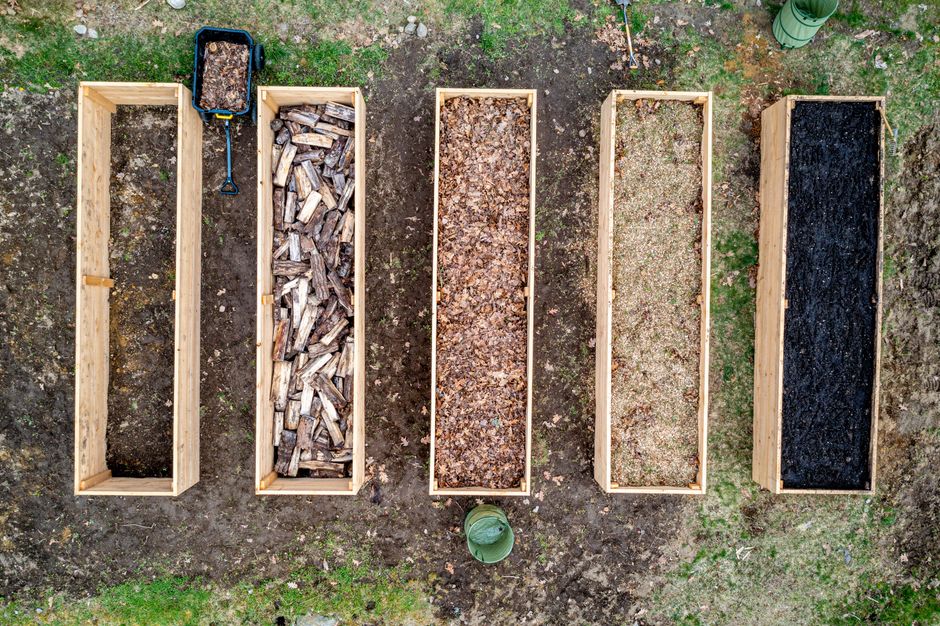
Urban Horticulture: Raised Bed Design, Substrate & Sustainable Management
Optimizing materials, organic substrates, efficient irrigation, and pest control for raised bed horticulture, promoting sustainability.

Ziziphus mistol: Ecology, Cultivation, and Agro-industrial Potential of a Chaco Fruit Tree
Explore the ecology, propagation, agronomic management, and nutritional value of mistol, highlighting its adaptability and potential for agro-industry and sustainability.

Cultivating Murtilla (*Ugni molinae*): Establishment, Agronomic Management, and Agro-industrial Potential
Details the establishment, nutrition and pruning management, harvest, and agro-industrial potential of Murtilla (*Ugni molinae*), highlighting its native value.

Permaculture & Perennials: Design, Management, Diversity for Sustainable Food
Implementing permaculture systems with perennial edible plants: design principles, crop management, regional diversity, and biological control.