When and How to Sow Parsley at Home
A guide to sowing parsley directly in spring or autumn, or using seedlings. Covers ideal light, soil, and watering for home cultivation.

When and How to Sow Parsley at Home
Parsley is a highly popular culinary herb, valued for its freshness and versatility. If you enjoy having fresh ingredients readily available for your meals, growing it at home is an excellent idea. The key question for many is: when is the best time to start planting it?
The answer depends on several factors, but primarily on the climate and whether you will be sowing directly in the ground or using seedlings.
When to Sow Parsley Directly in Pots or Soil
Parsley prefers moderate temperatures. Direct sowing works best when the weather is not extreme. Generally, the optimal times are:
- Spring: Once the risk of hard frosts has passed. Mild temperatures help seeds germinate without issues. Aim for days where the maximum temperature is around 15-25°C (59-77°F).
- Autumn: If you live in an area with mild winters, autumn is also a good time. Seeds can germinate before the intense cold arrives, and the plant will grow through winter if temperatures are benign, preparing for a good harvest in spring.
Avoid sowing parsley during very hot periods (intense summer) or when there’s a risk of hard frosts. Seeds can take time to germinate, sometimes up to 3 weeks, and excessive heat can damage them.
Using Seedlings: A Faster Option
If you want to speed up the process or missed the ideal dates for direct sowing, purchasing seedlings (young, already germinated plants) is a great alternative. You can transplant them into your pots or garden:
- Almost Year-Round: As long as temperatures are moderate and there is no risk of hard frosts, you can transplant seedlings. Spring and autumn remain ideal, but in regions with mild winters, transplanting can even be done in early winter or late summer.
When you buy seedlings, you ensure that the seeds have already germinated and the plant is in a more resilient stage.
Ideal Conditions for Parsley at Home
Regardless of when you sow it, parsley requires:
- Light: It prefers sun, but not the direct, scorching midday sun of summer. A location with morning sun and afternoon shade, or bright indirect light, is perfect. Indoors, a bright window works well.
- Soil: Loose, well-draining substrate is essential. If using pots, ensure they have good drainage. Mixing soil with compost or worm castings will provide the necessary nutrients.
- Watering: Keep the soil moist, but not waterlogged. Water when the top layer of the substrate feels dry to the touch. Avoid waterlogging, which can rot the roots.
In Summary:
To sow parsley, consider spring or autumn, avoiding extremes of heat and cold. If you’re looking for a quicker solution, seedlings allow you to enjoy your homegrown parsley sooner. With a bit of sun, good soil, and appropriate watering, you’ll have this delicious herb ready for use.
Related Articles

Grow Fresh Parsley at Home: Steps and Care Guide
Learn how to choose a sunny spot, prepare well-draining soil, sow or transplant, water correctly, and harvest parsley for your meals.
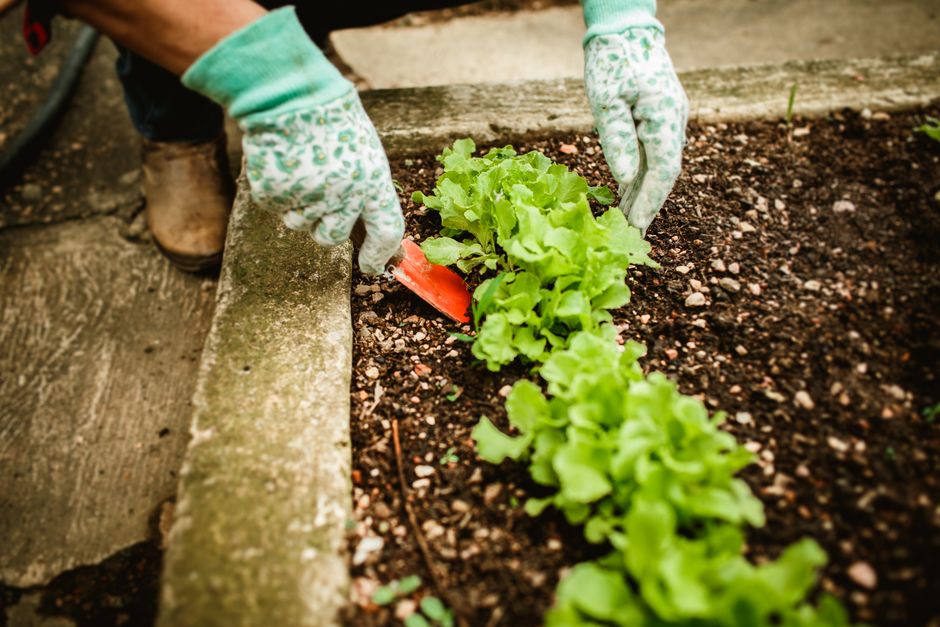
Start Your Home Garden Easily
Select a sunny spot, prepare loose soil, and choose simple crops like lettuce or herbs to successfully start your home garden.
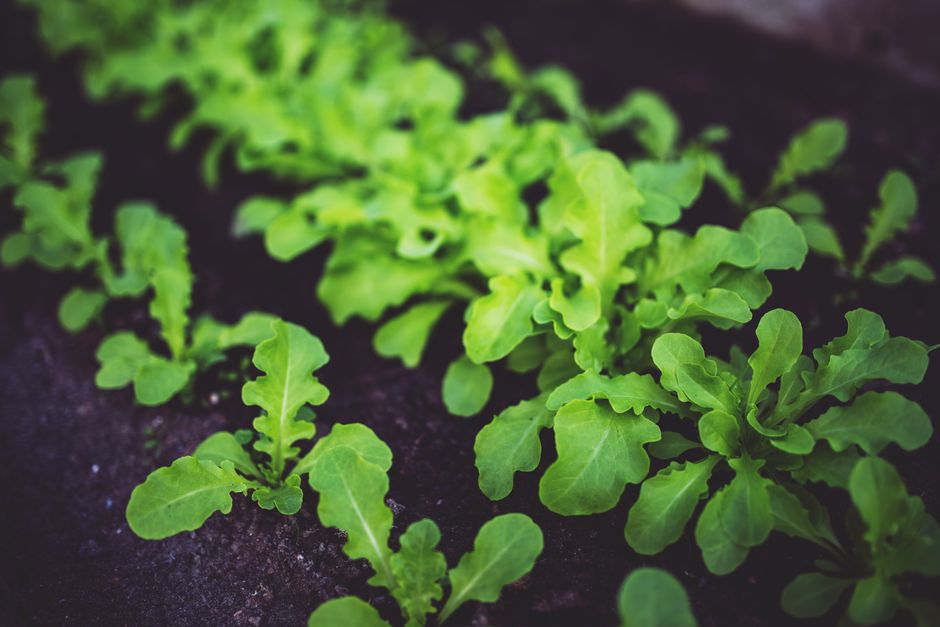
Growing Arugula at Home: Ideal Seasons and Essential Care
Sow arugula in spring or fall, choose loose, sunny soil. Water constantly and harvest tender leaves for a peppery flavor.
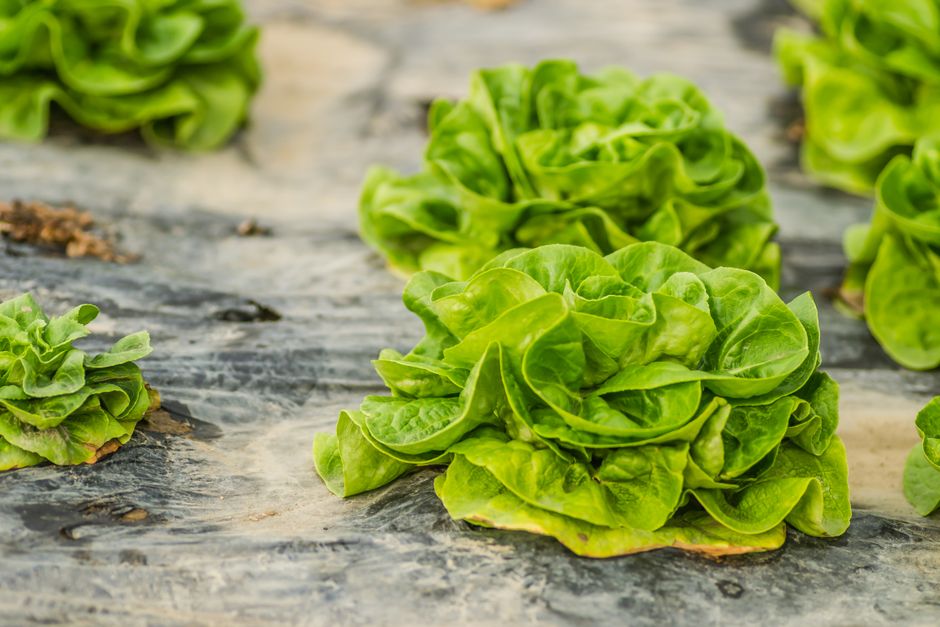
Homegrown Lettuce Cultivation: Basic Steps for Fresh Greens
A guide to growing lettuce at home, covering site selection, soil, planting, watering, and harvesting.