Lettuce Cultivation: Timing, Varieties, and Seasonal Care
Cultivate crisp lettuce year-round: understand seasonal planting, varietal selection, and precise care for superior home garden yields and taste.
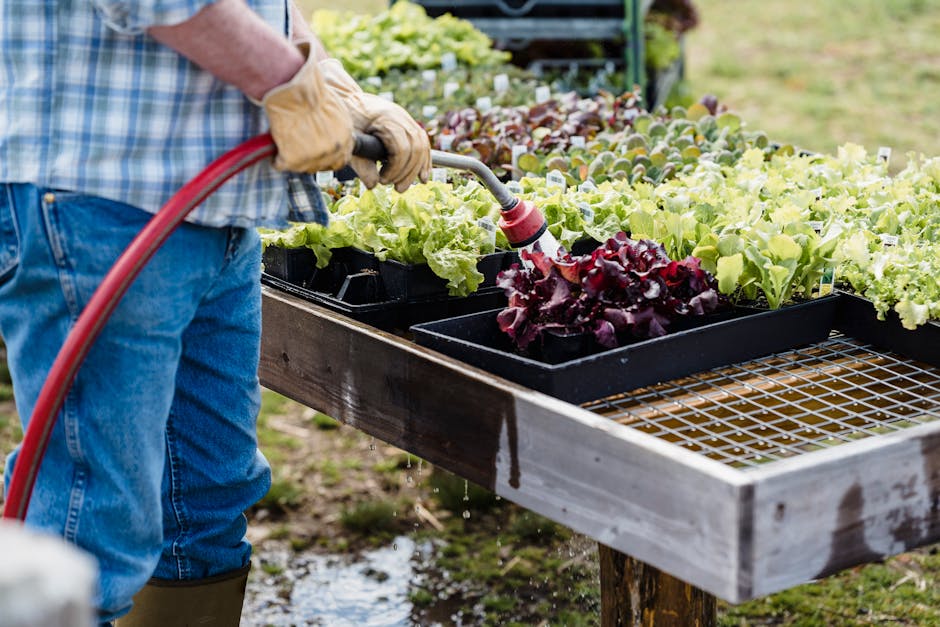
Planting lettuce is one of the most rewarding activities for those starting a home garden. Its relatively short life cycle and the possibility of growing it in small spaces, like pots or containers on a balcony, make it ideal. But when is the right time to sow it and ensure a good harvest? The answer depends heavily on the time of year and, consequently, on the temperature.
Lettuce is a cool-weather plant. This means it prefers moderate temperatures to grow well. Temperatures that are too high can cause the plant to bolt (go to flower and lose its flavor) or the leaves to become bitter. On the other hand, hard frosts can damage young plants.
Therefore, understanding the seasons is key to planning your sowing and having fresh lettuce year-round, or at least during the most favorable periods.
Sowing Lettuce in Spring and Summer
Spring is undoubtedly one of the best times to sow lettuce. As the weather warms up, but before the intense heat of summer arrives, the conditions are almost perfect. You can start sowing as soon as the last hard frosts have passed, typically in late August or early September in many regions of Argentina. If you sow in succession every two to three weeks, you will have continuous harvests well into the summer.
During the summer, sowing becomes a bit more delicate. The heat can be a challenge. To succeed, it’s best to choose lettuce varieties that are more heat-tolerant, such as butterhead or some loose-leaf varieties. You can also sow in locations that receive shade during the hottest hours of the day, such as at the base of taller plants or in a corner of the balcony that gets covered in the afternoon. If the heat is very intense, consider sowing early in the morning or at dusk. Ideal temperatures for lettuce growth are around 15-20°C (59-68°F). When temperatures exceed 25°C (77°F), problems begin.
When to Plant Lettuce in Autumn and Winter
Autumn is another excellent season for lettuce. Temperatures begin to drop, which favors slow but steady growth with plenty of flavor. You can continue sowing lettuce throughout the fall. Light frosts are usually not a problem for already grown lettuce, and they can even enhance its sweetness. Curly leaf or romaine types tend to withstand cold better.
In winter, direct sowing can be slower or even stop if temperatures are very low and frosts are frequent. However, in areas with mild winters, you can continue harvesting lettuce sown in the fall. If you want to ensure you have lettuce during the winter, a good option is to protect the plants with a frost cloth tunnel or grow them in a greenhouse or a well-lit indoor space. Cold-hardy varieties, such as oakleaf or some Batavia types, are good candidates for this period.
Choosing the Right Variety for the Season
Not all lettuces behave the same way in heat or cold. Knowing the varieties will help you succeed at any time:
- For Spring and Summer: Look for varieties like ‘Butterhead’, ‘Lollo Rossa’ (curly leaf), or some ‘Romaine’ types. They are more tolerant of moderate heat and have a fast growth cycle.
- For Autumn and Winter: Loose-leaf varieties, ‘Batavia’, or ‘Romaine’ types also work well. If you are at risk of hard frosts, ‘Arrebol’ or ‘Grand Rapids’ lettuces are good options due to their resistance.
Tips for Sowing Lettuce at Home
Regardless of the season, certain details make a difference:
- Light: Lettuce needs at least 4-6 hours of sunlight per day. In summer, direct midday sun can be too harsh.
- Soil: It prefers a loose substrate, rich in organic matter, and well-draining. A mix of regular soil with compost or worm castings is ideal.
- Sowing: You can sow seeds directly in their final location (pot, container) or in seed trays for later transplanting. The seeds are small, so don’t bury them too deeply; just cover them lightly with soil.
- Watering: Keep the substrate moist but not waterlogged. Water carefully to avoid dislodging seeds or young seedlings.
- Spacing: If you sow several seeds together, once the plants have a couple of leaves, it’s good to thin them out to give space to the strongest ones. This prevents them from competing for light and nutrients.
Planning your lettuce sowing according to the time of year will allow you to enjoy fresh, flavorful leaves continuously. Observe how your plants react to the local climate and adjust your sowing schedule to always have a salad on hand.
Related Articles
Your First Home Garden: Easy Harvests for Beginners
Choose a sunny spot, prepare loose soil, and easily grow lettuce, herbs, or radishes to start your home garden successfully.

Design and Maintenance of Herb Spirals for Home Cultivation
Detailed instructions for creating a herb spiral: site selection, substrate, cultivation, watering, and pruning/harvesting tips.

How to Start a Home Garden From Scratch
Start your home garden by selecting a sunny spot, preparing loose soil, choosing easy crops, and learning basic watering and care.

Growing Arugula at Home: Simple Steps for Fresh Greens
Sow seeds, choose a sunny spot, use light soil, and water moderately to harvest fresh arugula in pots or planters. Manage pests.