Growing Spinach in Small Spaces: Location, Soil, Planting, and Care
A guide to growing spinach at home, covering site selection, soil preparation, cool-weather planting, and general watering and pest management.

Having fresh spinach at home is easier than you might think. You don’t need a large garden; a balcony or even a sunny windowsill can be sufficient to get started.
Where to Place Your Spinach Plants
Spinach prefers sunlight but not the intense midday sun of peak summer. An ideal location receives about 4 to 6 hours of direct sunlight daily. If you live in a region with very hot summers, partial shade during the hottest parts of the day will be beneficial. Consider a window that gets morning sun or a balcony spot protected from the harshest afternoon sun.
Preparing the Soil for Your Spinach
Spinach requires well-draining soil to prevent root rot. If you are using pots, choose a good quality potting mix or prepare your own by blending regular soil with compost or organic matter. If planting directly in the ground, loosen the soil thoroughly and incorporate compost to ensure it is loose and nutritious. The goal is for water not to stagnate, yet for the soil to retain some moisture.
When and How to Sow Spinach
Spinach is a cool-weather crop. The best time to sow seeds is in early spring or late summer/early fall. Avoid sowing during the height of summer, as the plant may become bitter or bolt (flower prematurely). You can sow seeds directly into the soil or pot where they will grow. Create a shallow furrow, place seeds about 5-10 cm apart, cover lightly with soil, and water gently.
Caring for Your Spinach Plants
Once the seeds germinate and the seedlings begin to grow, care is quite straightforward. Keep the soil consistently moist but not waterlogged. Water when the top layer of soil feels dry to the touch. If planted in pots, you will need to water more frequently. Spinach does not require heavy fertilization, but if you notice the leaves appearing pale, you can add some compost or a mild liquid fertilizer.
Be vigilant for pests, such as aphids. If you spot any, you can try dislodging them with a strong spray of water or use insecticidal soap. Spinach grows relatively quickly, so within a few weeks, you can begin harvesting the outer leaves.
Harvesting Your Spinach
To harvest, use scissors to cut the outer leaves or gently pull them from the base. Leave the inner leaves intact so the plant can continue to grow, allowing for multiple harvests. This technique is known as continuous harvesting and ensures a steady supply of fresh spinach. If you choose to harvest the entire plant at once, ensure you have collected all you need and prepare for replanting.
Related Articles

Growing Scallions at Home: A Step-by-Step Guide
Learn how to plant scallions at home, from choosing the right spot and soil to watering and harvesting for a fresh supply.
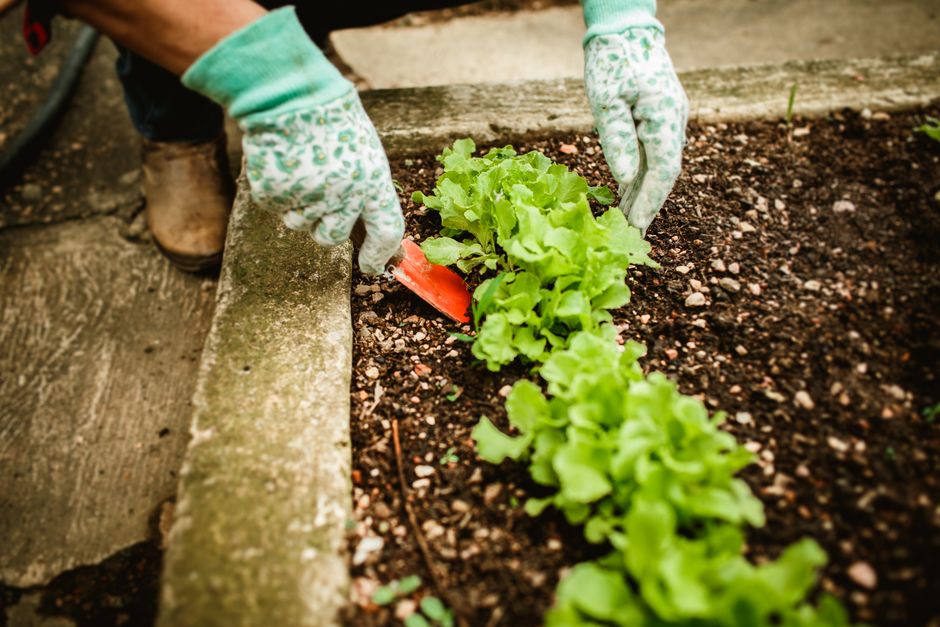
Start Your Home Garden: Light, Soil, and Easy Plants
Guide to starting a home garden: select a sunny spot, prepare loose soil, and choose simple crops like herbs and lettuce.

Growing Arugula at Home: Simple Steps for Fresh Greens
Sow seeds, choose a sunny spot, use light soil, and water moderately to harvest fresh arugula in pots or planters. Manage pests.
Your Guide to Starting a Home Vegetable Garden
Cultivate a thriving garden by mastering site selection, soil amendment, crop choice, and irrigation techniques for optimal yield and plant health.