Homegrown Lettuce Cultivation: Basic Steps for Fresh Greens
A guide to growing lettuce at home, covering site selection, soil, planting, watering, and harvesting.
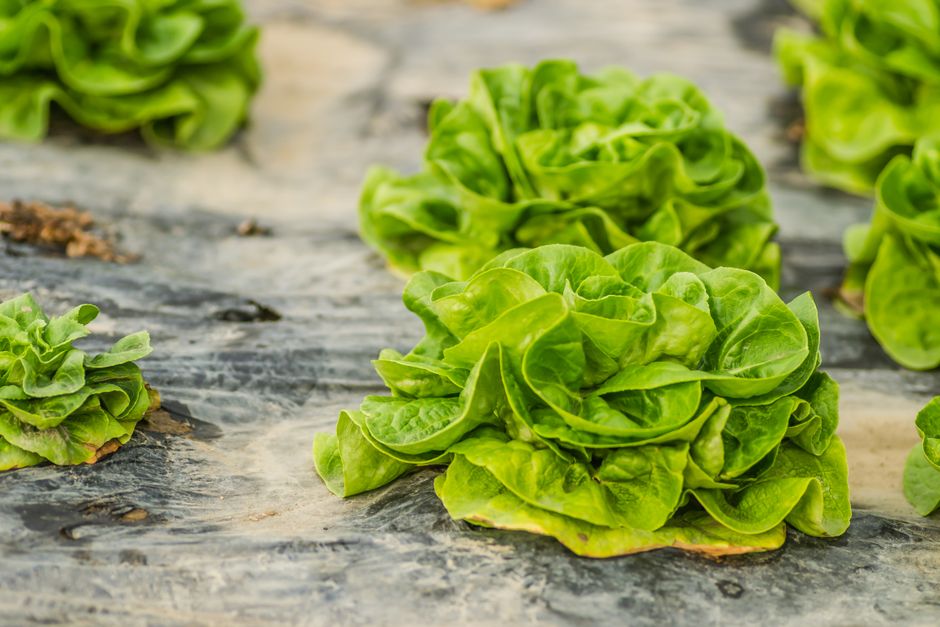
Having fresh lettuce at home is a luxury anyone can afford. Imagine being able to pick crisp leaves directly from your balcony or windowsill to add to your salad. It’s easier than you think and doesn’t require you to be a gardening expert. All it takes is a little attention to a few key details.
Starting with lettuce is an excellent idea for those new to home cultivation. It’s a plant that grows relatively quickly, offering satisfaction in a short time. Plus, there are many varieties to choose from, so you can experiment until you find your favorite.
Choosing the Ideal Spot for Your Lettuce
Lettuce, like most leafy greens, needs light to grow strong. Ideally, it should receive at least 4 to 6 hours of direct sunlight per day. If you live in an area with intense sun, especially during summer, a little shade during peak hours can be beneficial to prevent scorching.
Look for a spot on your balcony, patio, or even a windowsill that receives good light. If light is scarce, the plant will grow slower, and the leaves may be weaker. Consider a location protected from strong winds, as they can damage tender leaves.
Soil: The Foundation for Healthy Lettuce Growth
Lettuce requires loose, well-draining soil. If the soil becomes waterlogged, the roots can rot. A good quality potting mix is an excellent option. If you plan to use soil from your garden, mix it with compost or organic matter to make it lighter and more airy.
You can use pots, containers, or even grow bags. The important thing is that they have drainage holes at the bottom to allow excess water to escape. Fill the container with soil, leaving a couple of centimeters free at the top.
How to Sow or Transplant Lettuce
You have two main approaches to get started: sowing seeds directly or purchasing seedlings (small, already germinated lettuce plants).
If sowing seeds:
Create small furrows in the soil, about half a centimeter deep. Carefully scatter the seeds, avoiding overcrowding. Gently cover with a thin layer of soil and water with a spray bottle to avoid dislodging the seeds. Keep the soil consistently moist until germination, which typically takes 5 to 10 days. Once the seedlings have a few leaves, and if they are too crowded, you can thin them out by removing some to give the remaining ones more space.
If using seedlings:
Using a small trowel, dig a hole in the soil large enough to accommodate the root ball (the soil surrounding the seedling’s roots). Carefully remove the seedling from its original container. Place it in the hole and fill in the soil around it, gently firming it in place. Water thoroughly after transplanting.
The spacing between plants is crucial. If you are using large containers, you can plant several. If using small pots, one plant per pot is usually sufficient. Allow about 15-20 cm (6-8 inches) between each plant to give them room to grow.
Watering: Key to Flavorful and Crisp Leaves
Lettuce needs consistent moisture, but without overwatering. The ideal approach is to water when the top layer of soil feels dry to the touch. It’s best to water in the early morning or late afternoon when the sun is less intense.
Avoid wetting the leaves directly if possible; aim the water at the base of the plant. This helps prevent diseases. If you notice the soil drying out very quickly, you can apply a layer of mulch (dry grass, straw) over the soil to help retain moisture.
Harvesting and General Care
Lettuce is typically ready for harvest between 45 and 60 days after sowing, depending on the variety. You can harvest the outer leaves as needed, allowing the center of the plant to continue growing. Alternatively, you can cut the entire plant when it reaches a good size.
Lettuce plants generally don’t suffer from many pest problems if well-maintained. If you spot aphids, you can try removing them with a spray of water mixed with a mild, neutral soap. Ensure they receive adequate light and proper watering, as this makes them more resilient.
With these steps, you’ll soon be enjoying your own homegrown fresh lettuce. Give it a try!
Related Articles

Growing Arugula at Home: Simple Steps for Fresh Greens
Sow seeds, choose a sunny spot, use light soil, and water moderately to harvest fresh arugula in pots or planters. Manage pests.

Your Potted Garden: Steps to Get Started
Cultivating a container garden involves strategic site selection, appropriate substrate formulation, and informed crop selection for robust plant development.

Grow Fresh Parsley at Home: Steps and Care Guide
Learn how to choose a sunny spot, prepare well-draining soil, sow or transplant, water correctly, and harvest parsley for your meals.

Growing Scallions at Home: A Step-by-Step Guide
Learn how to plant scallions at home, from choosing the right spot and soil to watering and harvesting for a fresh supply.