Start Your Home Garden: Light, Soil, and Easy Plants
Guide to starting a home garden: select a sunny spot, prepare loose soil, and choose simple crops like herbs and lettuce.
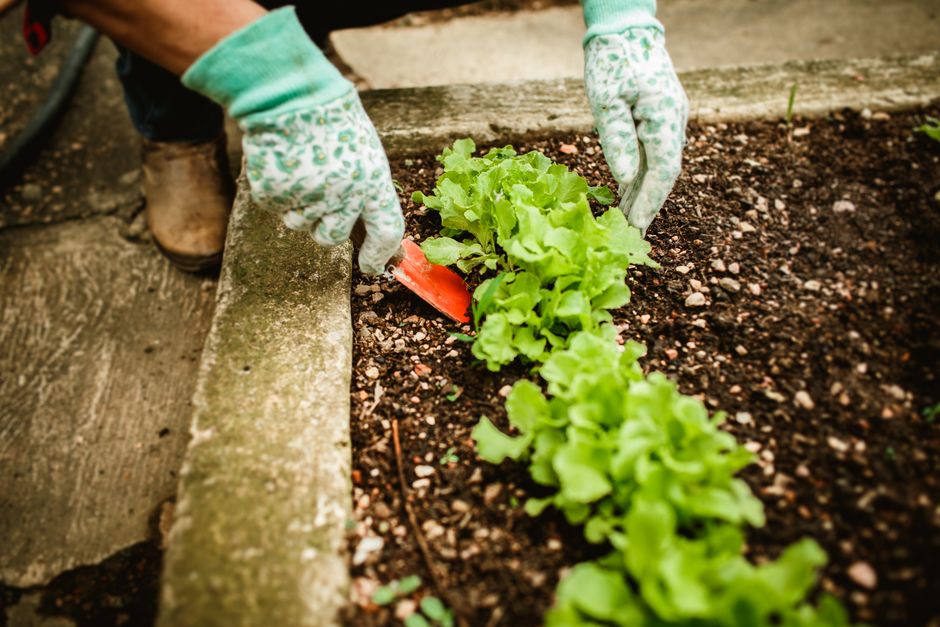
Starting a home garden is easier than you might think, even if you’ve never gardened before. The key is selecting the right plants and providing them with basic care. You don’t need a huge yard; a balcony, a sunny windowsill, or a small patio are sufficient to grow your own fresh vegetables and herbs.
Where to Place Your Garden: Light and Space
The first step is to decide where you’ll locate your plants. Most vegetables and herbs need at least 6 hours of direct sunlight per day. Look for the brightest spot in your home, whether it’s a window that gets sun in the morning or afternoon, a corner on the patio, or the balcony.
If you have limited sunlight, don’t worry. Some plants adapt well to partial shade, such as certain lettuces, spinach, or mint. Observe your space throughout the day to see how many hours of sun it receives and at what times. This will help you choose the right plants and know how to care for them best.
To start, you don’t need special pots or complicated structures. You can use recycled containers like cut bottles, large cans, or wooden crates, always ensuring they have drainage holes at the bottom to allow water to escape. If you use pots, choose ones of an appropriate size for each plant; herbs can go in smaller pots, but plants that grow larger, like tomatoes or peppers, will need more space.
Soil: The Foundation of Any Good Crop
Good soil is fundamental for your plants to grow healthy and strong. Not just any garden soil or randomly purchased dirt will do. The ideal is to use a mix that retains moisture but also drains well, preventing root rot.
You can buy pre-mixed potting soil for gardens or create your own blend. A good combination might be regular garden soil (if it’s good quality), mixed with compost or worm castings. Compost provides essential nutrients naturally, and worm castings improve soil structure and nutrient availability. You can also add a bit of perlite or vermiculite to enhance drainage and aeration.
If you’re using pots or containers, it’s important to refresh or improve the soil periodically, at least once a year, by adding some fresh compost. This ensures plants continue to have the nutrients they need to produce good fruits or vegetables.
Best Plants to Start Your Garden
Choosing the right plants is key to avoiding discouragement early on. Here are some options that are generally easy to care for and productive:
Aromatic Herbs
These are ideal for beginners. They grow quickly, don’t require much space, and you can use them in your cooking.
- Parsley: Likes sun but tolerates some shade. Needs regular watering.
- Chives: Very easy to grow, just needs loose soil and moderate watering.
- Mint: Grows vigorously, even in partial shade. Be careful as it can be invasive if planted directly in the ground.
- Basil: Loves sun and heat. Water when the soil is dry to the touch.
Leafy Greens
These plants grow quickly, and you can harvest their leaves multiple times.
- Lettuce: Many varieties exist. Prefers sun but also adapts to partial shade. Water without waterlogging.
- Spinach: Similar to lettuce, tolerates shade well and needs consistent moisture.
- Arugula (Rocket): Grows very quickly, even in cooler climates. Likes sun but also light shade.
Other Easy Crops
- Cherry Tomatoes: More resilient than larger tomato varieties. Need plenty of sun and support (a stake) to prevent them from falling over.
- Peppers: Love sun and heat. Need a sufficiently large container and regular watering.
- Radishes: Grow very quickly; you can harvest them in just a few weeks. Prefer sun but not extreme heat.
Watering: How Much and When
Watering is one of the most crucial aspects of care and where beginners often make mistakes. The general rule is to water when the soil is dry to the touch. Stick a finger about 1-2 inches into the soil; if you feel moisture, wait a bit longer. If it’s dry, it’s time to water.
The amount of water depends on the plant, the size of the pot, the temperature, and the ambient humidity. It’s better to water thoroughly and deeply, ensuring water reaches all the roots, than to water a little bit every day. Avoid excessively wetting the leaves, especially in the evening, to prevent fungal diseases.
Observe your plants. If leaves turn yellow and fall off, it might be due to overwatering. If they wilt and look droopy, they probably need water. Each plant is unique, so pay attention to their signals.
Starting a home garden is a rewarding experience. With these easy plants and basic care, you’ll soon be enjoying your own harvests. Give it a try!
Related Articles
Start Your Home Garden Easily
Select a sunny spot, prepare loose soil, and choose simple crops like lettuce or herbs to successfully start your home garden.

How to Start a Home Garden From Scratch
Start your home garden by selecting a sunny spot, preparing loose soil, choosing easy crops, and learning basic watering and care.

Growing Arugula at Home: Simple Steps for Fresh Greens
Sow seeds, choose a sunny spot, use light soil, and water moderately to harvest fresh arugula in pots or planters. Manage pests.

Grow Fresh Parsley at Home: Steps and Care Guide
Learn how to choose a sunny spot, prepare well-draining soil, sow or transplant, water correctly, and harvest parsley for your meals.