Your First Home Garden: Easy Harvests for Beginners
Choose a sunny spot, prepare loose soil, and easily grow lettuce, herbs, or radishes to start your home garden successfully.
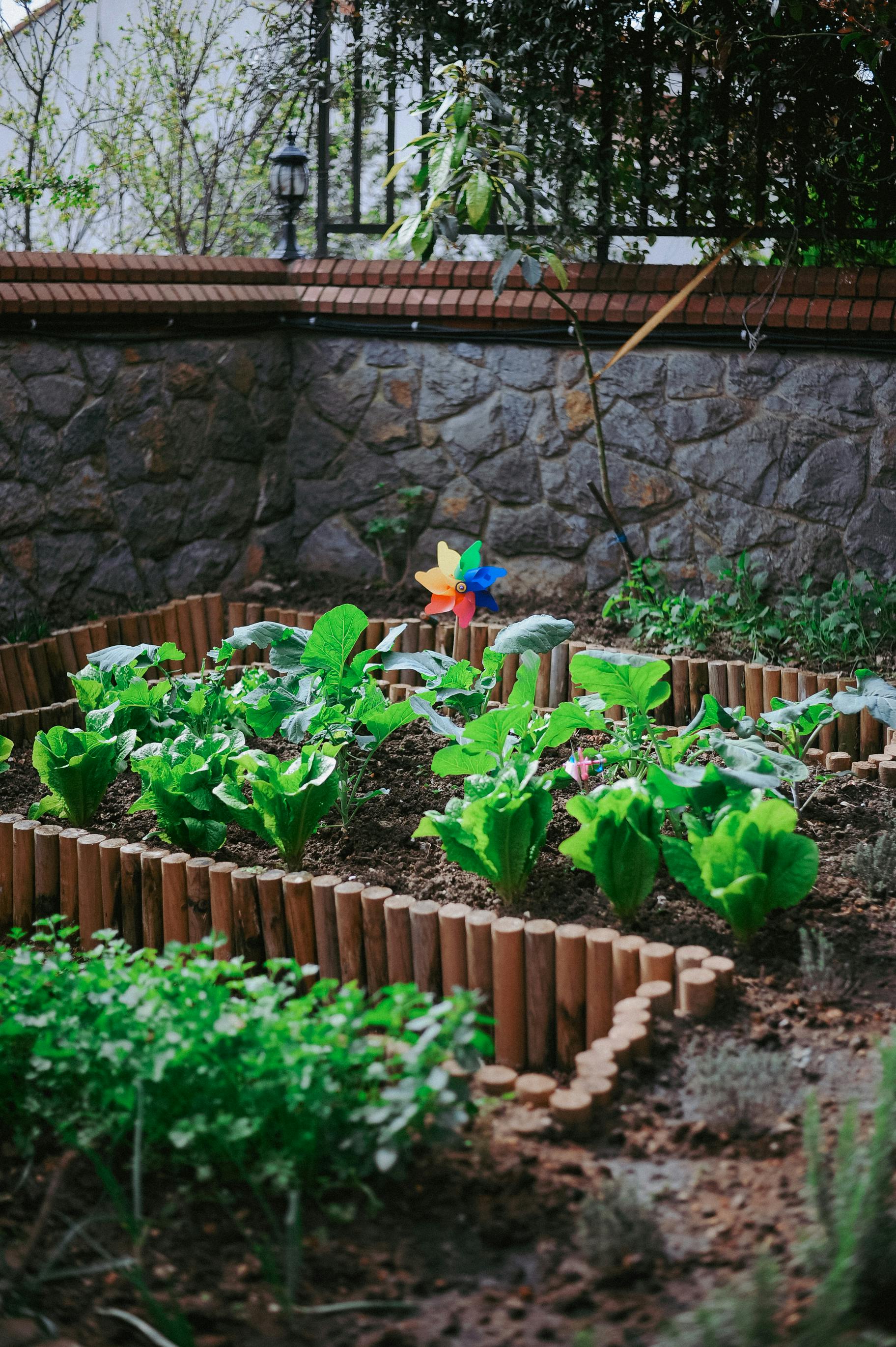
Starting your own home garden is a rewarding experience, but choosing what to plant initially might seem challenging. The key is to begin with beginner-friendly crops that don’t require excessive care and yield quick results to maintain motivation. Don’t get overwhelmed by too many options; focus on a few plants that adapt well to your space and home conditions.
1. Decide Where Your Garden Will Be
The first step is to assess your living space. Do you have a balcony, a patio, a sunny windowsill, or a corner in the yard? Most plants need direct sunlight to grow well, at least 4 to 6 hours per day. Observe which areas receive the most sun throughout the day. If you have limited sun, don’t worry, there are options for that too. It’s also important that the chosen spot is protected from strong winds and easily accessible for watering and plant care.
- Practical Tip: Note down how many hours of direct sunlight each area of your home receives daily. This will give you a clear idea of where to place your pots or raised beds.
2. Soil is Fundamental
Plants need good soil to thrive. If you’re using pots or containers, it’s best to use store-bought potting mix or blend compost with good quality soil. This ensures the soil is loose, retains moisture but drains excess water effectively, and contains the necessary nutrients for plants to start growing.
- Avoid using garden soil directly in pots: It tends to be too compact and may harbor pests or diseases.
- Ideal Potting Mix: 50% quality topsoil, 30% compost or worm castings, and 20% perlite or coarse sand for improved drainage.
3. What to Plant If You’re Just Starting?
For your first gardening experience, choose crops that grow quickly, are resilient, and don’t need highly specific care. This way, you’ll see results soon and learn as you go.
-
Leafy Greens: These are ideal for beginners. They grow fast, and you can harvest them as needed.
- Lettuce: Many varieties exist, and some mature in just a few weeks. It only needs sun and regular watering.
- Spinach: Similar to lettuce, it’s hardy and adapts well to temperate climates.
- Arugula (Rocket): Grows very quickly and has a peppery flavor that adds a special touch to your salads.
-
Herbs: They are easy to care for, take up little space, and add a lot of flavor to your meals.
- Parsley: Grows well in pots and only needs sun and water.
- Chives: Extremely easy to grow, almost foolproof. Cut the leaves, and they regrow.
- Mint: Very resilient, but beware, it tends to spread aggressively! It’s best planted alone in its own pot.
-
Other Beginner-Friendly Options:
- Radishes: Mature in about a month. They are fun to harvest.
- Cherry Tomatoes: If you have plenty of sun, they are easier to care for than larger tomato varieties and produce fruit quickly. They require staking for support.
-
What to Avoid Initially: Crops that require a lot of space, very specific care, or are prone to difficult pests, such as eggplants or peppers that are very sensitive to cold.
4. Watering: The Key to Success
Watering is crucial, but overwatering or underwatering can ruin your efforts. Most plants need the soil to be moist, but not waterlogged. The best way to tell if a plant needs water is to stick your finger a couple of inches into the soil. If it feels dry, it’s time to water.
- Best Time to Water: Early morning or late afternoon, when the sun isn’t too intense. This way, the water doesn’t evaporate too quickly.
- How to Water: Direct the water to the base of the plant, avoiding wetting the leaves unnecessarily, especially in humid climates, to prevent fungal diseases.
- Pots vs. Ground: Pots dry out faster than soil in the ground, so pay them extra attention.
Starting with these crops and basic care will allow you to enjoy your first harvests and build confidence. As you gain experience, you can try other plants and more advanced techniques. The most important thing is to enjoy the process and learn from each plant!
Related Articles
Homegrown Lettuce Cultivation: Basic Steps for Fresh Greens
A guide to growing lettuce at home, covering site selection, soil, planting, watering, and harvesting.

How to Start a Home Garden From Scratch
Start your home garden by selecting a sunny spot, preparing loose soil, choosing easy crops, and learning basic watering and care.

Growing Arugula at Home: Simple Steps for Fresh Greens
Sow seeds, choose a sunny spot, use light soil, and water moderately to harvest fresh arugula in pots or planters. Manage pests.

Design and Maintenance of Herb Spirals for Home Cultivation
Detailed instructions for creating a herb spiral: site selection, substrate, cultivation, watering, and pruning/harvesting tips.