Your Guide to Starting a Home Vegetable Garden
Cultivate a thriving garden by mastering site selection, soil amendment, crop choice, and irrigation techniques for optimal yield and plant health.
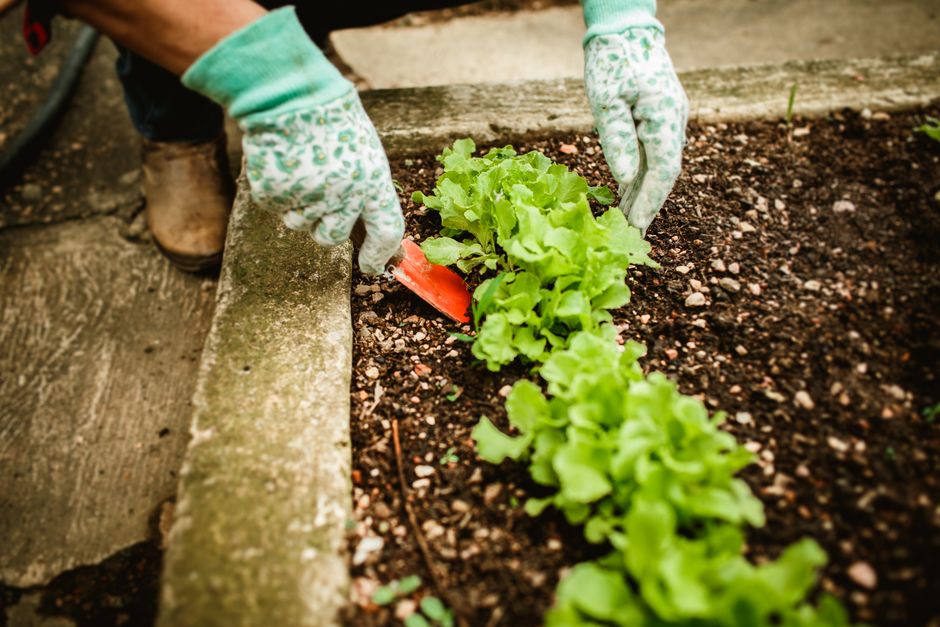
Starting a home vegetable garden might seem daunting, but with a few key points in mind, the process becomes much simpler and more rewarding. You don’t need to be an expert or have a vast space; with a little planning, you can enjoy your own fresh vegetables and herbs.
When considering your first garden, the first step is choosing the right location. Plants need sunlight to grow, and most require at least six hours of direct sun daily. Observe your balcony, patio, or windowsill throughout the day to identify the sunniest spots. If you have limited light, don’t be discouraged; some plants tolerate partial shade, such as certain lettuces or spinach varieties.
Soil: The Foundation of Your Garden
Soil is the bedrock of any successful cultivation. Not just any soil will suffice. You need a well-draining substrate to prevent root rot and nutrient-rich soil to nourish your plants. You can purchase pre-mixed garden or potting soil, which already contains the necessary components. If you wish to improve your existing soil, you can mix it with compost or worm castings. This revitalizes the soil and helps your plants grow strong.
Choosing Your First Crops
To begin, it’s best to select easy-to-grow crops that you enjoy. Culinary herbs like basil, parsley, or mint are ideal because they grow quickly and are generally low-maintenance. Lettuces and spinach are also good choices, as you can harvest their leaves gradually. If you have more sunlight, cherry tomatoes or peppers can be a rewarding initial challenge. Avoid plants that require highly specific care at the outset; focus on achieving success with simpler varieties.
Watering Wisely
Proper watering is crucial, but it doesn’t mean drowning your plants. Most home gardens require regular watering, but the amount depends on the climate, plant type, and pot size. The best way to determine if a plant needs water is to touch the soil: if the top inch or two feels dry, it’s time to water. It’s best to water in the early morning or late afternoon, applying water directly to the soil and avoiding wetting the leaves to prevent fungal diseases. Pots, having less soil volume, dry out faster than garden beds.
Natural Pest and Disease Management
Maintaining a healthy garden without chemicals is entirely possible. Observing your plants daily helps you detect any issues early on. If you notice small pests, you can often remove them by hand or use natural remedies like soapy water (using potassium soap). Ensuring your plants have adequate light, appropriate soil, and the right amount of water is the best defense against many diseases and pests. Healthy soil and robust plants are less susceptible to illness.
Key Takeaways for Success
To start, focus on these essential points: a sunny location, good quality soil, simple plants, and careful watering. You’ll find that with a little attention, your home garden will bring you immense joy and fresh produce to enjoy in your kitchen.
Key Considerations:
- Sunlight: Aim for at least 6 hours of direct sunlight per day for most vegetables and herbs.
- Soil Quality: Use a well-draining potting mix enriched with organic matter like compost.
- Crop Selection: Start with forgiving plants like herbs, leafy greens, radishes, or bush beans.
- Watering Technique: Water consistently but avoid overwatering. Check soil moisture by touch.
- Observation: Regularly inspect plants for signs of pests or diseases.
By implementing these fundamental principles, you’ll be well on your way to cultivating a thriving home garden that yields delicious and healthy results. Enjoy the process and the fruits (or vegetables!) of your labor!
Advanced Tips for the Aspiring Gardener
Once you’ve mastered the basics, consider these advanced techniques to elevate your home gardening game:
Companion Planting
Companion planting involves strategically placing different plants together to enhance growth, deter pests, or attract beneficial insects. For example, planting basil near tomatoes is believed to improve tomato flavor and repel certain pests. Marigolds are known to deter nematodes in the soil.
Crop Rotation
If you have the space for multiple containers or a small plot, practicing crop rotation is beneficial. This involves not planting the same crop (or crop family) in the same spot year after year. It helps prevent soil-borne diseases and nutrient depletion. For instance, follow a heavy feeder like tomatoes with a legume that replenishes nitrogen.
Composting at Home
Creating your own compost is an excellent way to produce nutrient-rich soil amendments for free. A simple compost bin or pile can break down kitchen scraps (vegetable peels, coffee grounds, eggshells) and yard waste (leaves, grass clippings) into valuable fertilizer. This not only feeds your plants but also reduces landfill waste.
Vertical Gardening
For those with limited horizontal space, vertical gardening offers a solution. Utilize trellises, wall-mounted planters, or tiered systems to grow plants upwards. This is particularly effective for vining plants like cucumbers, beans, and certain types of squash, maximizing yield in a small footprint.
Mulching
Applying a layer of organic mulch (such as straw, wood chips, or shredded leaves) around your plants helps retain soil moisture, suppress weeds, and regulate soil temperature. It also breaks down over time, adding nutrients to the soil. Ensure the mulch doesn’t touch the plant stems directly to prevent rot.
Seed Saving
As you become more experienced, you might consider saving seeds from your best-performing plants. This allows you to grow plants adapted to your specific climate and conditions year after year, and it’s a cost-effective practice. Ensure you understand the pollination habits of the plants you choose to save seeds from, especially for cross-pollinating varieties.
Troubleshooting Common Issues
Even with the best intentions, you might encounter challenges. Here’s how to address some common ones:
Yellowing Leaves
This can indicate overwatering, underwatering, or nutrient deficiency. Check the soil moisture. If it’s constantly soggy, reduce watering. If it’s bone dry, increase frequency. If watering seems correct, consider adding a balanced liquid fertilizer or compost tea.
Wilting Plants
Wilting can be a sign of underwatering, but it can also occur with overwatering (as roots suffocate). Again, soil moisture is key. Extreme heat can also cause temporary wilting, which plants may recover from overnight.
Pests (Aphids, Spider Mites)
Small infestations can often be managed by a strong spray of water or wiping them off. For persistent issues, use insecticidal soap or neem oil. Encourage beneficial insects like ladybugs by planting flowers they are attracted to.
Fungal Diseases (Powdery Mildew)
Good air circulation and avoiding overhead watering help prevent fungal diseases. Remove affected leaves promptly. For powdery mildew, a solution of baking soda and water or milk can sometimes help.
Conclusion
Embarking on your home gardening journey is a rewarding experience. By starting with the fundamentals—location, soil, plant choice, and watering—and gradually exploring more advanced techniques, you can create a productive and beautiful garden space. Remember that patience and observation are your greatest tools. Happy gardening!
Related Articles

Grow Fresh Parsley at Home: Steps and Care Guide
Learn how to choose a sunny spot, prepare well-draining soil, sow or transplant, water correctly, and harvest parsley for your meals.

Your Potted Garden: Steps to Get Started
Cultivating a container garden involves strategic site selection, appropriate substrate formulation, and informed crop selection for robust plant development.

Growing Spinach in Small Spaces: Location, Soil, Planting, and Care
A guide to growing spinach at home, covering site selection, soil preparation, cool-weather planting, and general watering and pest management.

Growing Scallions at Home: A Step-by-Step Guide
Learn how to plant scallions at home, from choosing the right spot and soil to watering and harvesting for a fresh supply.