Your Potted Garden: Steps to Get Started
Cultivating a container garden involves strategic site selection, appropriate substrate formulation, and informed crop selection for robust plant development.

Starting a home garden, even if you live in an apartment or have limited space, is easier than you think. All you need is a few pots, good soil, and a sunny location. If you’re wondering where to begin, here are the key steps to ensure your first plants grow healthy and strong.
Choosing the Right Location
The first step is selecting the correct spot. Most vegetables and herbs require at least 5 to 6 hours of direct sunlight per day. Observe your balcony, patio, or windowsill to identify areas that receive the most sunlight. If you have limited light, don’t worry; some crops adapt better to partial shade, such as certain lettuces or spinach.
The Importance of Soil
Soil is fundamental for plants to thrive. For pots, it’s ideal to use a quality potting mix, which is a special blend that retains moisture while also draining well. Avoid using regular garden soil directly, as it tends to compact heavily in pots, hindering root aeration. You can purchase ready-made potting mixes from nurseries or garden supply stores. To enhance it further, you can mix in some well-decomposed compost for extra nutrients.
Selecting What to Plant
Choosing what to plant initially is important to avoid discouragement. Some easy options to start with include: lettuces, arugula, spinach, radishes, parsley, basil, and green onions. These plants grow quickly and typically don’t present many issues. As you gain confidence, you can experiment with cherry tomatoes, peppers, or eggplants.
Watering Wisely
Proper watering is crucial. Plants in pots dry out faster than those in the ground. Test the soil with your finger: if the top inch or two feels dry, it’s time to water. It’s best to water thoroughly, until water drains from the pot’s drainage holes, and to do so in the early morning or late afternoon. Avoid waterlogging the soil, as this can lead to root rot.
Pest and Disease Management
Caring for your plants against pests and diseases is part of the process. If you notice ants or aphids, you can try homemade solutions like a spray of mild soap diluted in water. Inspect your plants regularly to catch any problems early. Good watering practices and healthy soil are your best defense.
Starting a potted garden allows you to have fresh produce readily available and enjoy the cultivation process. With these basic steps, you have everything you need to bring your green corner to life and harvest your own vegetables.
Related Articles
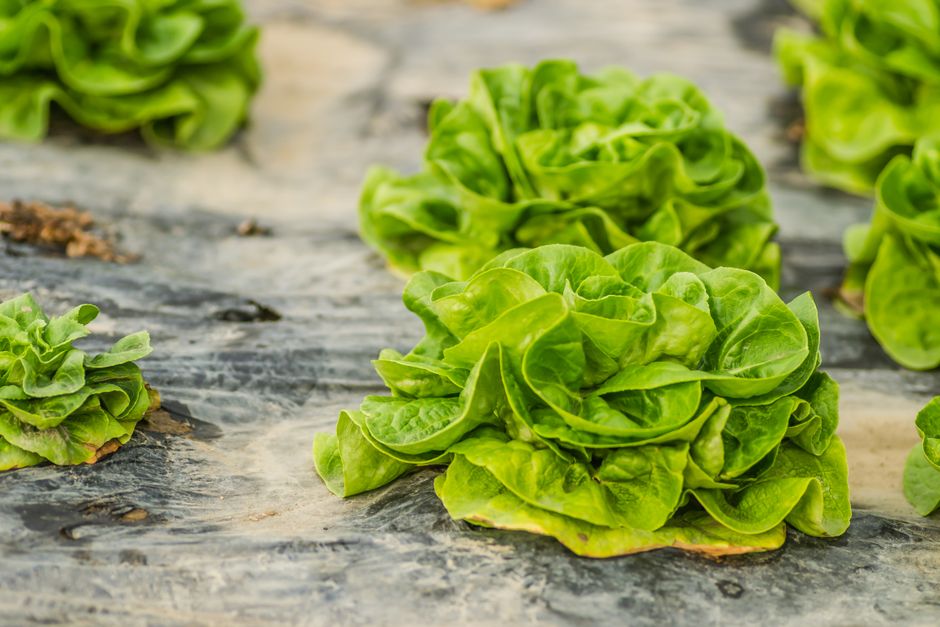
Homegrown Lettuce Cultivation: Basic Steps for Fresh Greens
A guide to growing lettuce at home, covering site selection, soil, planting, watering, and harvesting.
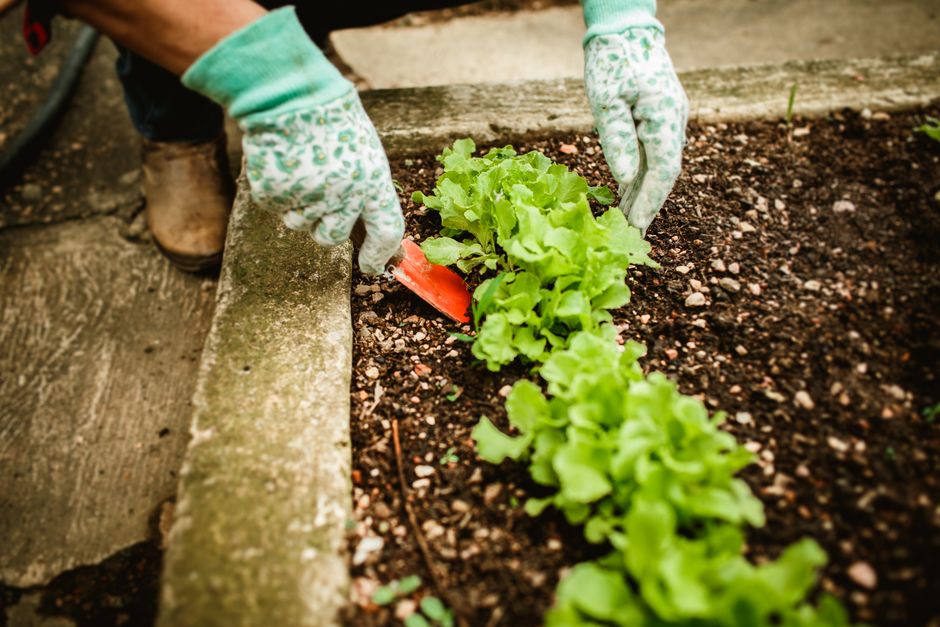
Your Guide to Starting a Home Vegetable Garden
Cultivate a thriving garden by mastering site selection, soil amendment, crop choice, and irrigation techniques for optimal yield and plant health.

Grow Fresh Parsley at Home: Steps and Care Guide
Learn how to choose a sunny spot, prepare well-draining soil, sow or transplant, water correctly, and harvest parsley for your meals.

Growing Arugula at Home: Simple Steps for Fresh Greens
Sow seeds, choose a sunny spot, use light soil, and water moderately to harvest fresh arugula in pots or planters. Manage pests.