How to Start a Home Garden From Scratch
Start your home garden by selecting a sunny spot, preparing loose soil, choosing easy crops, and learning basic watering and care.

Starting a home garden might seem complicated at first, but with a few clear steps, you’ll find it’s much simpler than you imagine. You don’t need a large yard; a balcony, a sunny window, or a small patio are enough to begin growing your own food. Here’s how to do it, designed for those starting from scratch.
Choosing the Ideal Spot for Your Garden
Sunlight is crucial for plants to grow healthy and strong. Most vegetables and greens need at least 5 to 6 hours of direct sunlight per day. Observe your home throughout the day to identify which areas receive the most sunlight. Balconies facing north (in the Southern Hemisphere) or windows overlooking the street are often good options. If you don’t have much direct sun, don’t be discouraged; some plants like lettuce or certain herbs adapt well to lower light conditions. It’s also important to consider protection from strong winds, which can damage young plants. A sheltered corner is always preferable.
Preparing the Soil: The Foundation of Every Crop
The soil is where plants will establish their roots and obtain nutrients. For a garden in pots or containers, it’s essential to use a good potting mix, which is a special blend for containers, or prepare soil that drains well. If you plan to use garden soil, mix it with compost or organic matter to enrich it and make it more porous. This helps prevent water from accumulating at the bottom of the pot and allows the roots to breathe. Good, loose soil prevents problems like root rot and ensures plants have everything they need to grow. You can buy bags of universal potting mix at any nursery or garden store, or create your own blend with topsoil, compost, and a bit of coarse sand if the soil is too compact.
What to Plant When Starting Out? Easy and Productive Crops
When you’re just beginning, it’s best to start with crops that are easy to care for and yield quick results to maintain motivation. Lettuces and other leafy greens like arugula or spinach are ideal. They grow quickly and usually don’t present many problems. Swiss chard is also very resilient. Aromatic herbs such as parsley, chives, mint, or rosemary are excellent choices. Not only are they easy to grow, but they also add a special touch to your meals. Cherry tomatoes, peppers, and radishes are also good options for beginners, provided they receive enough sun. Avoid starting with crops that require very specific care or take a long time to mature until you gain more confidence.
Watering: Key to Healthy Plants
Wattering is one of the most important tasks, but also where most mistakes are made. The golden rule is: it’s better to water a little less than too much. Plant roots need air, and if the soil is constantly waterlogged, they suffocate and can rot. Before watering, insert your finger into the soil about 2-3 centimeters deep. If it feels dry, it’s time to water. If it’s moist, wait a bit longer. The amount of water will depend on the pot size, plant type, and climate. On hot days, plants will need more water. It’s preferable to water in the early morning or late afternoon, when the sun isn’t as intense, so the water doesn’t evaporate too quickly and the plants can absorb it better. Aim the water at the base of the plant, not the leaves, to prevent fungal diseases.
Caring for Your Garden: Practical Tips
Once your garden is established, continuous care is important. Observe your plants regularly. Do they have spots on their leaves? Are there any pests? Sometimes, a simple damp cloth can remove aphids. If you notice a plant isn’t growing well, it might be an issue with the soil, light, or watering. Ensuring the soil has nutrients is key. You can add a bit of compost periodically or use organic fertilizers, such as worm castings. If the leaves turn yellow and the soil is dry, it needs more water. If they turn yellow and the soil is wet, you might be overwatering. Avoiding chemicals is easy: many pests can be controlled with homemade remedies, like mixtures of water and mild soap, or simply by removing them by hand. Keeping the garden clean by removing dead or diseased leaves also helps prevent problems.
Related Articles
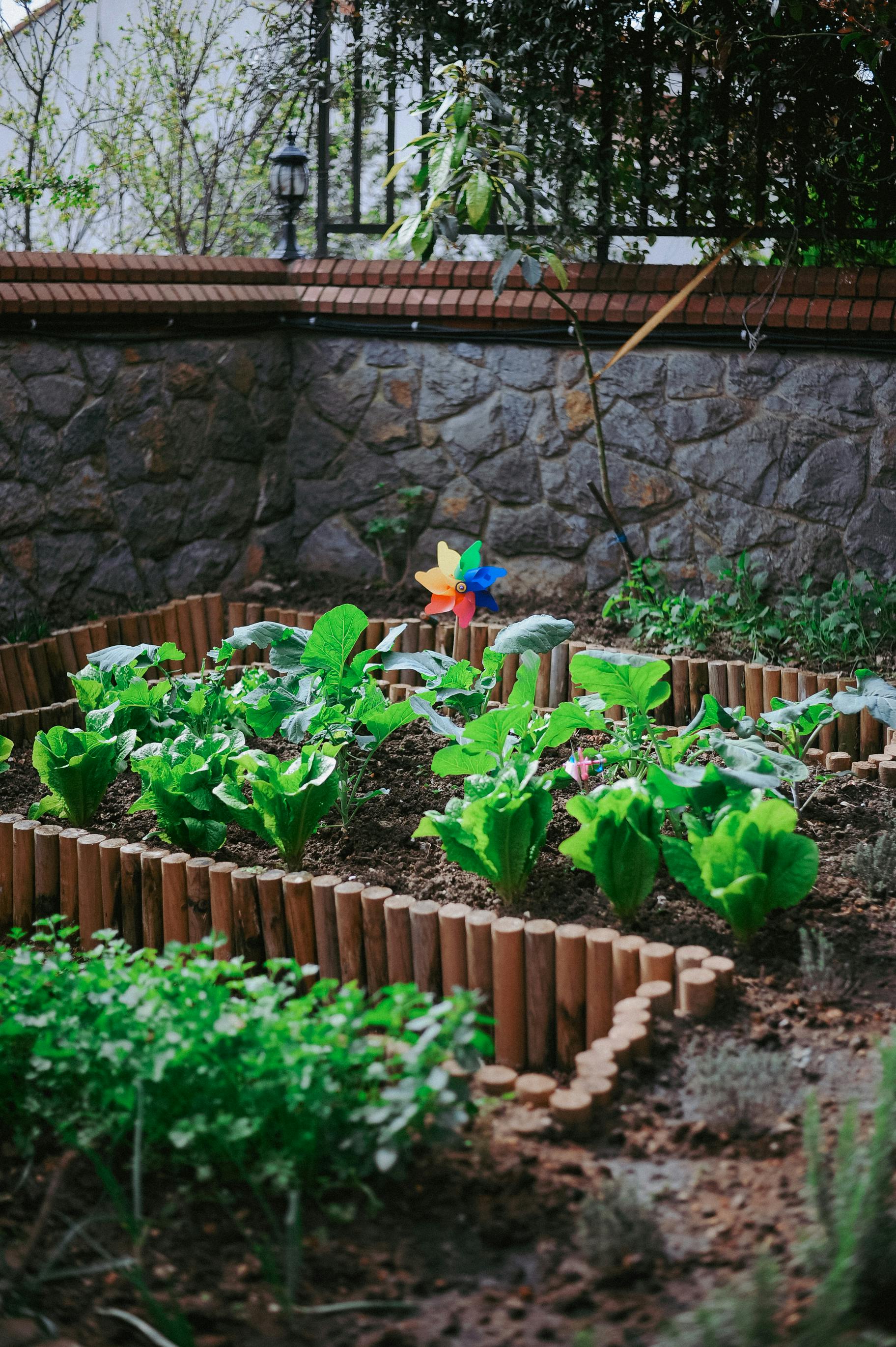
Your First Home Garden: Easy Harvests for Beginners
Choose a sunny spot, prepare loose soil, and easily grow lettuce, herbs, or radishes to start your home garden successfully.
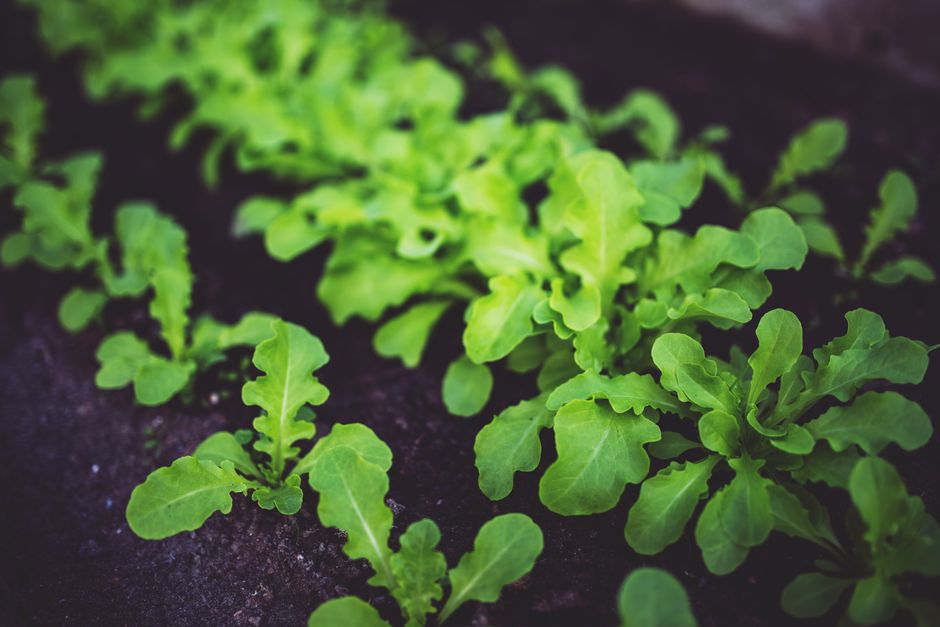
Growing Arugula at Home: Ideal Seasons and Essential Care
Sow arugula in spring or fall, choose loose, sunny soil. Water constantly and harvest tender leaves for a peppery flavor.
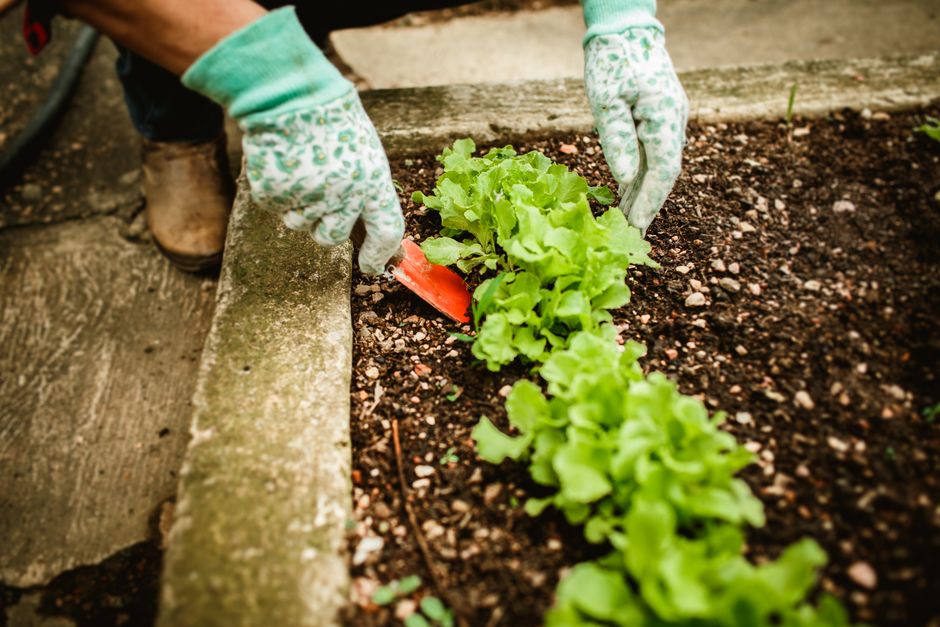
Your Guide to Starting a Home Vegetable Garden
Cultivate a thriving garden by mastering site selection, soil amendment, crop choice, and irrigation techniques for optimal yield and plant health.

Design and Maintenance of Herb Spirals for Home Cultivation
Detailed instructions for creating a herb spiral: site selection, substrate, cultivation, watering, and pruning/harvesting tips.