Your First Home Garden: Simple Steps to Get Started
Establish your home garden by selecting a sunny spot, preparing loose soil, choosing easy crops, and learning basic watering and care.
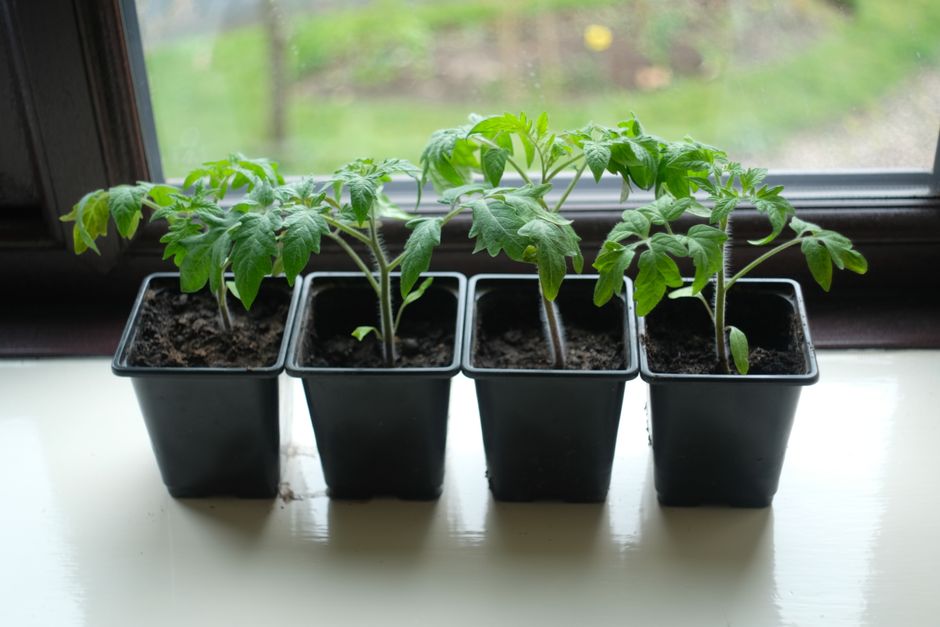
Starting a home garden is easier than you might think, even if you’ve never done it before. Imagine harvesting your own fresh, chemical-free vegetables straight from your balcony or patio. Beginning from scratch can sound daunting, but with a few key steps, you’ll soon be enjoying your own produce. You don’t need a large space or to be an expert. The important thing is to start with the basics and learn as you go.
Choosing the Right Location
The first step is selecting the right spot. Plants need light to grow, so look for a location that receives at least 5 to 6 hours of direct sunlight per day. This could be a corner of your patio, a sunny balcony, or even a well-lit windowsill. Observe how the sun moves across your home throughout the day to find the best site. If you have limited sunlight, don’t worry; there are crops that adapt to partial shade, such as some lettuces or spinach.
Preparing the Soil
Soil is the foundation of everything. To begin, you can use potting mix purchased from nurseries or garden stores, often referred to as substrate. Look for a mix that is light and drains well, so the roots don’t rot. If you want to improve your existing soil, you can mix it with compost or worm castings. This provides the plants with the nutrients they need to grow strong. Avoid using soil directly from your garden unless you are certain of its quality, as it may contain pests or be too compacted.
Selecting Easy-to-Grow Crops
For your first garden, it’s wise to start with easy crops that you enjoy. Aromatic herbs are ideal: basil, parsley, mint, oregano. They grow quickly and are very useful in the kitchen. Lettuces and spinach are also good options, as you can harvest them multiple times. Cherry tomatoes, bell peppers, and radishes are relatively simple to grow and offer rewarding results. Avoid starting with crops that require a lot of space or very specific care, like watermelons or eggplants, until you gain some experience.
Watering Wisely
Watering is crucial, but don’t overdo it. Most plants prefer the soil to dry out slightly between waterings. Stick your finger into the soil to check the moisture level; if it’s dry a couple of inches down, it’s time to water. It’s best to water in the early morning or late afternoon. Avoid wetting the leaves directly, as this can encourage fungal diseases; water the base of the plant. The amount of water will depend on the climate, the type of plant, and the size of the pot or container.
Basic Plant Care and Pest Management
Caring for your garden involves being attentive. Observe your plants daily for any signs of problems, such as yellowing leaves or strange spots. Pests are common, but there are simple ways to manage them. Often, a strong spray of water can dislodge aphids. If the problem persists, you can use potassium soap diluted in water, which is an organic and safe product. Keeping the garden clean by removing dry or diseased leaves also helps prevent issues.
Enjoying Your Homegrown Harvest
Starting a home garden connects you with nature and gives you the satisfaction of eating something you grew yourself. Don’t get discouraged if something doesn’t turn out perfectly at first; every mistake is a lesson. The most important thing is to enjoy the process, watch your plants grow, and celebrate every small harvest. With these basic steps, you have everything you need to begin your own green adventure at home.
Related Articles

Container Potato Cultivation: Growing and Managing Solanum tuberosum in Urban Spaces
A technical guide to growing potatoes in pots: variety selection, soil, watering, and harvesting for urban gardens.

Establishing Home Gardens: Selecting Space, Substrate, Crops, and Essential Care
A guide to starting a home garden, covering space selection, substrate preparation, crop choice, watering, nutrition, and pest control.

Design and Maintenance of Herb Spirals for Home Cultivation
Detailed instructions for creating a herb spiral: site selection, substrate, cultivation, watering, and pruning/harvesting tips.

Domestic Vitis vinifera: Varietal Selection, Cultivation, and Health Management
A guide to growing grapes at home: selecting varieties, cultural care, and pest management for successful harvests.