Your First Home Garden: Simple Steps to Get Started
Choose a sunny spot, prepare loose soil, and select easy crops. Learn about watering and basic care for fresh produce.
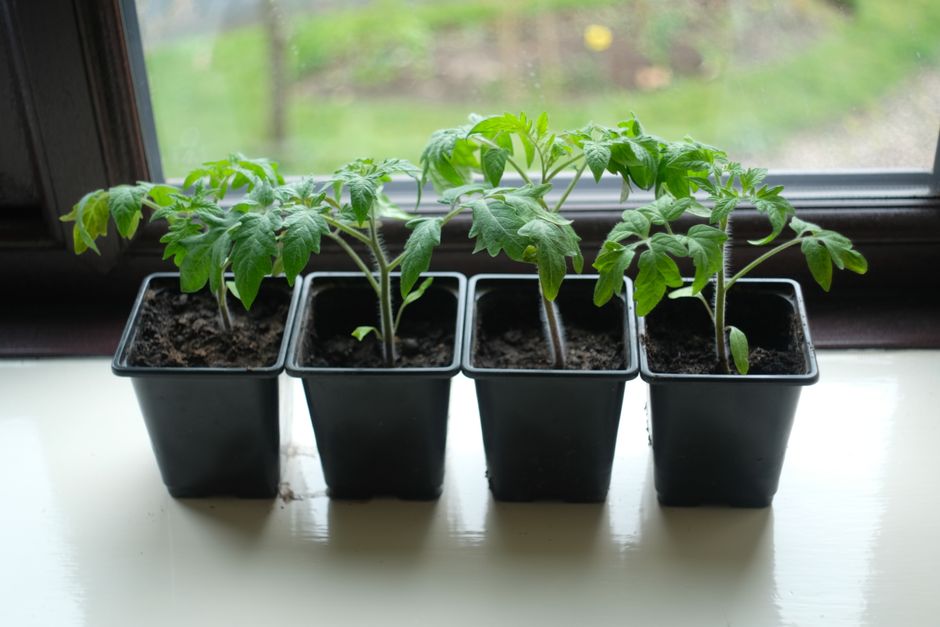
Starting Your Home Garden: Simple Steps to Begin
Choose the Ideal Location and Prepare the Soil for Your Crops
Easy Crops for Beginners and Watering Tips
Basic Care to Keep Your Garden Healthy and Productive
Starting a home garden is easier than you might think. You don’t need a large yard; a balcony or a small patio is sufficient. The important thing is the desire to watch your own plants grow and enjoy fresh food. Here’s how to take the first steps to make your home garden a success.
Choosing the Best Spot for Your Garden
The first step is to find the ideal location. Plants need light to live and grow, especially those that produce fruits like tomatoes or peppers. Look for a spot that receives at least 5 to 6 hours of direct sunlight per day. If you have a balcony, a sunny window, or a corner in your patio, these can work. Observe how much light that space receives throughout the day. If you don’t have much direct sun, don’t worry; some plants adapt well to partial shade, such as lettuce or spinach. Also, consider ventilation; a place with good air circulation helps prevent diseases.
Preparing the Soil: The Foundation of Everything
Soil is fundamental for your plants to develop healthily. Just any garden soil won’t do, especially if you’re taking it from a compacted yard. The ideal is to use a mix that is light, airy, and retains moisture without becoming waterlogged. You can buy ready-made potting mix for gardens at any nursery or garden center. Another option is to prepare your own mix by combining regular soil, compost (decomposed organic matter), and a bit of perlite or vermiculite to improve drainage. If you’re using pots or containers, ensure they have drainage holes at the bottom so water can escape. This is key to preventing root rot.
What to Plant to Start?
For your first garden, it’s best to start with easy-to-grow crops that give quick results. Aromatic herbs are great for beginners. Basil, parsley, mint, oregano, or chives grow well in pots and allow you to have fresh seasonings readily available. Lettuce and other leafy greens like spinach or arugula are also good choices; they grow quickly, and you can harvest their outer leaves without damaging the plant. If you’re feeling more adventurous, cherry tomatoes, peppers, or radishes are crops that usually yield good results and are very rewarding. Avoid starting with crops that require a lot of space or very specific care initially.
Watering: Key to Keeping Your Plants Alive
Proper watering is one of the most important aspects. The amount of water depends on the plant, the climate, and the size of the pot. The general rule is that the soil should be moist but not soaked. Stick your finger into the soil; if it feels dry about 2-3 centimeters deep, it’s time to water. It’s best to water in the early morning or late afternoon when the sun isn’t too strong, so the water doesn’t evaporate too quickly. Avoid wetting the leaves directly, especially at midday, as the sun can scorch them. If you notice water accumulating at the bottom of the pot, it means drainage is poor, and you need to check the holes or the soil mix.
Caring for Your Garden Without Complications
Once your plants are growing, care is quite simple. Observe your plants daily. If you notice any unusual leaves, spots, or pests, act promptly. Often, a simple rinse with water or removing the affected leaf is enough. For pests, there are home remedies. For example, a mixture of water and mild soap can help eliminate aphids. The compost you used in the soil provides nutrients, but if your plants seem to need a boost, you can use liquid organic fertilizers periodically. The key is consistency and observation. Over time, you’ll learn what each plant needs and how to respond to its signals.
Related Articles

Sweet Success: Cultivating Luscious Strawberries on Your Balcony
Transform your urban space into a productive edible garden by learning how to grow abundant, delicious strawberries right on your balcony.
Home Organic Garden: Planning, Living Soil, and Sustainable Cultivation Principles
Learn to plan, prepare soil, and use sustainable techniques for a successful, productive home organic garden.

Home Horticulture Starter Guide: Selecting Space, Soil, Crops, and Basic Care
A step-by-step guide to starting your home garden: choose a location, prepare the soil, select easy plants, and learn watering and growth observation.

Ornamental Edible Gardens: Design, Selection, and Sustainable Management
Integrating aesthetics and production in gardens: species selection, design principles, organic management, and applied technologies.