Starting Your Home Garden: Essential Steps and Tips
Learn to select the best site, prepare the soil, choose easy plants, and provide the necessary watering and care to harvest your own food.

Location and Sunlight for Your Home Garden
Having your own home garden is easier than you might think. It allows you to have fresh vegetables and herbs, know where they come from, and enjoy the process. If you have a balcony, patio, or even a sunny window, you can get started.
Choosing the Ideal Spot for Your Garden
The first step is finding the perfect location. Most plants need at least 6 hours of direct sunlight per day to grow well. Observe your home throughout the day: where does the sun hit most intensely? It could be a balcony, a terrace, the patio, or even a sunny corner by a window.
If you have limited sunlight, don’t worry. There are plants that adapt well, such as some lettuces, spinach, or herbs like mint and parsley. The important thing is that the chosen spot is not exposed to strong drafts and that you have easy access for watering and caring for your plants.
Preparing the Ideal Soil or Growing Medium
Preparing the Soil or Growing Medium
Plants need good soil to grow strong. If you are using pots or containers, it’s best to use a store-bought potting mix. Look for one that is light, loose, and drains water well. This prevents the roots from rotting. You can mix it with a bit of compost or worm castings to provide more nutrients.
If you plan to use garden soil, mix it with compost or organic matter. It’s important that it’s not too compacted. You can test it: if it clumps into a hard ball when squeezed in your hand, it needs more organic matter to loosen it up. Loose soil allows the roots to breathe and grow effortlessly.
What to Plant If You’re Just Starting
Selecting Easy Crops for Beginners
To begin, choose easy-to-grow crops that you enjoy. Aromatic herbs are an excellent option: mint, parsley, basil, oregano, and thyme grow well in pots and add flavor to your cooking.
Vegetables like lettuce, spinach, Swiss chard, and radishes are fast-growing and usually don’t cause many problems. If you have more sunlight, you can try cherry tomatoes, peppers, or eggplants. Remember that each plant has its own space and light requirements, so read the instructions on seed packets or plant tags.
Caring for Your Plants: Watering and Other Secrets
Watering is key. Most plants need the soil to be moist, but not waterlogged. The best way to know if they need water is by touching the soil with your finger. If the top few centimeters are dry, it’s time to water. Water in the early morning or late evening so the water doesn’t evaporate too quickly.
Watering Techniques and Basic Nutrition
Observe your plants daily. If you notice yellowing, wilting, or spotted leaves, it might indicate a watering issue, a lack of nutrients, or a pest problem. Sometimes, good organic fertilizer (like compost or worm castings) applied periodically helps them grow stronger and healthier. If you see any insects, try removing them by hand or use homemade solutions like water with mild soap.
Starting a home garden is a learning process. Don’t get discouraged if things don’t turn out perfectly at first. The most important thing is to enjoy the connection with nature and the fresh food you can harvest.
Related Articles
Starting Your Home Garden: Light, Soil, and Easy Plants
Begin your home garden by choosing a sunny spot, preparing loose soil, and selecting simple crops. Learn about watering and basic care.

Plant Fungi: Identification, Prevention, and Sustainable Control
Learn to identify, prevent, and control fungi on your plants with cultural practices, healthy soil, and natural treatments.
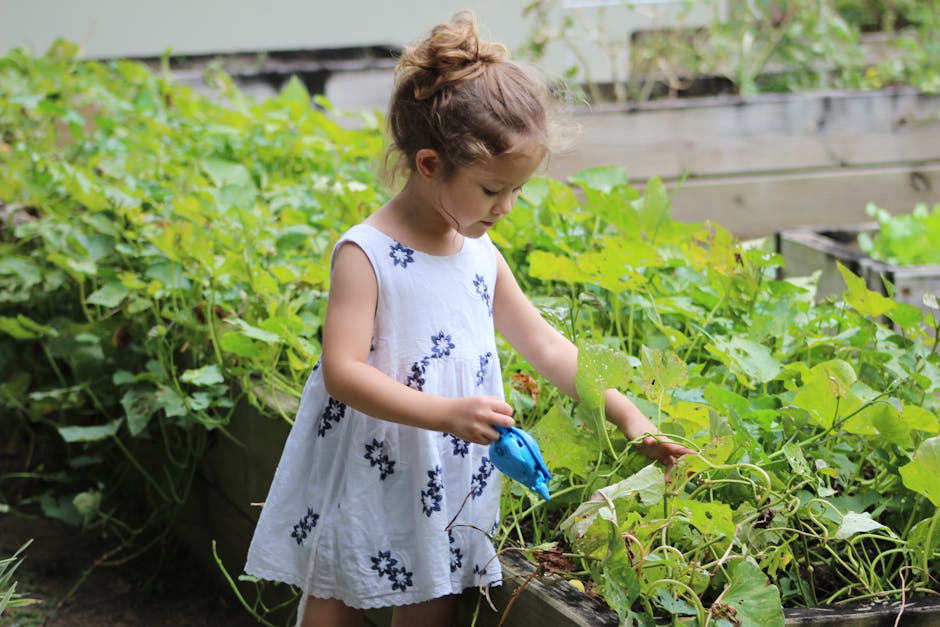
Children's Horticulture: Integrated Development and Environmental Sustainability Through Cultivation
Children's gardening fosters cognitive, emotional, and civic skills, building an early understanding of sustainability and biodiversity.

Home Grape Cultivation: Selection, Planting, and Care for a Successful Harvest
Learn to grow grapes at home, from variety selection to pruning and harvest, for fresh, quality fruit.