Starting Your Home Garden: Light, Soil, and Easy Plants
Begin your home garden by choosing a sunny spot, preparing loose soil, and selecting simple crops. Learn about watering and basic care.

Choosing the Ideal Space for Your Garden
Starting a home garden might seem complicated, but it’s actually simpler than you think. You don’t need a large plot of land or to be an expert. With a little planning and enthusiasm, you can have your own fresh vegetables and herbs readily available. The idea is to take it step by step, understanding what each plant needs to thrive in your home, whether it’s on a balcony, patio, or even in a pot in the kitchen.
The first and most important step is choosing the right location. Plants need light to grow, and most vegetables and greens require at least 5 to 6 hours of direct sunlight per day. Observe your home throughout the day: where does the sun hit most intensely? Consider a balcony, a sunny window, or a corner of the patio. If you have limited sunlight, don’t worry; there are crops that adapt to partial shade, such as some lettuces or spinach. The key is that the location has good light and is protected from strong winds that could damage young plants.
Soil Preparation and Drainage in Containers
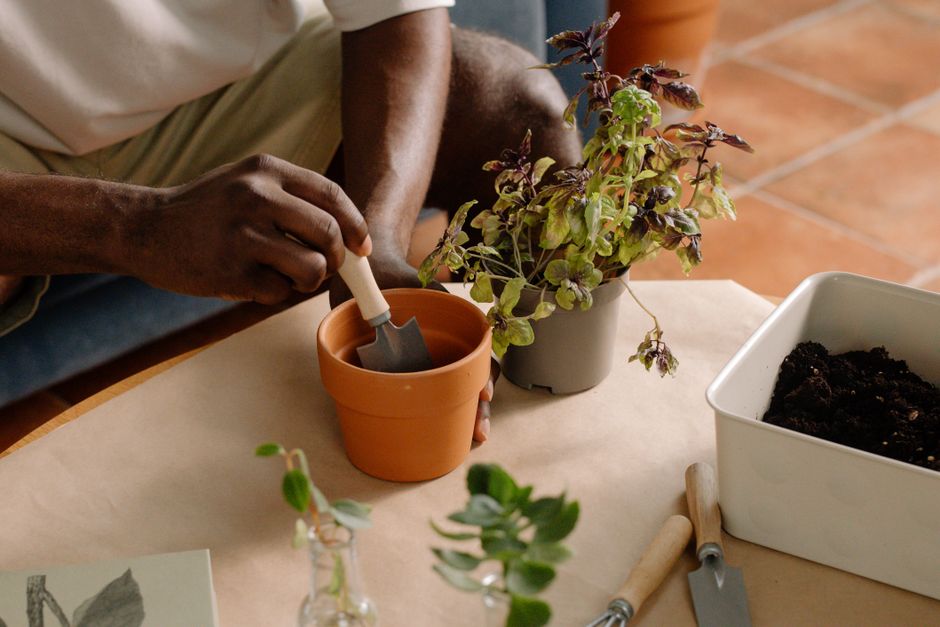
Once you have the location, it’s time to think about the soil. Plants draw their nutrients and anchor themselves in the soil. For a garden in pots or containers, using a good potting mix is essential. Regular garden soil won’t work because it compacts too much and doesn’t drain well. You can buy ready-made garden mixes or create your own by combining black soil, compost (decomposed organic matter), and something to improve drainage, like perlite or coarse sand. If you’re using pots, make sure they have drainage holes at the bottom so excess water can escape. A good potting mix is airy, retains moisture without becoming waterlogged, and provides the nutrients plants need to start growing strong.
Now, what should we plant? If you’re just starting out, it’s ideal to begin with easy-to-grow crops that you enjoy. Aromatic herbs are an excellent choice: parsley, basil, oregano, mint. They grow quickly and are widely used in cooking. Lettuces and spinach are also good for beginners, as they don’t require much care, and you can harvest tender leaves gradually. Cherry tomatoes, peppers, and radishes are another option that often yields good results with a little attention. Initially, avoid more complicated crops like watermelon or squash, which need a lot of space and care.
Selecting Easy Crops for Beginners
Watering is another key point. The amount of water depends on several factors: the type of plant, the size of the pot, the temperature, and the time of year. The best approach is to feel the soil: if the top few inches are dry, it’s time to water. It’s preferable to water deeply and less frequently rather than a little bit every day. Avoid wetting the leaves directly, especially in the evening, to prevent fungal diseases. Most plants prefer moist, but not waterlogged, soil. Observe your plants: if the leaves turn yellow or droop, it might be a watering issue (too much or too little).
Caring for your garden doesn’t end with watering. Plants need nourishment. If you used a good potting mix initially, they will have nutrients for a while. Afterward, you can add compost or an organic fertilizer periodically, following the product’s instructions. It’s also important to be vigilant about pests. Small insects like aphids or mealybugs can appear. Sometimes, a spray of soapy water or removing them by hand is sufficient. If the problem is more severe, there are organic products you can use. Keeping the garden healthy also means removing dry or diseased leaves so the plant doesn’t waste energy on them and can focus on growing and producing fruit.
Managing Watering and Plant Nutrition
Starting a home garden is a continuous learning process. Don’t get discouraged if something doesn’t turn out perfectly at first. Each plant is unique, and with experience, you’ll learn to understand their needs. The most rewarding aspect is being able to harvest your own food, knowing it comes from your effort and care. Dare to try and enjoy the fresh flavors of your own harvest!
Related Articles
Fundamental Principles for Establishing Home Vegetable Gardens
A guide to starting home gardens: site selection, soil preparation, easy crop choices, and watering techniques for healthy plants.
Home Garden Starter Guide: Selecting Space, Soil, and Crops
Instructions for creating home gardens, covering site selection, soil prep, crop choice, watering, and pest management.
Synergistic Agriculture: Ecological Principles for Resilient Family Gardens
Optimizing family gardens with synergistic agriculture: crop association, mulching, and biodiversity to maximize soil health and yield.

Urban Permaculture: Sectoral Design and Biological Synergies for Resilient Gardens
Enhance your urban garden with zoning, sectoral design, and polycultures. Maximize water efficiency and nourish soil with permaculture techniques.