Fundamental Principles for Establishing Home Vegetable Gardens
A guide to starting home gardens: site selection, soil preparation, easy crop choices, and watering techniques for healthy plants.
Optimal Location and Sunlight Exposure for Home Cultivation
Starting your own home vegetable garden might sound complicated, but it’s actually simpler than it appears. If you’ve always dreamed of having your own fresh vegetables or aromatic herbs readily available, this is the ideal starting point. Forget the notion that you need a lot of space or advanced knowledge; with a little planning and the right steps, you can have your green corner up and running in no time.
The key is to start with the basics and understand what your plants need. Think of this as preparing the ground so your future harvests have the best possible beginning. Let’s go through the fundamental stages together to make that home garden a reality, without complications.
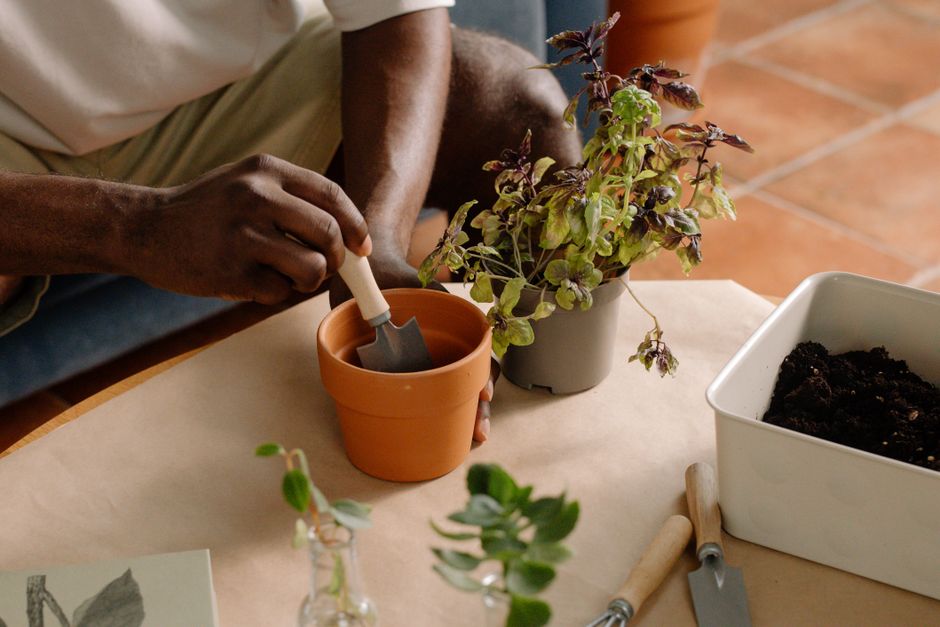
The first step, and one of the most important, is deciding where you will set up your garden. Most vegetable plants need direct sunlight to grow well. Look for a spot in your home that receives at least 5 to 6 hours of sun per day. This could be a balcony, a terrace, a patio, or even a windowsill if it’s sunny and large enough.
Observe how the sun moves throughout the day in your space. Plants like tomatoes, peppers, or eggplants need a lot of sun. Leafy greens such as lettuce or spinach tolerate a bit more shade, especially on hotter days. If you don’t have a spot with direct sun, don’t get discouraged; you can start with crops that require less light or use special grow lights.
Soil Preparation and Fertility Enhancement
Besides light, consider convenience. Do you have easy access for watering? Is it protected from strong winds that could damage young plants? An accessible location will make daily tasks easier and motivate you to care for your garden.
Once you have the location, it’s time to think about the soil or substrate. If you’re using pots or containers, it’s best not to use garden soil directly, as it can be compacted and lack the necessary nutrients. Purchase a good quality potting mix. These mixes are usually light, retain moisture well, but also drain excess water, which is crucial to prevent root rot.
If you’re using a ground space, like a garden bed, it’s important to improve the existing soil. You can mix it with compost or organic fertilizer. This adds nutrients, improves structure, and helps water filter better. The goal is for the soil to be loose, airy, and rich in organic matter. Roots need space to grow and absorb everything they need.
You can make your own compost with kitchen scraps and garden waste. It’s an economical and ecological way to improve your soil. If you don’t have compost, you can buy bags of organic soil from nurseries or garden centers. Ensure the soil drains well; if a puddle forms after watering that takes a long time to disappear, the soil is too compacted.
Selection of Fast-Growing Vegetables and Herbs
For your first garden, it’s best to choose crops that are resilient and yield results relatively quickly. This will help you stay motivated. Some excellent options for beginners include:
- Lettuce and other leafy greens: They grow quickly, you can harvest them continuously (by picking outer leaves), and they don’t require as much sun as other vegetables.
- Radishes: They are very fast-growing, sometimes you can harvest them in less than a month.
- Cherry tomatoes: They are hardier than large tomatoes and usually produce a lot of fruit. They need sun, but are rewarding.
- Aromatic herbs: Basil, parsley, oregano, mint. They are easy to care for, you can use them in your cooking daily, and many grow well in small pots.
- Carrots: If you have a deep pot, you can grow carrots. Choose short varieties to start.
Avoid starting with crops that require very specific care, are prone to pests, or take a long time to bear fruit. As you gain experience, you can dare to try more complex varieties.
Watering correctly is fundamental. Most problems in home gardens are due to improper watering, either too much or too little. The golden rule is to check the soil moisture before watering.
Watering Protocols and Soil Moisture Detection
Insert a finger into the soil up to the second knuckle. If you feel it’s dry, it’s time to water. If it’s still moist, wait another day. Plants need water to live, but if their roots are constantly soaked, they suffocate and can rot. On the other hand, if the soil dries out completely, the plant experiences stress and may stop growing or lose its leaves.
The watering frequency will depend on the climate, the type of plant, and the size of the pot or container. In summer, with high temperatures, you will likely need to water every day or every other day. In winter, watering will be much less frequent. Try to water early in the morning or at dusk to prevent water from evaporating quickly in strong sun.
Water directly onto the soil, avoiding wetting the leaves as much as possible. This helps prevent fungal diseases. If you are using pots, make sure they have drainage holes so excess water can escape. If water accumulates in the saucer beneath the pot, empty it after a while.
Starting your garden is a continuous learning process. Each plant, each season, will teach you something new. The most important thing is to enjoy the process, observe your plants, and learn from them. With these basic steps, you have everything you need to start growing your own fresh food at home.
Related Articles
Children's Horticulture: Integrated Development and Environmental Sustainability Through Cultivation
Children's gardening fosters cognitive, emotional, and civic skills, building an early understanding of sustainability and biodiversity.

Container Horticulture: Plant Selection, Substrates, and Integrated Urban Management
Optimizing container gardens: species selection, substrates, drainage, light, efficient irrigation, and organic management for urban sustainability.
Fragaria × ananassa on Balconies: Variety Selection, Substrates, and Environmental Management
Technical guide for growing strawberries in urban environments, covering variety selection, substrates, irrigation, and fertilization.

Ornamental Edible Gardens: Design, Selection, and Sustainable Management
Integrating aesthetics and production in gardens: species selection, design principles, organic management, and applied technologies.