Design and Maintenance of Herb Spirals for Home Cultivation
Detailed instructions for creating a herb spiral: site selection, substrate, cultivation, watering, and pruning/harvesting tips.

Optimal Location and Sunlight Exposure for Aromatic Herbs
Creating an aromatic herb spiral at home is a fantastic way to have fresh ingredients on hand for cooking and to enjoy their fragrances. Furthermore, with a well-thought-out design, it can become a very attractive decorative element for your balcony, patio, or garden.
1. Choose the Right Location
Most aromatic herbs need plenty of sun to grow strong and develop their full flavor. Look for a spot where they will receive at least 6 hours of direct sunlight per day. If your space is shadier, don’t worry; there are herbs that adapt well to partial shade, such as mint or parsley. Observe how the sun moves across your home throughout the day to find the ideal site. Also, consider protection from strong winds, which can damage young plants.
2. Prepare the Ideal Substrate
Preparing Substrate Mixes for Drainage and Retention
The secret to healthy herb growth lies in the soil. You need a substrate that drains well to prevent root rot from excess water, but also retains some moisture. A good mix can be made by combining garden soil (if it’s good quality), well-rotted compost, and a bit of coarse sand or perlite to improve drainage. If you’re using pots or containers, a good quality universal potting mix blended with some compost usually works very well. The goal is for the soil to be loose and airy, allowing the roots to breathe.
3. Select the Right Herbs
To start, choose herbs you like and know you’ll use in your cooking. Some very popular and easy-to-care-for options include:
- Rosemary: Needs plenty of sun and little watering once established. Ideal for dry climates.
- Thyme: Similar to rosemary, prefers sun and good drainage. Tolerates drought well.
- Basil: Loves the sun and requires regular watering, without waterlogging. It is sensitive to cold.
- Parsley: Grows well in full sun or partial shade. Requires consistent watering.
- Mint: It is vigorous and adapts to different light conditions, though it prefers some shade in very hot climates. Be careful! It tends to spread, so it’s better to plant it alone or in a pot.
- Chives: Easy to grow, likes sun and moderate watering.
- Oregano: Needs sun and a substrate that drains very well.
Species Selection and Grouping by Water Needs
When selecting herbs, consider their light and water requirements. Group those with similar needs to simplify care. For example, Mediterranean herbs like rosemary, thyme, and oregano prefer drier, sunnier conditions, while basil and parsley appreciate a bit more moisture and protection from the strong midday summer sun.
4. Watering: Key to Success
Each herb has its preferences, but generally, it’s best to water when the top layer of the substrate feels dry to the touch. Avoid overwatering; it’s one of the most common causes of problems with herbs. If you notice the soil takes a long time to dry out, you might need to improve drainage by adding more perlite or sand. In summer, with the heat, you may need to water more frequently, while in winter, the frequency will decrease. It’s preferable to water in the early morning or late evening so that water doesn’t evaporate too quickly and the plants don’t suffer heat stress.
Additional Tips for Your Herb Spiral:
Watering and Fertilization Guidelines for Sustained Growth
- Regular Pruning: Pruning your herbs not only keeps them compact and tidy but also stimulates bushier growth and extends the harvest season. Cut young stems to use in the kitchen.
- Fertilizing: Most herbs don’t need much fertilizer. A little compost added to the substrate at planting time is usually sufficient. If you notice the leaves losing color or growth slowing down, you can apply a diluted liquid fertilizer for herbs every month or two during the growing season.
- Harvesting: Harvest herbs regularly, preferably in the morning after the dew has dried. This helps keep the plants vigorous and ready to produce more.
Building and maintaining a herb spiral is a rewarding activity that will connect you with nature and enhance your meals. Enjoy the process and the aromas and flavors your own herbs will provide!
Related Articles

Container Horticulture: Substrate, Species, and Management for Urban Spaces
Enhance urban container gardening: learn about substrates, adapted species, and management techniques for balcony and terrace gardens.
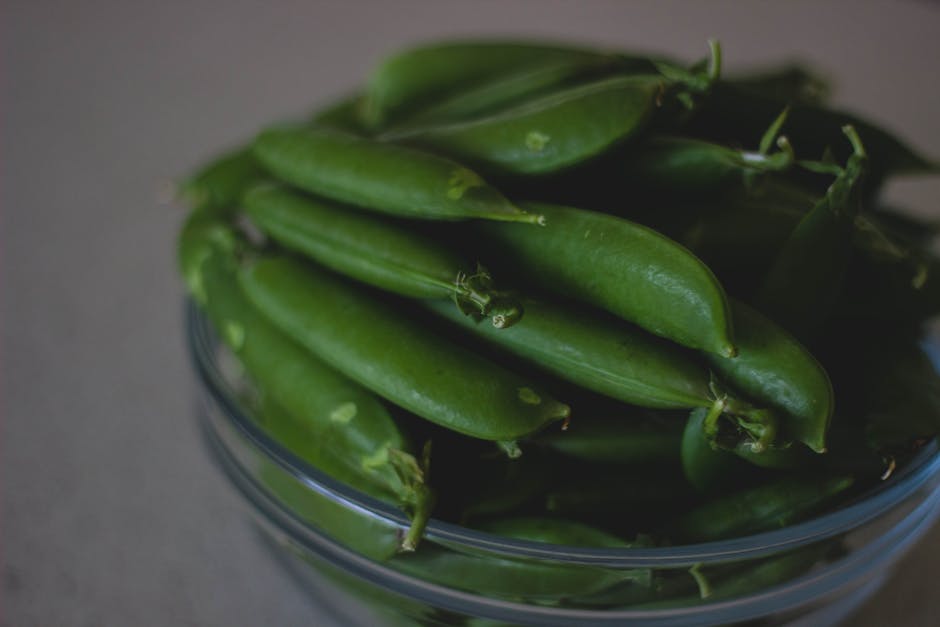
Legumes in the Home Garden: Sustainable Cultivation and Nutritional Benefits
Learn to grow legumes like beans, peas, and lentils to enhance your diet and garden soil fertility.

Home Horticulture: From Space Selection to Sustainable Harvesting
Establish your urban garden: optimize space, choose substrates, plant easy crops, and manage pests organically for fresh harvests.

Establishing Home Gardens: Selecting Space, Substrate, Crops, and Essential Care
A guide to starting a home garden, covering space selection, substrate preparation, crop choice, watering, nutrition, and pest control.