Home Horticulture Principles: Selecting Space, Substrate, Crops, and Basic Management
Establish a home garden by optimizing light and containers, selecting fertile substrates, choosing simple crops, and applying proper irrigation and nutrition.
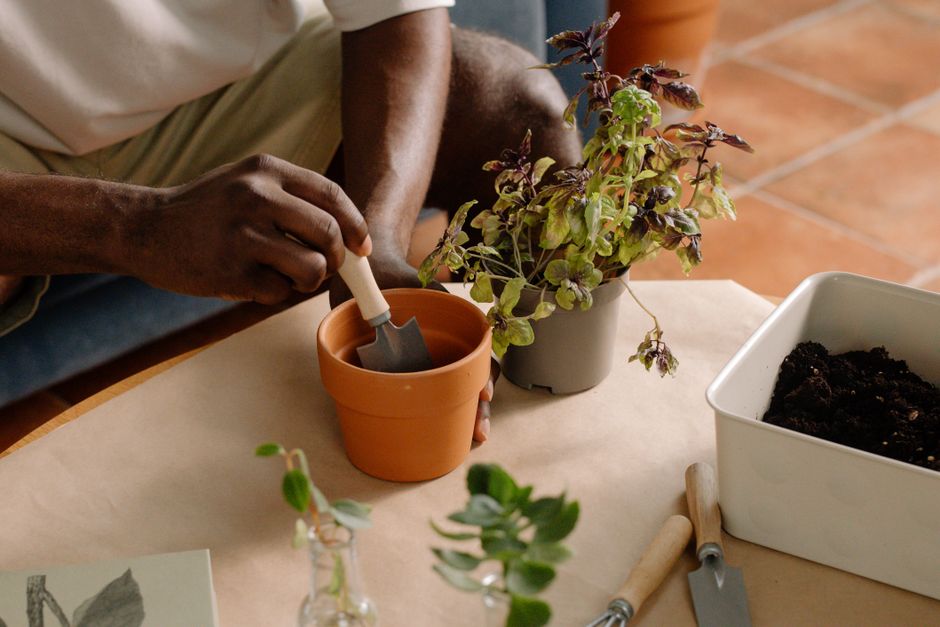
Choosing the Right Location and Containers
Starting a home garden from scratch might seem complicated, but with a few steps and attention to detail, anyone can grow their own fresh vegetables and herbs. You don’t need a large yard; a balcony, a small patio, or even a few well-placed pots are enough to begin cultivating your own food. The key is to choose the right elements and understand the basic needs of plants.
The first step is deciding where you’ll set up your garden. Most vegetables need at least 5-6 hours of direct sunlight per day. Observe your home throughout the day to see which areas receive the most sunlight and for how long. If you have a balcony, look for the side that gets the most sun, generally facing north in the Southern Hemisphere. If you have a patio, you might be able to utilize a sunny corner.
Once you have the location, think about containers. Pots, planters, wooden crates, or even recycled bottles can work. The important thing is that they have good drainage. Make holes in the bottom if they don’t have them so excess water can escape, preventing root rot. The size of the pot will depend on what you plan to plant. Lettuces or herbs don’t need as much space as tomatoes or peppers.
Soil Preparation and Organic Enrichment
Soil is fundamental for your plants to grow healthily. Do not use common garden soil in pots, as it tends to compact and does not drain well. The ideal approach is to use a special potting mix or prepare your own by combining topsoil, compost, and some perlite or vermiculite to improve drainage and aeration. Good, loose soil rich in nutrients is the foundation for everything.
If you are setting up a garden in the ground, it’s beneficial to till the soil and add compost or organic fertilizer to improve its quality. This will provide your plants with everything they need to start growing strong.
For those just starting out, it’s best to choose easy and fast-growing crops. Aromatic herbs like basil, parsley, mint, or chives are excellent options. They grow well in pots, don’t require much space, and you’ll use them constantly in the kitchen.
Selecting Crops for Beginners and Small Spaces
Other ideal vegetables for beginners include: lettuces and other leafy greens (spinach, arugula), turnips, radishes, and carrots (the latter require a slightly deeper pot). Cherry tomatoes are also a good choice, as they tend to be more resilient and productive in small spaces. For now, avoid crops that require a lot of space or very specific care, such as watermelons or large pumpkins.
Watering is one of the most important care aspects. The frequency will depend on the climate, the type of plant, and the size of the pot. Generally, it’s best to water when the top layer of soil feels dry to the touch. Avoid both overwatering and underwatering. Yellowing leaves can be a sign of either problem. If you are using pots, the soil dries out faster, so you may need to water daily in the summer.
In addition to watering, your plants will need nourishment. If you used good soil initially, they will have nutrients for a while. But as they grow, you’ll need to replenish them. You can use organic liquid fertilizers periodically, following the product instructions. Compost or worm castings are excellent options to add to the soil occasionally.
Managing Irrigation and Nutritional Supplementation
In a home garden, pest problems are usually less severe than in large-scale cultivation, but they can still appear. Observe your plants regularly to detect insects or signs of disease. If you see aphids (small green or black insects), you can remove them with a spray of water or use potassium soap diluted in water, which is a safe organic insecticide.
Keeping plants healthy with good soil, adequate sunlight, and proper watering is the best way to prevent problems. A strong plant is less prone to illness or pest attacks. Also, ensure plants have enough space to grow without being too crowded, allowing for good air circulation.
Starting a home garden is a learning process. Don’t get discouraged if something doesn’t turn out perfectly at first. Each plant, each season, will teach you something new. Enjoy the process of watching your own food grow and the satisfaction of harvesting something you cultivated yourself. Get your hands in the soil!
Related Articles
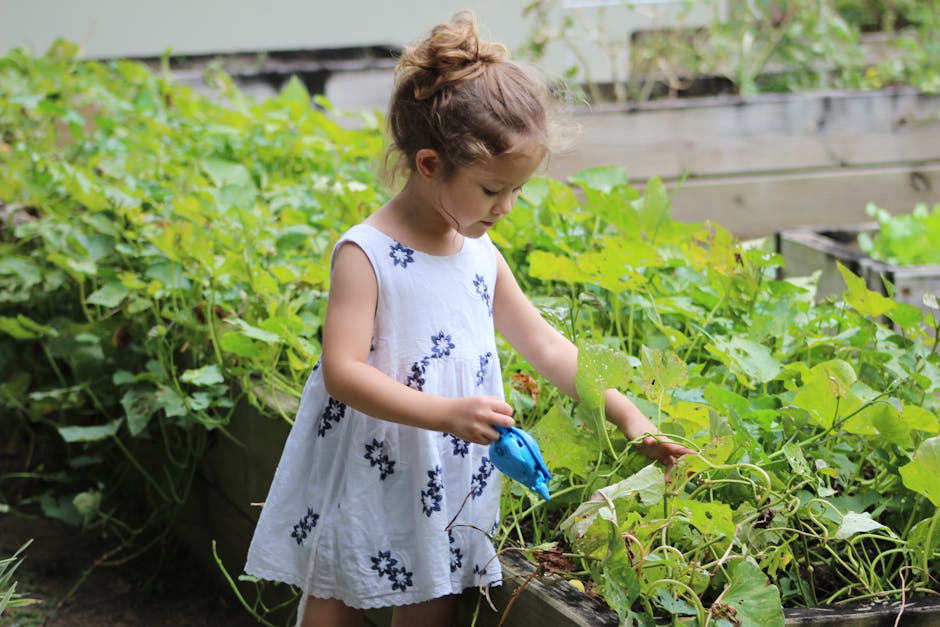
Children's Horticulture: Integrated Development and Environmental Sustainability Through Cultivation
Children's gardening fosters cognitive, emotional, and civic skills, building an early understanding of sustainability and biodiversity.
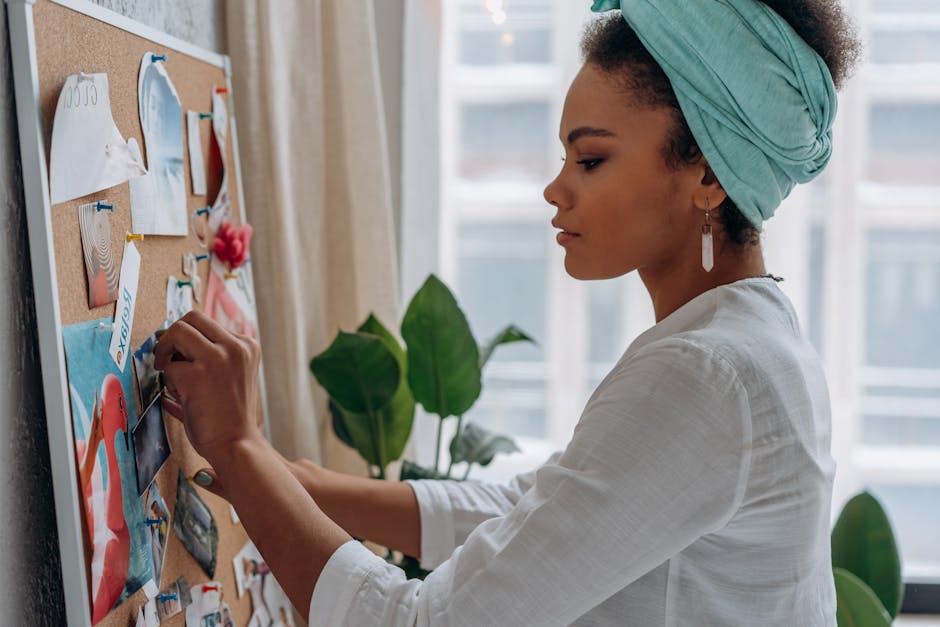
Breathe Easy: Unleash the Power of Air-Purifying Plants in Your Home
Learn how common houseplants can naturally cleanse your indoor air, boosting well-being and transforming your living spaces into a healthier oasis.

Complete Urban Gardening Guide for Beginners
Learn how to create your own urban garden from scratch with practical tips and sustainable techniques adapted to South American climate.
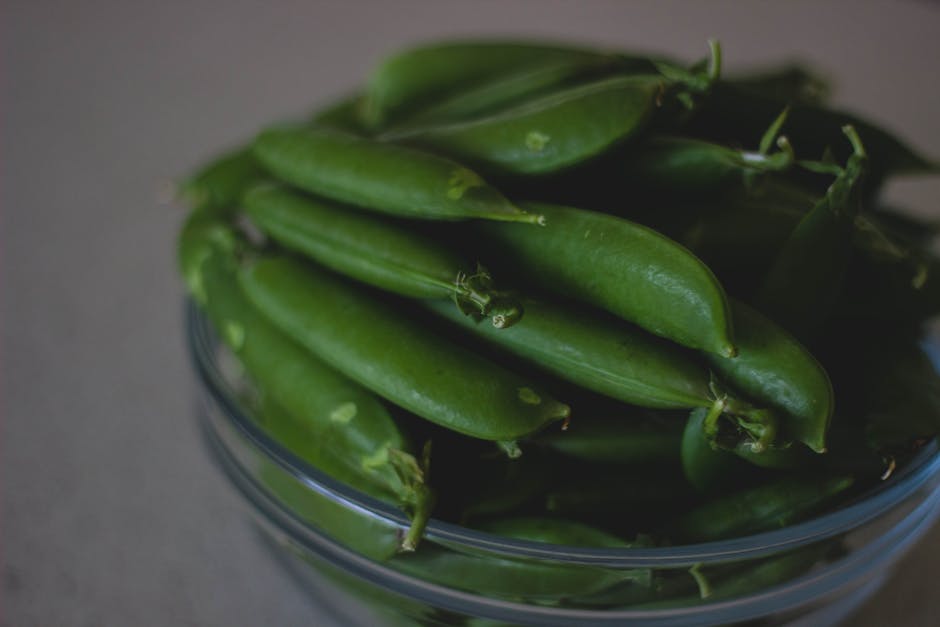
Legumes in the Home Garden: Sustainable Cultivation and Nutritional Benefits
Learn to grow legumes like beans, peas, and lentils to enhance your diet and garden soil fertility.