Argentine Agroecology: Beneficial Insect Conservation & Biological Control
Agroecological advancement in Argentina: using predators and parasitoids, biological corridors, and plant biodiversity for pest control.
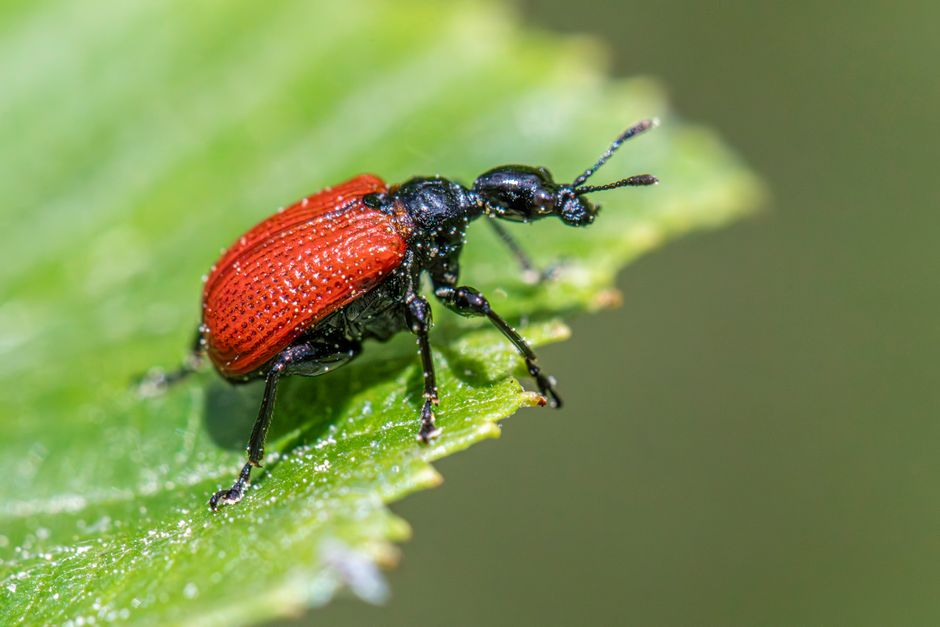
Functional Classification of Biological Control Agents
The transition towards agroecological production models in Argentina has fueled interest in biological control, a strategy that employs living organisms to reduce pest populations below the economic damage threshold. Unlike conventional chemical control, this method seeks to restore ecological balance in gardens or extensive crops, fostering the presence of natural enemies that coexist within the ecosystem. In regions like the Humid Pampa or the Río Negro Valley, the integration of beneficial insects helps decrease reliance on external inputs and improve soil resilience.
Beneficial insects are primarily divided into two critical categories based on their interaction with the pest: predators and parasitoids. Understanding this distinction is fundamental to designing an effective integrated management strategy.
- Predators: These are organisms that consume multiple prey throughout their life cycle. An emblematic example in the Río de la Plata region’s gardens is Eriopis connexa (a type of ladybug), whose larvae and adults voraciously feed on aphids. Another essential ally is Chrysoperla externa, known as the ‘lacewing’, whose larvae possess prominent mandibles capable of decimating mealybug and mite colonies.
Conservation and Promotion of Beneficial Insect Populations
- Parasitoids: These insects have a more specialized development. The female deposits her eggs inside or on the body of the host (the pest). Upon hatching, the parasitoid larva gradually consumes the host. Wasps of the genus Aphidius are crucial in controlling aphids in greenhouse vegetable crops, where they ‘mummify’ the aphid, transforming it into a capsule from which a new wasp will emerge.
The effectiveness of biological control depends not only on releasing insects but also on creating an environment that ensures their survival and reproduction.
- Establishment of Biological Corridors: Planting floral strips with species like Alyssum maritimum (sweet alyssum) or Calendula officinalis (calendula) provides nectar and pollen, vital energy sources for the adults of many beneficial insects. These areas act as refuges during harvest periods or selective phytosanitary applications.
- Management of Plant Biodiversity: The presence of plants from the Umbelliferae family (fennel, dill, flowering parsley) attracts hoverflies, whose larvae are excellent aphid controllers, while the adults perform pollination functions.
- Reduction of Disturbances: The use of organic mulching protects ground beetles (carabids), which are soil-dwelling beetles that prey on the larvae of phytophagous insects and snails at night.
Technological Innovations in Pest and Natural Enemy Monitoring
| Beneficial Insect | Target Pest | Recommended Habitat |
|---|---|---|
| Chrysoperla spp. | Aphids, thrips, mites | Dense vegetation, white flowers |
| Orius insidiosus | Thrips, whiteflies | Pepper and corn crops |
| Apanteles galleriae | Wax moths | Areas with honeybee presence |
| Coccinellidae | Mealybugs, aphids | Plants with high foliage density |
The advancement of digital agriculture has transformed how we monitor pest-natural enemy relationships. Currently, the use of monitoring stations equipped with high-resolution cameras and artificial intelligence algorithms allows for real-time species identification, sending alerts to the producer about the optimal time for intervention. In Argentina, various startups are developing bio-inputs based on mass rearing of insects for augmentative releases in high-value crops like blueberries and tomatoes.
Another growing trend is the application of drones for aerial dispersal of parasitoid eggs or lacewing larvae. This method ensures uniform distribution over large areas, reducing crop trampling and optimizing application times. Furthermore, recent research focuses on ‘semiochemicals’, volatile compounds that plants emit when attacked, which can be synthesized to specifically attract beneficial insects to the pest focus.
Practical Application of Biological Control in Home Gardens
For the domestic-scale gardener, observation is the most powerful tool. Before applying any product, even those of organic origin like neem oil, it is imperative to verify the presence of aphid ‘mummies’ or ladybug eggs. If natural balance is at work, human intervention could be counterproductive.
Encouraging the presence of toads and insectivorous birds by installing small water features and nest boxes complements the work of insects. Crop rotation and plant association (like the classic tomato with basil) not only confuse pests with their scent but also offer varied ecological niches for biological controllers.
In conclusion, biological control represents a paradigm shift: from total eradication to population management. By prioritizing ecosystem health and utilizing available technological tools for precise monitoring, it is possible to maintain productive, healthy gardens in complete harmony with the local biodiversity of the Pampas region and the rest of the continent.
Related Articles

Garden Pond Design and Construction: Self-Sufficient Aquatic Ecosystems
Planning, EPDM material selection, excavation & lining methods, and flora/fauna integration for aquatic habitats.

Argentine Quinoa: Adaptation, Genotypes, and Management for Sustainable Production
Analysis of soil-climatic requirements, adapted genotypes, and integrated management strategies to optimize quinoa cultivation in Argentina.
Crop Rotation in Hydroponics: Optimizing Nutrients and Plant Health
Establishes biological and chemical principles for hydroponic rotation, mitigating saline imbalances and pathogens through species alternation.

Schinus longifolius: Adapt, Propagate, Manage for Sustainable Landscaping
Cultivating and establishing Schinus longifolius for resilient landscapes, focusing on efficient propagation, low maintenance, and ecological benefits.