Xeriscaping: Species Selection and Design Principles for Water Conservation
Xeriscaping fundamentals: drought-tolerant flora selection, design techniques, and management to optimize water use in gardens and landscapes.
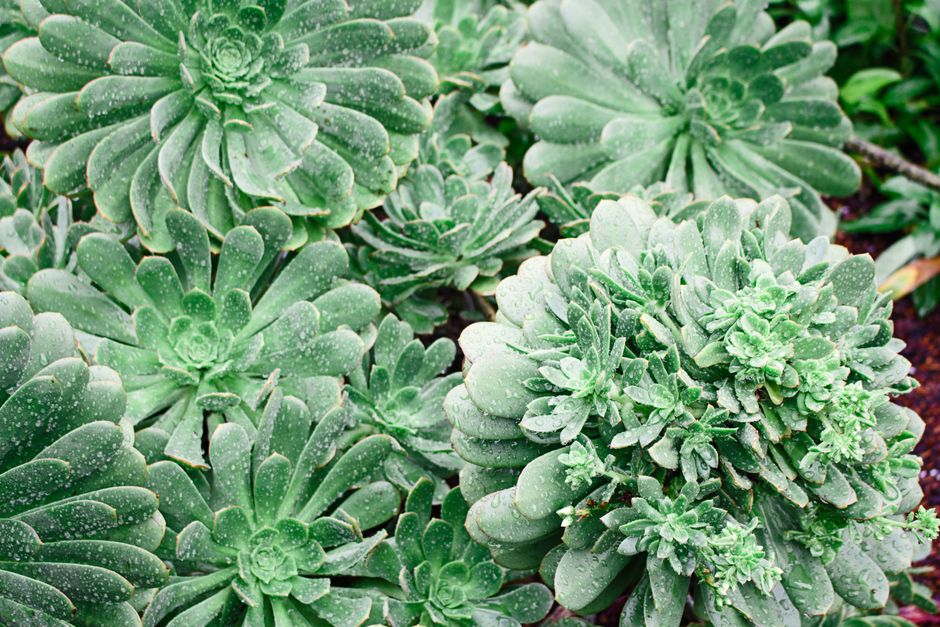
Principles of Xeriscaping and Plant Adaptation
Efficient water management is a growing priority in contemporary landscape design and gardening. Facing the challenges of climate change and regional water variability, selecting drought-tolerant plants is a fundamental strategy for creating resilient, low-maintenance green spaces. This approach, known as xeriscaping, not only significantly reduces water consumption but also promotes ecosystems more harmonious with the natural environment, offering a unique and sustainable aesthetic. Implementing these practices is particularly relevant in contexts like Argentina and much of Latin America, where water resource conservation has become imperative.
Xeriscaping is based on design principles that minimize the need for supplemental irrigation. This includes grouping plants with similar water requirements, optimizing soil preparation to improve moisture retention, and applying mulch to reduce evaporation. A key factor in this system is the choice of plant species intrinsically adapted to low water availability. These adaptations can be morphological, such as succulent or reduced leaves, waxy cuticles, or deep and extensive root systems. Physiologically, some plants exhibit CAM or C4 mechanisms for more efficient photosynthesis in arid environments, minimizing transpiration. Understanding these biological mechanisms is essential for informed selection.
Morphophysiology of Aridity-Resistant Species
Identifying suitable plants for dry environments relies on analyzing their anatomical and functional characteristics. Succulents, such as the genera Sedum or Agave, store water in their tissues, while others, like various species of Salvia or Lavandula, possess small leaves covered in trichomes that reduce water loss through transpiration. Trees and shrubs with taproots, like the carob tree (Prosopis alba) or the chañar (Geoffroea decorticans), explore the subsoil for deep moisture. Innovations in developing new botanical varieties also offer improved options, with hybrid cultivars combining drought resistance with desirable ornamental attributes. Recent studies from INTA [https://inta.gob.ar/documentos/el-algarrobo-una-especie-nativa-con-alto-potencial-para-la-produccion-de-alimentos-y-forrajes] highlight the value of native species for their resilience and their role in local biodiversity.
Creating a drought-tolerant garden requires careful planning. A fundamental technique is hydrozoning, which involves dividing the space into areas with different irrigation needs. The “oasis zone” may receive minimal supplemental irrigation, while “drought zones” rely almost exclusively on rainfall. Soil preparation is vital; incorporating organic matter improves its structure, increasing its capacity to retain water and nutrients. Applying organic mulches, such as wood chips or gravel, is an effective practice for maintaining stable soil temperature, suppressing weeds, and reducing evaporation. Emerging technologies, like soil moisture sensors connected to smart irrigation systems, allow for even more precise water management, optimizing every drop.
Hydrozoning and Soil Preparation
Once established, a xeriscape garden requires differentiated maintenance. Watering should be deep and less frequent, encouraging the development of longer, more robust roots. Fertilization is reduced, as drought-adapted plants typically thrive in less rich soils. Weed control is important, although mulching helps significantly. Choosing native species, in addition to their drought tolerance, benefits local fauna, such as pollinators and beneficial insects, contributing to ecosystem health. Movements like permaculture and regenerative agriculture promote the integration of these practices, seeking self-sufficiency and biodiversity restoration. The Fundación Vida Silvestre Argentina [https://www.fundacionvidanativa.org.ar/] offers valuable resources on using native flora for conservation.
The adoption of xeriscaping represents an evolution in the conception of green spaces, moving from a resource-intensive model to one that celebrates adaptability and sustainability. By strategically selecting plants and applying efficient design principles, it is possible to create beautiful gardens that thrive with minimal water, actively contributing to the conservation of a vital resource and the promotion of local biodiversity. This approach offers a practical and aesthetically rewarding solution to current environmental challenges, transforming gardening into an act of ecological responsibility.
Related Articles

Ecological Garden Design and Management for Monarch Butterfly Conservation
Establishing sanctuaries for Danaus plexippus: selecting milkweed, nectar sources, habitat, and sustainable management practices.

Adaptive Gardening in the Sonoran Desert: Water Conservation and Biodiversity
Utilizes water conservation techniques, native xerophyte selection, and monitoring technologies to create sustainable oases in arid ecosystems.

Botanical Adaptations and Cultivation Techniques in Andean Páramos
Soil management, irrigation, climate protection, and species selection for resilient high-mountain Andean gardening.

Festuca gracillima: Adaptations, Cultivation & Steppe Role
Analysis of the Patagonian grass *Festuca gracillima*: morphology, ecology, establishment, and sustainable use in landscaping and environmental restoration.