Design and Maintenance of Home Medicinal Gardens: Sustainability and Well-being
Implementing medicinal herb gardens: planning, substrate, sustainable cultivation, phytosanitary management, and active principle conservation.
Environmental Factors and Selection of Adapted Species
The establishment of a medicinal herb garden represents an investment in personal well-being and home sustainability. Beyond their aesthetic value, these plants offer an accessible natural pharmacy and a space for connection with nature’s cycles. Integrating herbs with therapeutic properties into the domestic environment allows for the exploration of ancestral and contemporary phytotherapy practices. This article details the essential considerations for designing and maintaining a cultivated space that not only beautifies but also provides resources for daily health and balance.
Rigorous planning constitutes the foundation of a successful medicinal herb garden. A detailed site analysis is fundamental, evaluating solar exposure, prevailing wind direction, and water source availability. Most medicinal herbs thrive with at least six hours of direct sunlight daily. For urban environments or partially shaded patios, the use of pots or raised beds allows for adjustment of solar exposure through relocation.
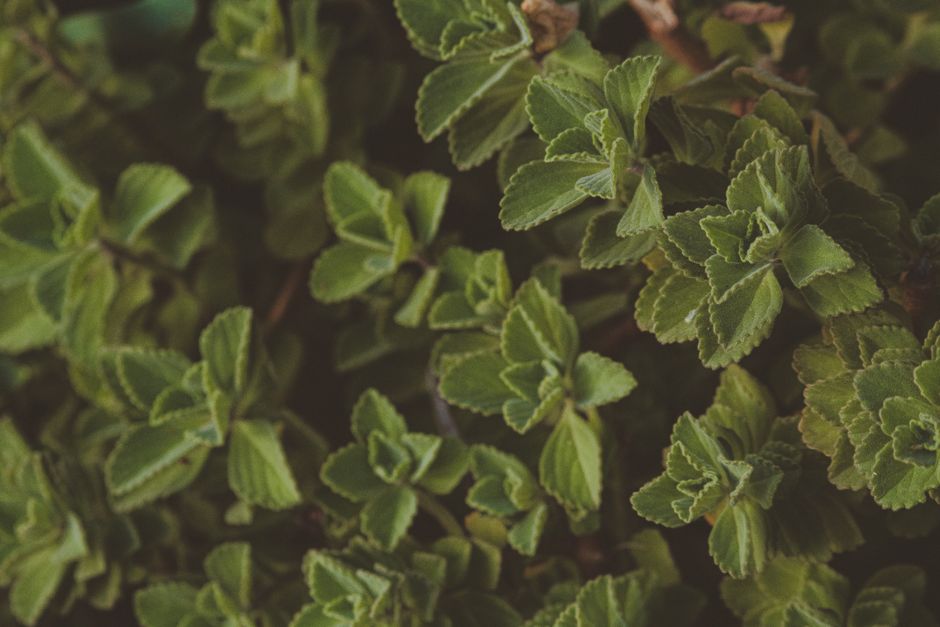
The selection of species should consider both the desired therapeutic properties and adaptability to the local climate and soil type. In regions like Argentina and Latin America, herbs such as chamomile (Matricaria chamomilla), spearmint (Mentha spicata), lavender (Lavandula angustifolia), rosemary (Rosmarinus officinalis), calendula (Calendula officinalis), and aloe vera (Aloe barbadensis Miller) are robust and versatile options. It is relevant to research native or adapted varieties that exhibit greater resistance to specific climatic conditions and contribute to local biodiversity. For example, INTA (National Institute of Agricultural Technology) in Argentina has promoted studies on the adaptation of various aromatics to different microclimates, facilitating the choice of optimized cultivars. The incorporation of species that attract pollinators, such as borage (Borago officinalis) or hyssop (Hyssopus officinalis), fosters a balanced and resilient ecosystem.
Substrate Formulation and Moisture Conservation
The quality of the substrate is crucial for the vigor and concentration of active principles in medicinal herbs. A well-drained soil, rich in organic matter, and with a neutral to slightly alkaline pH (6.0-7.5) is ideal. Preparation involves incorporating mature compost or vermicompost, which improve soil structure, moisture retention capacity, and fertility. These organic amendments are pillars of regenerative agriculture, promoting soil microbial health, a critical factor for the development of robust and nutritious plants.
For container cultivation, a mixture of garden soil, compost, and perlite or vermiculite ensures adequate drainage and root aeration. Choosing containers made of porous materials, such as terracotta, promotes transpiration and prevents waterlogging.
The implementation of water conservation techniques is essential. Mulching with plant debris, wood chips, or straw reduces evaporation, suppresses weed growth, and moderates soil temperature. Efficient irrigation systems, such as drip irrigation or capillary irrigation in pots, minimize water consumption. Rainwater harvesting for irrigation represents an advanced sustainability strategy, particularly relevant in regions with water stress. Permaculture promotes the design of “swales” or infiltration ditches to leverage terrain topography and maximize water retention.
Organic Phytosanitary Management Protocols
The protection of medicinal herbs against pests and diseases is addressed through an integrated management approach, prioritizing organic and preventive methods. Crop rotation, the use of companion plants that repel harmful insects, and attracting beneficial fauna (ladybugs, lacewings) are effective strategies. Regular inspection of plants allows for early detection of problems, facilitating minimal interventions such as manual pest removal or the application of botanical insecticides based on neem or potassium soap. Recent studies by CONICET have validated the efficacy of plant extracts in controlling certain pests, offering ecological alternatives to synthetic products.
The harvest of herbs should be carried out at the optimal time to ensure the maximum concentration of their active principles. Generally, leaves are collected before flowering, flowers at full bloom, and roots at the end of the growth cycle or in autumn. Proper drying, in a dark, ventilated, and cool place, is crucial for preserving their therapeutic and aromatic properties. Methods such as air drying, using solar dehydrators, or low-temperature electric dehydrators are preferable. Storage in airtight containers, protected from light and moisture, prolongs their shelf life.
Current trends in medicinal gardening emphasize the garden’s connection to holistic well-being. The integration of technologies such as soil moisture sensors to optimize irrigation, or mobile applications for plant identification and health monitoring, while more common in larger-scale gardens, are beginning to gain traction in the domestic sphere, allowing for more precise and efficient care.
Optimizing Harvest and Preserving Active Principles
The design and maintenance of a medicinal herb garden is an enriching practice that merges botany with health and sustainability. By applying principles of careful planning, soil enrichment, and ecological management, a vibrant space is cultivated that offers natural resources for well-being. This holistic approach, rooted in an understanding of natural cycles and enhanced by innovation, transforms any corner into a sanctuary of greenery and health, contributing to personal and environmental resilience.
Related Articles

Home Viticulture: Varietal Selection, Substrate Management, and Phytosanitary Protocols
Establishing and maintaining home vineyards: Vitis vinifera selection, soil preparation, pruning, irrigation, and pest control for urban cultivation.

Avocado Farming: Climate, Soil, Varieties & Management
Analysis of climatic, edaphic factors, varieties, and agronomic strategies for sustainable avocado production in Latin America.

Apian Communication: Kinematics and Meaning of the Waggle Dance
Analyzes the waggle dance of *Apis mellifera*: encoding direction, distance, and resource quality, and its ecological and technological impact.
Optimizing Raised Beds for Spring Planting: Soil Evaluation and Morphology
Preparing raised beds with soil analysis, organic amendments, morphological design, and mulching for peak plant health and yield.