Optimizing Stone Fruit Pruning for Mediterranean Climates
Adapt pruning techniques (training, fruiting, summer) to Mediterranean conditions for improved crop quality, health, and resilience.
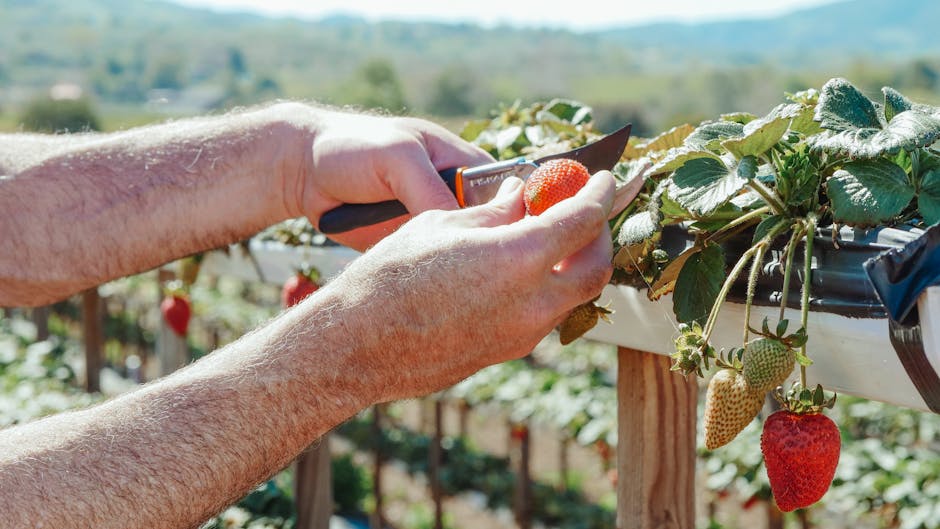
Adapting Pruning Patterns to Mediterranean Microclimates
Pruning stone fruit trees in Mediterranean climates is a fundamental agronomic practice for ensuring abundant harvests and crop longevity. The specific climatic conditions of these regions, characterized by mild winters and hot, dry summers, directly influence tree physiology and necessitate an adapted pruning approach. Proper management not only optimizes the production of high-quality fruit but also promotes the overall health of the tree, enhancing its resistance to diseases and water stress.
Understanding the basic principles of pruning is essential for any horticulturist. For species like peach, plum, apricot, and almond trees, pruning pursues clear objectives: balancing vegetative growth with fruit production, facilitating light penetration and air circulation within the canopy, and maintaining a robust structure. The timing of pruning is critical; while winter pruning (during dormancy) is common to stimulate growth, green or summer pruning gains particular relevance in Mediterranean climates, helping to control vigor and improve fruit quality. Implementing sustainable pruning practices aligns with the growing concern for resource efficiency, especially water, a precious commodity in these latitudes.
Summer Pruning Techniques for Water Stress Mitigation
The application of pruning techniques must be precise and mindful of the specifics of each species and its environment. Training pruning in young trees establishes the initial structure, generally in an open vase shape, ideal for maximizing solar exposure and aeration, key aspects in regions with high insolation. This shape reduces the incidence of fungal diseases and facilitates harvesting operations.
For trees in production, fruiting pruning focuses on renewing the wood that will bear fruit. Mixed branches and spurs are identified and selected, removing those that have already fruited or are unproductive. This process ensures a constant replacement of fertile wood and prevents alternate bearing.
Renewal of Fruit Wood and Tree Structure
Green pruning (summer pruning) is an indispensable strategy in Mediterranean climates. Performed after bud break, it helps moderate excessive growth, redirect plant energy towards fruit development, and improve fruit coloration and sugar content. Furthermore, by reducing leaf mass in summer, it lowers transpiration and, consequently, water consumption, which is crucial during dry periods. This practice also contributes to better ventilation, mitigating the proliferation of pathogens like Monilia.
Pruning management must integrate climatic variables. In areas with a risk of sunburn on trunks and branches, pruning should be done carefully to avoid excessively exposing the tree’s main structure. Removing diseased or damaged wood is a crucial preventive measure against pathologies such as shot hole disease (Stigmina carpophila), which thrive in specific humidity and temperature conditions. Disinfecting pruning tools between trees minimizes disease dissemination.
Integrating Technologies in Precision Pruning
Current trends in fruit growing incorporate precision pruning, where technology plays an increasing role. The use of sap and soil moisture sensors, as well as predictive growth models, allows for the determination of the optimal timing for each intervention, maximizing efficiency and tree response. Regenerative agriculture also influences this, promoting pruning practices that minimize tree stress and contribute to the biodiversity of the orchard ecosystem. Additionally, selecting adapted stone fruit varieties for drought and extreme heat conditions, many developed through genetic improvement programs, can reduce the need for drastic pruning, increasing crop resilience against climate change. These advancements provide valuable tools for growers worldwide seeking to optimize their production in increasingly challenging environments.
In summary, pruning stone fruit trees in Mediterranean climates is a science and an art that requires observation and knowledge. From training pruning to summer and renewal interventions, each cut has a specific purpose: promoting tree health, ensuring consistent and quality production, and strengthening its adaptive capacity to environmental conditions. Adopting these practices not only benefits the current harvest but also invests in the future vitality and productivity of your orchard. To delve deeper into these techniques, institutions like the National Institute of Agricultural Technology (INTA) offer valuable resources on fruit tree management in various regions, such as their publication on peach pruning: https://inta.gob.ar/documentos/poda-de-durazneros.
Related Articles

Chrysanthemum Cultivation Optimization: Substrate, Nutrition, Management, and Sustainability
Advanced techniques for chrysanthemums: substrate, propagation, nutrition, irrigation, and integrated pest control for resilient floriculture.
Fruit Thinning: Fundamentals, Techniques & Precision
Analyzes stone fruit thinning, from physiological bases and techniques (manual, chemical, mechanical) to its impact on quality and AI integration.

Cultivation and Sustainable Management of Myrcianthes pungens (Guaviyú)
Propagation, agronomic management, and harvesting practices for guaviyú, highlighting its nutritional and ecological value for resilient production systems.

Integrated Management of Lettuce Downy Mildew (*Bremia lactucae*)
Cultural, genetic, biological, and technological strategies to control lettuce downy mildew, minimizing environmental impact and ensuring harvests.