Crop Rotation by Botanical Families: Ecological Principles and Planning for Sustainable Horticulture
Disrupt pest and pathogen cycles by alternating botanical families, enhancing soil health and crop resilience.
Taxonomic Principles for Crop Sequencing
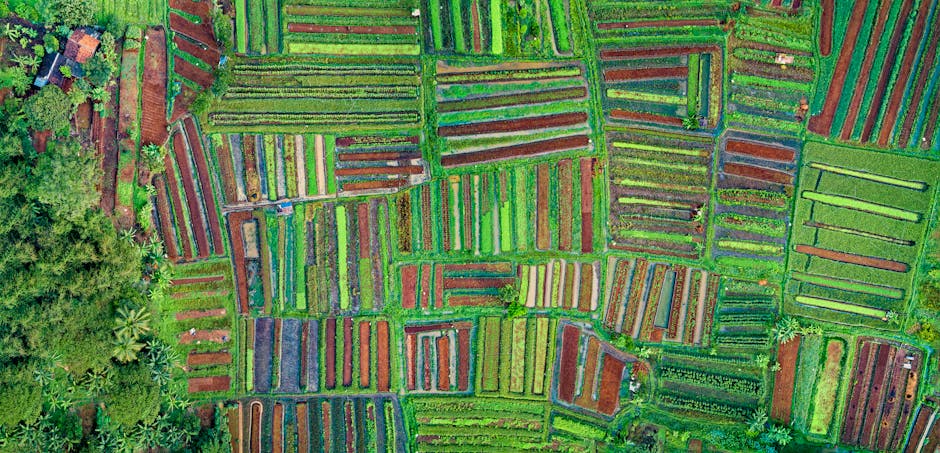
Crop rotation, an age-old agricultural strategy, gains critical relevance in contemporary horticulture, especially when applied with a focus on plant botanical families. This fundamental practice not only optimizes long-term soil health but also establishes a robust defense against pests and diseases. Implementing crop sequences that alternate species from different taxonomic groups is a cornerstone for sustainable and resilient production systems, adapting to the demands of regenerative agriculture and biodiversity in urban and rural gardens.
The foundation of effective rotation lies in understanding the interactions between plants and their soil environment, mediated by their belonging to distinct botanical families. Each plant group, such as Solanaceae (tomato, potato), Leguminosae (peas, beans), Cruciferae (broccoli, cabbage), Cucurbitaceae (squash, cucumber), or Allium (onion, garlic), presents specific nutritional requirements, root patterns, and susceptibility to distinct pathogens and pests. For instance, legumes, through their symbiosis with nitrogen-fixing bacteria, enrich the soil with this vital macronutrient, benefiting subsequent crops. In contrast, Solanaceae are heavy potassium consumers and can host diseases like late blight, which persists in the soil. Alternating these families disrupts the life cycles of specific pathogens and pests and promotes a more balanced nutritional profile in the substrate. Diversification fosters beneficial microbial activity and improves soil structure, key aspects for agroecosystem resilience.
Designing Rotation Cycles and Plot Mapping
The design of a crop rotation plan by botanical families requires careful planning, typically spanning three to four-year cycles. A common sequence might begin with plants from the Leguminosae family, known for their ability to fix atmospheric nitrogen and enrich the soil. These would be followed by leafy or fruiting vegetables (like Solanaceae or Cucurbitaceae), which benefit from residual nitrogen. Subsequently, root vegetables (such as Umbelliferae or Chenopodiaceae) could be introduced, helping to improve soil structure with their taproots and having different nutritional requirements. The key is to avoid growing the same family in the same plot for at least two or three consecutive cycles. It is essential to map the garden and keep detailed records of crops by sector each season. Integrating digital tools, such as garden planning applications, facilitates tracking rotations and identifying patterns, optimizing space and resource management. For more information on the importance of crop rotation, consult resources from INTA Argentina on this topic: https://inta.gob.ar/documentos/la-rotacion-de-cultivos-en-la-huerta.
The benefits of a well-executed rotation manifest on multiple levels, directly impacting soil health and plant sanitation. The disruption of life cycles of specific soil pathogens, such as Phytophthora infestans in Solanaceae or Plasmodiophora brassicae in Cruciferae, drastically reduces disease incidence. This strategy decreases the need for chemical interventions and enhances biological control mechanisms. Furthermore, the variation in root architecture among different families improves soil aeration and water infiltration, contributing to optimal soil structure. The diversity of root exudates fosters a richer and more resilient microbial community, essential for organic matter decomposition and nutrient availability. Recent studies in agroecology demonstrate that crop diversification through rotation by botanical families not only increases soil microbial biomass but also enhances the resilience of agricultural ecosystems to extreme weather events. Permaculture, for example, integrates these principles to design self-sufficient and resilient production systems, as detailed in initiatives by organizations like https://www.permacultura.org.ar/. The FAO also highlights sustainable land and crop management as a fundamental pillar: https://www.fao.org/land-water/land/sustainable-land-management/integrated-crop-management/es/.
Enhancing Soil Structure and Microbial Resilience
The conscious implementation of crop rotation, prioritizing distinct botanical families, represents a strategic investment in the longevity and productivity of any garden. This practice, rooted in ecological principles, not only protects natural resources but also strengthens the land’s capacity to nurture robust and healthy crops. Adopting this approach is a decisive step towards more sustainable horticulture adapted to current environmental challenges.
Related Articles

Seed Conservation: Preparation, Storage, and Long-Term Viability
Article details seed preparation, drying, and storage methods to maintain genetic viability for agricultural sustainability and biodiversity.

Oak Decline Syndrome in Quercus: Etiology, Management, and Climate Adaptation
Addresses the etiology of decline in holm and cork oaks, biotic/abiotic factors, preventive/corrective strategies, and climate change adaptation.

Sustainable Alfalfa Caterpillar Management in Gardens
Biological, cultural, and biopesticide control strategies for managing the alfalfa caterpillar, promoting ecosystem biodiversity and resilience.

Psidium guajava in Uruguay: Edaphoclimatology, Propagation, and Sustainable Management
Explore edaphoclimatic requirements, propagation methods, and agronomic management for guava cultivation, promoting its added value and sustainability.