Eugenia pyriformis: Propagation, Agronomic Management, and Cultivation Potential
Establishing Uvaia (Eugenia pyriformis): Edaphoclimatic requirements, propagation methods, agronomic management, and plant health.

Edaphoclimatic Requirements for Eugenia pyriformis
The uvaia (Eugenia pyriformis), a native fruit tree of the Atlantic Forest, is emerging as a species of growing interest for diversifying orchards and gardens in various regions of Latin America, including Argentina. Its adaptability and the nutritional value of its fruits position it as a sustainable option, aligning with trends in cultivating native species and promoting local biodiversity. The integration of native fruit trees into permaculture and regenerative agriculture systems not only contributes to ecosystem resilience but also offers products with unique flavors and beneficial properties.
Edaphoclimatic Requirements for Eugenia pyriformis
Successful establishment of the uvaia in a cultivation setting demands a precise understanding of its environmental needs. This species thrives in subtropical to warm temperate climates, characterized by good sun exposure. A minimum of six hours of direct sunlight daily is crucial for optimal fruiting. Regarding low-temperature tolerance, young uvaia is more sensitive to frost, requiring winter protection in at-risk areas. Mature specimens demonstrate greater tolerance, withstanding moderate temperature drops.
Soil composition plays a decisive role. Uvaia prefers deep, well-drained soils with a slightly acidic to neutral pH (between 5.5 and 7.0). Incorporating organic matter, such as mature compost or worm castings, significantly improves soil structure, moisture retention capacity, and nutrient availability. In clayey or heavily compacted soils, amendments are essential to ensure adequate drainage and prevent waterlogging, which can lead to root rot.
Propagation and Establishment of Uvaia Plants
Uvaia is primarily propagated by seeds, although vegetative propagation through cuttings or air layering is also viable and allows for the preservation of the mother plant’s genetic characteristics. For seed propagation, it is recommended to select ripe, fresh fruits. Seeds should be cleaned of pulp and sown as soon as possible, as they lose viability quickly. Pre-soaking in water for 24-48 hours can accelerate germination. Sowing should be done in light, well-drained substrates, maintaining constant moisture and warm temperatures. Germination can be irregular, extending over several weeks or months.
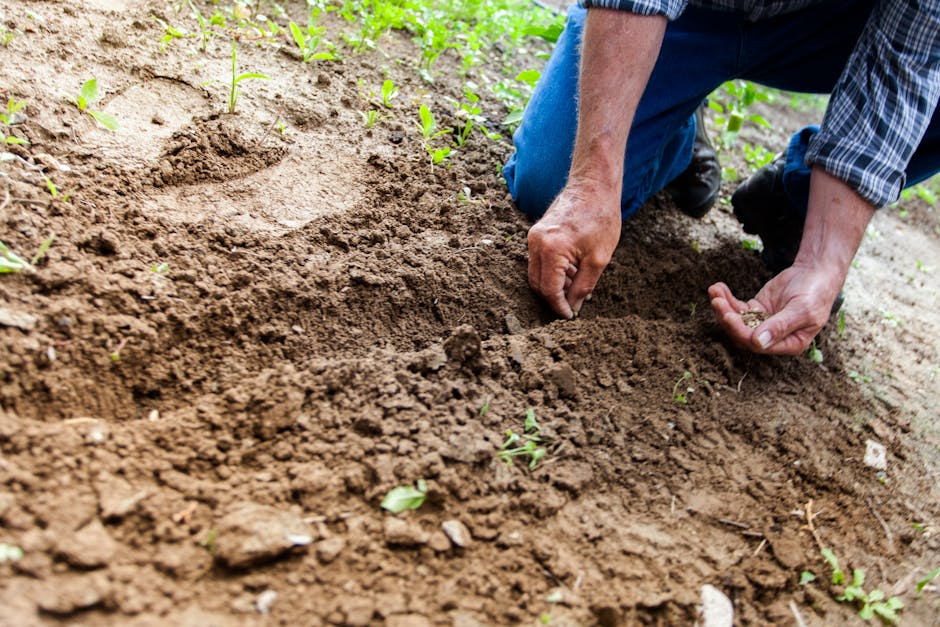
Transplanting to the final site should occur when seedlings have developed at least two pairs of true leaves and a robust root system, generally after 6 to 12 months in the nursery. Preparation of the planting hole is critical: it should be twice the width of the root ball and slightly deeper. Adding compost or organic fertilizer to the bottom of the hole and mixing it with the excavated soil promotes vigorous rooting. Spacing between plants will depend on the orchard design; for full development, a distance of 3 to 4 meters between specimens is suggested. Abundant watering post-transplant is essential to settle the soil and reduce plant stress.
Agronomic Management and Plant Health
Irrigation is a critical factor in uvaia cultivation, especially during dry periods and early growth stages. While the plant is relatively drought-tolerant once established, fruit production benefits from consistent soil moisture. Implementing drip irrigation systems optimizes water use, directing it to the root zone and minimizing evaporation. This technique is fundamental in the context of climate change and the need for efficient water management.
Fertilization should focus on organic inputs. Annual application of well-decomposed compost or bokashi around the base of the tree, without direct contact with the trunk, enriches the soil and provides essential nutrients gradually. Periodic soil analyses can guide the need for specific amendments, although uvaia is not an excessively demanding plant.
Formative pruning is carried out during the first few years to establish a balanced structure with several main branches. Subsequently, maintenance pruning involves removing dead, diseased, or crossing branches, improving air circulation and light penetration. This contributes to the plant’s overall health and better fruiting.
Regarding plant health, uvaia shows good resistance to common pests and diseases. However, regular observation of leaves and fruits allows for early detection of any signs of affliction. Biological control and the application of organic preparations, such as nettle purines or neem extracts, are effective strategies for managing potential problems without resorting to synthetic chemicals. Prevention, through healthy cultivation and a balanced environment, is the best defense.
Uvaia Harvest and Potential
The uvaia begins to fruit between 3 and 5 years of age, depending on cultivation conditions and propagation method. Fruits typically ripen from late spring to early summer, acquiring an intense yellow color and releasing a characteristic aroma. The skin becomes slightly soft to the touch, indicating the optimal harvest point. Harvesting should be done manually, with care to avoid damaging the fruits. Given their delicacy and short post-harvest shelf life, consumption or processing should be prompt.
Uvaia fruits are appreciated for their sweet-tart flavor and high content of vitamin C and antioxidants. They are consumed fresh but are also excellent for making juices, jams, jellies, and desserts. Growing interest in the native fruit agro-industry opens new perspectives for uvaia, promoting its cultivation on a larger scale and research into its nutraceutical properties. Its inclusion in reforestation and ecological restoration projects underscores its environmental value, consolidating it as a key component in building productive and biodiverse landscapes.
The cultivation of uvaia represents a valuable opportunity to enrich the biodiversity of our gardens and contribute to more sustainable food systems. Its adaptability, the benefits of its fruits, and its ecological role make it a species worthy of consideration for any gardener or producer interested in valuing native resources. Fostering its presence is a step towards environmental resilience and food sovereignty in the region.
References:
- Lorenzi, H. (2006). Árboles Brasileiros: Manual de Identificação e Cultivo de Plantas Arbóreas Nativas do Brasil. Instituto Plantarum de Estudos da Flora. https://www.plantarum.com.br/
- Instituto Nacional de Tecnología Agropecuaria (INTA) Argentina. https://inta.gob.ar/
Related Articles

Adapting Gardening to the High Andean Ecosystems of Córdoba
Explores soil-climate analysis, resilient flora selection, water optimization, and biological control for sustainable high-altitude gardens.
From Seed to Supper: Unearthing the Myriad Joys of Home Gardening
Learn how a home garden enriches your life with fresh produce, boosts well-being, and connects you to nature, fostering sustainable living.

Ilex paraguariensis: Life Cycle, Agronomic Management, and Sustainable Harvest
Scientific exploration of yerba mate cultivation, from germination to post-harvest, optimizing production and quality.

Advanced Squash Cultivation: Substrate, Irrigation, and Sustainable Pollination
Optimize squash production with enriched substrates, efficient water management, and pollination techniques for abundant, quality harvests.