Impact of Heat Index on Horticulture: Plant Physiology and Occupational Health
Assesses how heat and humidity affect horticultural crops and workers, detailing adaptation strategies for resilience and job safety.

Impact of the Heat Index on Plant Physiology and Ecotypical Selection
The heat index is a crucial metric for planning and executing tasks in horticultural settings, especially in regions with significant thermal variations like those found in Argentina and Latin America. Understanding it is essential not only for the health and productivity of crops but also for the safety and well-being of those who work the land. High temperatures, combined with environmental humidity, create stressful conditions that directly affect the physiological processes of plants and the physical capacity of the horticulturalist.
The plant’s response to heat stress is complex and multisystemic. Elevated temperatures exceed the optimal range for photosynthesis, reducing the efficiency with which plants convert sunlight into energy. This is due to the denaturation of key enzymes and stomatal closure, a defensive measure to conserve water that, however, limits carbon dioxide uptake. Sensitive crops such as lettuce (Lactuca sativa), tomato (Solanum lycopersicum), and pepper (Capsicum annuum) are particularly vulnerable, exhibiting symptoms like leaf scorch, poor flowering, and reduced fruit set. Cellular respiration also accelerates at high temperatures, consuming more energy reserves than usual and diverting resources that would normally be allocated to growth and reproductive development. A recent study by INTA highlights the importance of selecting ecotypes adapted to conditions of higher irradiance and temperature for horticultural production under climate change scenarios.
Occupational Risks and Work Safety Protocols in Hot Conditions
The heat index not only impacts plant physiology but also constitutes a determining factor in occupational health in agricultural environments. Workers exposed to high heat and humidity conditions face significant risks such as dehydration, heat exhaustion, and heatstroke, the latter being potentially fatal. The body’s ability to regulate its internal temperature is compromised, which reduces productivity and increases the likelihood of accidents. It is fundamental to implement safety protocols that include the constant provision of potable water, scheduling tasks requiring greater physical effort during the cooler hours of the day (early morning or late afternoon), and rotating personnel to allow for rest periods in shaded areas. Monitoring environmental conditions with portable weather stations or applications that calculate the heat index in real-time allows for informed decision-making to protect the workforce.
The implementation of preventive and adaptive strategies is crucial for maintaining the resilience of the horticultural setting against extreme heat. Irrigation management is paramount; efficient systems like drip or micro-sprinkler irrigation minimize evaporation and ensure optimal hydration directly at the root zone, reducing water stress that exacerbates thermal stress. The use of organic mulching with straw, wood chips, or plant debris not only conserves soil moisture but also moderates its temperature, protecting shallow roots. Installing shade cloths (with shade percentages of 30% to 50%) over sensitive crops is an effective technique to reduce direct solar radiation and the surrounding air temperature.
Thermal Stress Mitigation Strategies Through Irrigation and Mulching
From an innovative perspective, variety selection and genetic improvement play an increasingly relevant role. New crop varieties with greater tolerance to heat and drought are being researched and developed, as are those with shorter life cycles that can be harvested before the arrival of peak summer heat. Precision agriculture, through the use of soil moisture and temperature sensors connected to management platforms, allows for constant monitoring and data-driven decision-making, optimizing resources and anticipating plant needs. Furthermore, permaculture principles, such as integrating trees and shrubs to create cooler microclimates and diversifying crops, contribute to the overall resilience of the horticultural ecosystem against extreme heat events.
Related Articles
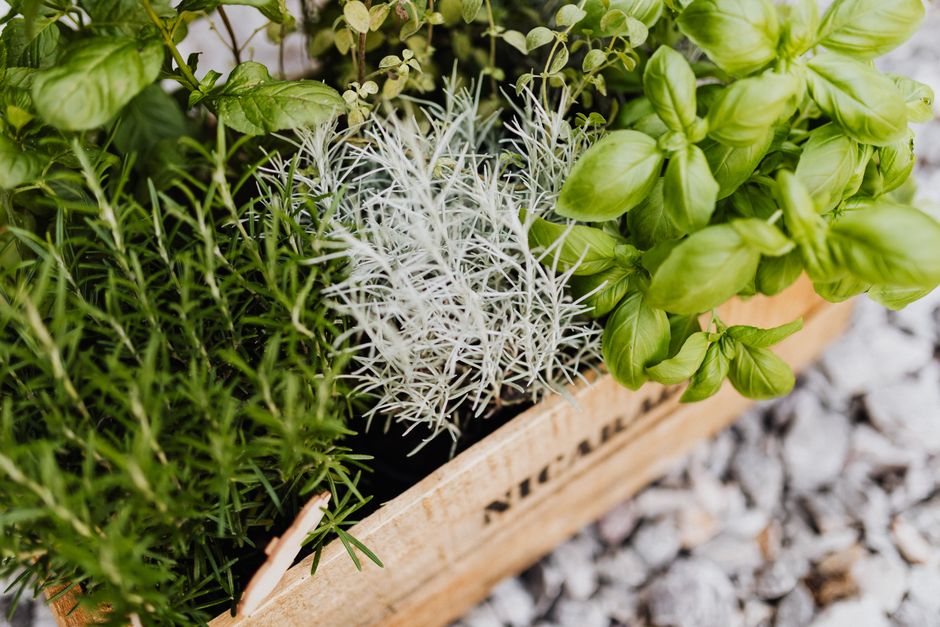
Aromatic Herb Cultivation: Selection, Management, and Preservation for Modern Cuisine
Strategies for selecting, growing, and preserving fresh aromatic herbs, optimizing flavor and sustainability in your garden.

Unleash Your Roses' Potential: The Art and Science of Pruning for Spectacular Blooms
Master rose pruning techniques to ensure healthier plants, more vigorous growth, and an abundance of breathtaking flowers in your garden.
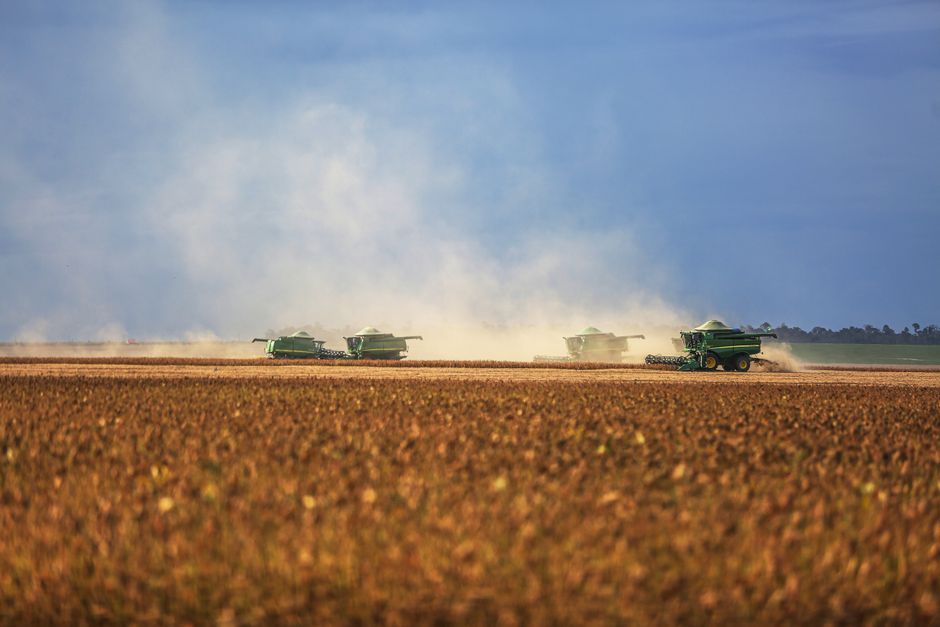
Solanum lycopersicum: Physiological Requirements and Agronomic Management for Optimal Cultivation
Understand the physiological requirements and agronomic management of tomatoes (Solanum lycopersicum) for high-quality yields.

Vegetative Propagation by Cuttings: Biological Basis and Horticultural Applications
Master vegetative propagation by cuttings, its biological foundations, and practical techniques for horticulture and gardening.