Crop Rotation: An Agroecological Strategy for Soil Fungal Disease Control
Alternating plant species to disrupt soilborne fungal pathogen cycles, enhance fertility, and foster the soil microbiome.
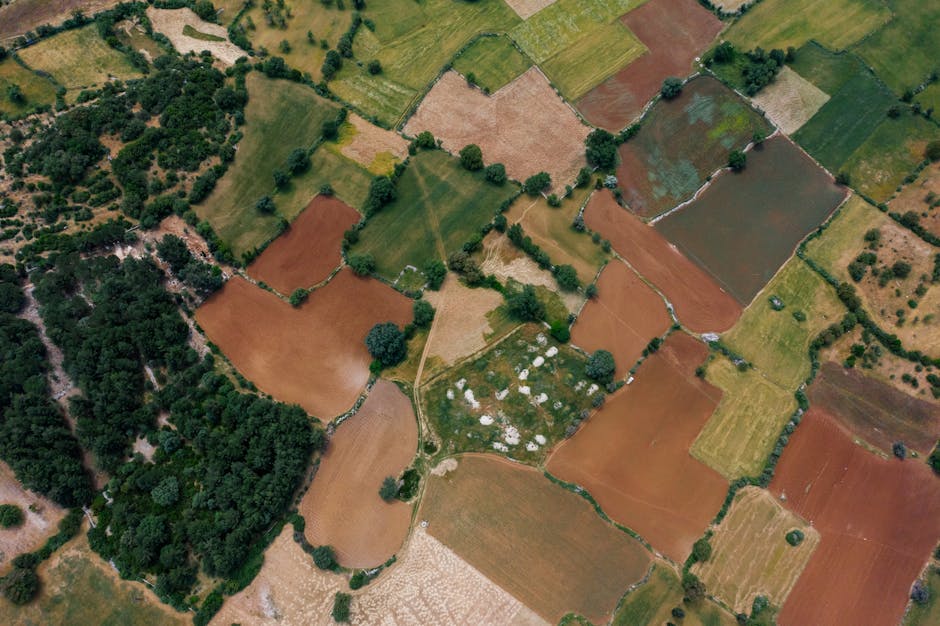
Disrupting Pathogenic Cycles Through Crop Rotation
Managing soilborne fungal diseases presents a constant challenge for growers and farmers in the region, directly impacting crop productivity and sustainability. These pathogens often persist in the soil and plant debris, completing their life cycles and repeatedly attacking the same hosts. Amidst growing concerns about the overuse of chemical fungicides and the pursuit of more environmentally friendly agricultural practices, crop rotation emerges as a fundamental agroecological strategy. This technique not only aids in disease control but also improves soil structure and fertility, which are pillars of regenerative agriculture resilient to climate change. Its systematic implementation is crucial for breaking the life cycles of phytopathogens, reducing their accumulation in the soil profile, and fostering a more diverse and healthy soil microbiome. In the current context, where innovation and sustainability are paramount, understanding and applying this practice is essential for the future of food production.
Crop rotation is based on alternating different plant species in the same field over time. This practice disrupts the life cycle of specific soilborne pathogens that depend on a particular type of host plant. When a susceptible species is not cultivated for several seasons, the pathogen population significantly decreases due to a lack of food and suitable conditions for reproduction. For example, pathogens like Fusarium oxysporum or Verticillium dahliae, which affect solanaceous plants, see their survival and proliferation capacity reduced when tomatoes or peppers are replaced with legumes or cereals.
The diverse root systems and exudates from different plant species also modify the composition of the soil microbiota, encouraging the proliferation of disease-suppressing microorganisms. Recent studies have shown that introducing cover crops, such as vetch or oats, can increase beneficial microbial biomass and enzymatic activity, enhancing the soil’s resistance to pathogen invasion. Planning sequences that include plants with different root structures helps explore different soil volumes, optimizing nutrient uptake and weed control, which indirectly reduces crop stress and susceptibility to diseases.
Designing Agroecological Sequences for Phytopathogen Suppression
The effectiveness of rotation depends on careful planning, considering the botanical families of the crops and their agronomic requirements. An ideal sequence should include:
- Susceptible Crops: Those that are the primary target of cultivation and can be affected by specific diseases (e.g., potatoes, tomatoes, lettuce).
- Resistant or Immune Crops: Species that are not hosts for the pathogen in question (e.g., corn, wheat, barley for many vegetable pathogens).
- Soil-Improving Crops: Legumes (peas, beans, clover) that fix nitrogen, and grasses that contribute organic matter and improve soil structure (e.g., rye, oats).
In the Litoral region of Argentina, for instance, a sequence might alternate corn (grass), soybeans (legume), and wheat (grass) before reintroducing a solanaceous crop. For family gardens, a rotation cycle of at least 3 to 5 years is recommended before replanting the same family in the same location. It is essential to avoid repeating crops from the same botanical family, as they share susceptibilities to the same pathogens. Incorporating green manures, such as white clover or vetch, during fallow periods or between main crops enhances the beneficial effects of rotation, adding organic matter and stimulating soil microbial life.
Integrating Rotation with Minimum Tillage and Organic Amendments
Crop rotation is most potent when integrated with other sustainable management practices. No-till or minimum tillage (direct seeding), a practice increasingly adopted in Argentina, preserves soil structure, organic matter, and beneficial microorganism activity, complementing the effects of rotation. Incorporating compost or organic amendments enriches the soil with nutrients and microorganisms that compete with pathogens. Furthermore, selecting disease-resistant varieties, a trend driven by genetic improvement research, offers an additional layer of protection.
Technology also plays a growing role. Agricultural management platforms and applications allow producers to plan optimal rotations, record crop histories, and monitor soil health, adapting strategies to local conditions and scientific advancements. Permaculture, with its focus on designing stable and productive agricultural ecosystems, often incorporates crop rotation and intercropping principles to maximize system biodiversity and resilience. These holistic approaches are key to addressing challenges like temperature fluctuations and extreme events associated with climate change, which can alter pathogen distribution and virulence.
Crop rotation is an indispensable tool for modern agriculture, offering an effective and ecological solution for controlling soilborne fungal diseases. Its systematic application, combined with other sustainable practices, not only protects crop health but also strengthens soil health and agroecosystem biodiversity. Adopting this strategy is an investment in the long-term resilience and productivity of our gardens and fields, contributing to a more sustainable agricultural future for the region and the world. To learn more about soil and crop management practices, you can consult information available from the National Agricultural Technology Institute (INTA) https://inta.gob.ar/ or publications from the Food and Agriculture Organization of the United Nations (FAO) https://www.fao.org/.
Related Articles

Home Organic Garden: Design, Substrate, and Ecological Management
Technical guide to establishing and maintaining home organic gardens, covering design, substrates, fertilization, and biological pest control.

Biological Pest Control: Principles, Habitat Design, and Recent Advances
Implementing beneficial insects and habitat design for natural pest regulation, promoting agroecological sustainability and biodiversity.
Ecological Pest Control: Prevention, Monitoring, and Sustainable Strategies
Learn effective chemical-free pest control strategies for gardens and orchards, focusing on prevention, monitoring, and bio-inputs.
Agroecological Management on Ometepe's Volcanic Soils: Climate, Crops, and Sustainability
Adapting tropical and horticultural crops to Ometepe's volcanic soils, focusing on agroecology, water conservation, and biological control.