Optimizing Fruit Trees in Compact Urban Spaces: Selection and Management
Assessing fruit cultivation viability on balconies and patios, detailing species selection, substrates, pruning, and efficient irrigation.

Selecting Rootstocks and Compact Varieties for Small Spaces
The aspiration to grow fresh fruit at home is an achievable goal, even in limited spaces like balconies, patios, or urban gardens. Proper selection of species and varieties, coupled with specific cultivation techniques, can transform a small area into a productive food source. This article covers the essential considerations for choosing fruit trees that thrive in compact environments, optimizing every available square meter.
Before selecting any fruit species, a thorough analysis of the available environment is crucial. Sunlight exposure, soil quality, and protection from prevailing winds are determining factors for successful cultivation.
Analyzing Direct Solar Radiation
Most fruit trees require a minimum of six to eight hours of direct sunlight daily for optimal production. Studying the sun’s path throughout the day and seasons is vital. Observing shadows cast by surrounding buildings or vegetation helps identify areas with the most light incidence. Digital tools and mobile applications can precisely measure solar exposure in different garden or balcony locations.
Substrate Composition and Preparation
The substrate for fruit trees in small spaces, especially in pots, must ensure efficient drainage and adequate nutrient retention. An ideal mix includes good quality garden soil, mature compost, and perlite or vermiculite to improve aeration and drainage. The optimal pH for most fruit trees ranges between 6.0 and 7.0. Conducting a soil analysis is recommended to adjust the composition and necessary nutrients, preventing deficiencies or excesses.
Optimizing Substrate and Drainage in Fruit Containers
The key to fruit cultivation in small spaces lies in choosing genetically compact varieties or those manageable through specific pruning techniques.
Selecting Dwarf and Columnar Cultivars
Numerous fruit species have been developed to grow in dwarf or columnar forms, ideal for large pots or narrow spaces. Apples and pears on dwarfing rootstocks (like M9 or M27 for apples) reach manageable heights. Citrus fruits such as lemons, oranges, and mandarins, especially ‘Meyer’ or ‘Kumquat’ varieties, thrive in containers. Other examples include dwarf peach and nectarine trees, and some columnar cherries. These varieties are characterized by their reduced vigor and their ability to fruit on short branches.
Training Techniques: Espaliers and Cordon Systems
Espalier training involves guiding a tree’s branches along a horizontal or vertical support structure, optimizing sun exposure and facilitating harvesting in limited spaces. Fruit trees like apples, pears, and peaches respond exceptionally well to this technique. The cordon system, a variation of espalier, involves training a horizontal main trunk from which small fruiting shoots emerge. These practices not only control tree size but also improve air circulation and reduce the incidence of fungal diseases.
The success of fruit production in limited spaces depends on precise agronomic management, including pruning, irrigation, and nutrition.
Pruning and Training Techniques to Maximize Solar Exposure
Training and Maintenance Pruning
Pruning is an essential tool for maintaining the desired size of a fruit tree and stimulating fruiting. Training pruning is done in the early years to establish the structure, while annual maintenance pruning removes dead, diseased, or inwardly growing branches, improving light and air penetration. For dwarf or espaliered fruit trees, summer pruning can help control vigor and promote fruit bud formation. It is crucial to identify productive branches and preserve them.
Efficient Irrigation Systems for Containers
Fruit trees in pots require more frequent watering than those planted directly in the ground due to the limited substrate volume. Implementing drip or micro-irrigation systems is highly efficient, minimizing water waste and ensuring constant, localized hydration. Soil moisture sensors, connected to automated irrigation systems, represent an innovation that optimizes water consumption, adjusting irrigation frequency and duration based on the plant’s actual needs and climatic conditions.
Specific Nutrition for Potted Fruit Trees
Nutrient supply is critical for the health and productivity of fruit trees in containers, as nutrient leaching is more pronounced. Fertilization must be regular and balanced, using organic fertilizers like compost or worm castings, complemented by slow-release granular fertilizers or liquid fertilizers specific for fruit trees. Foliar monitoring helps identify nutritional deficiencies and adjust the fertilization program, ensuring the supply of macronutrients (N-P-K) and essential micronutrients.
Fruit cultivation in small spaces aligns with current trends in sustainability and local food production, incorporating technological advancements and eco-friendly practices.
Efficient Irrigation Systems and Specific Foliar Nutrition
Advances in Rootstocks and Resistant Varieties
Botanical research continues to develop rootstocks that confer disease resistance and adaptability to various soil types, in addition to controlling tree size. New fruit varieties are being selected for their increased resistance to common pests and diseases, reducing the need for chemical treatments. This contributes to more resilient and low-environmental-impact fruit farming, especially relevant in urban contexts.
Integrating Permaculture into Home Gardens
Permaculture principles, such as companion planting and mulching, are applicable in small fruit gardens. Planting aromatic herbs or flowers that attract pollinators and repel pests near fruit trees enhances the system’s biodiversity and ecological balance. Mulching with organic matter (wood chips, straw) conserves soil moisture, suppresses weeds, and enriches the substrate as it decomposes, replicating natural ecosystem processes.
The possibility of enjoying fresh, homegrown fruit is a reality for gardeners with limited space. Informed selection of adapted varieties, implementation of precise management techniques, and integration of sustainable practices are pillars for success. This approach not only enriches the family diet with quality products but also contributes to creating greener, more productive urban ecosystems, fostering a deeper connection with the natural food cycle.
Related Articles
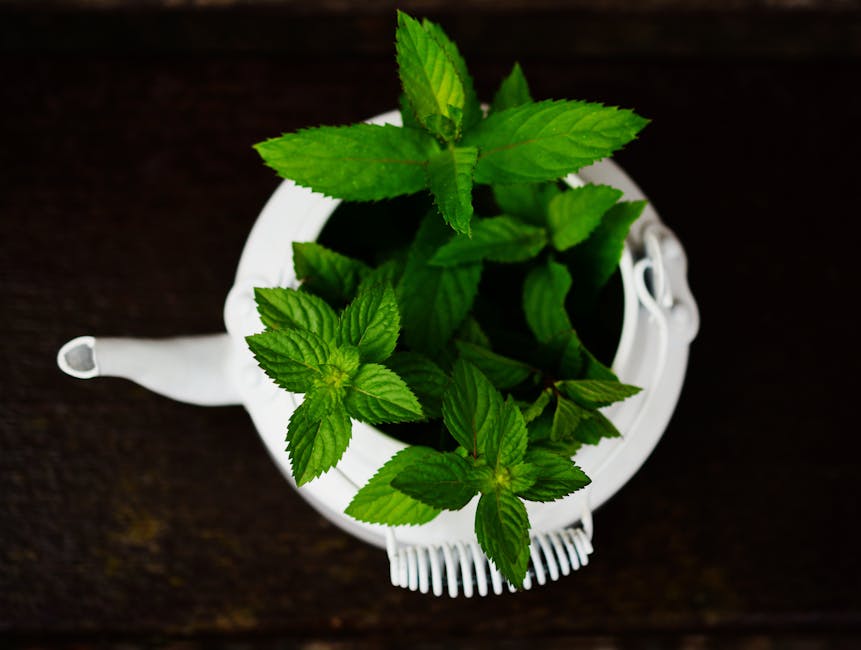
Home Aromatic Herb Garden: Cultivating, Caring for, and Preserving Fresh Herbs
Learn how to grow, maintain, and preserve aromatic herbs at home to enhance your dishes and connect with nature.

Succulent Propagation: Methods, Challenges & Sustainable Cultivation
Explore cuttings, seeds, and offsets for multiplying succulents, addressing challenges and trends like in vitro propagation and urban farming.
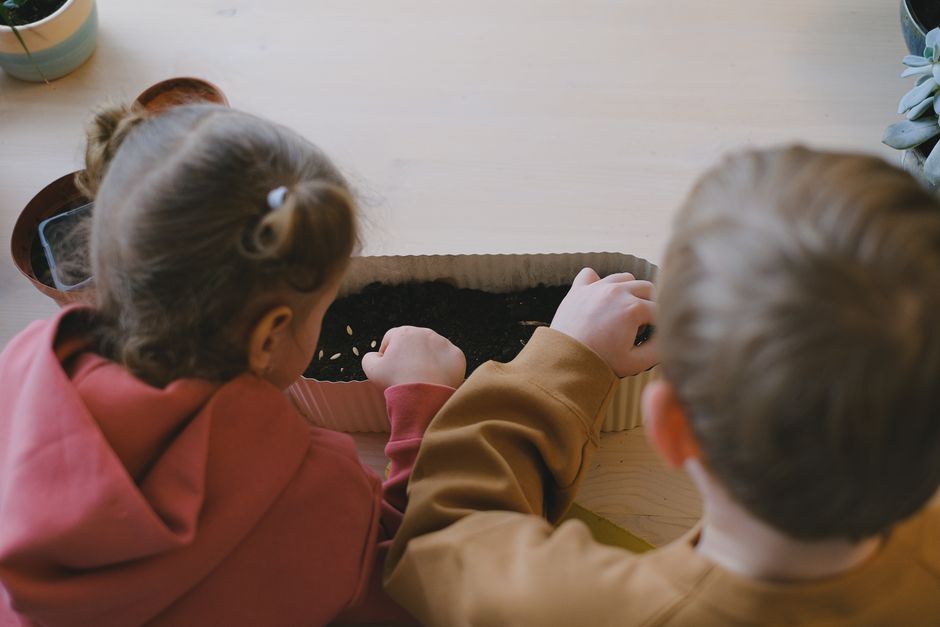
Children's Horticulture: Cultivating Environmental Understanding and Practical Skills
Master effective strategies and engaging projects for introducing children to horticulture, fostering environmental appreciation and developing essential practical skills.
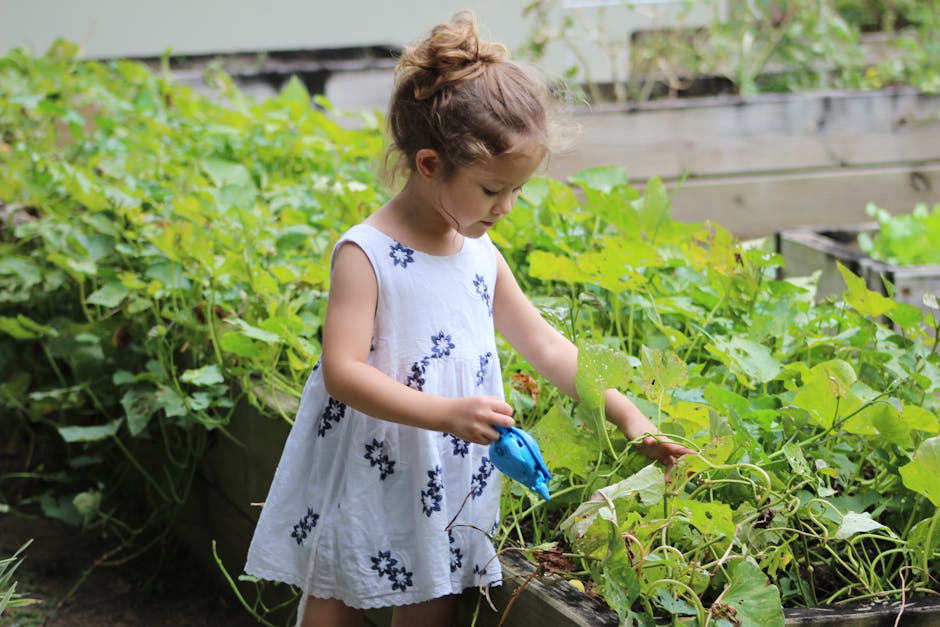
Childhood Gardening: Fostering Development and Environmental Awareness
Explore practical gardening projects for children, promoting skills, responsibility, and nature connection through planting and care.