Home Cultivation of Culinary Rhizomes: Ginger and Turmeric
Optimizing substrate, containers, propagation, and environmental management for organic and sustainable home production of ginger and turmeric.

Soil Requirements and Container Selection
Cultivating spices in domestic environments presents a valuable opportunity to integrate sustainable agricultural practices into urban living. Ginger (Zingiber officinale) and turmeric (Curcuma longa), rhizomes prized for their culinary and medicinal properties, adapt exceptionally well to container gardening, offering fresh, organic produce. This practice not only enhances cuisine but also fosters a deeper connection with natural growth cycles, a fundamental pillar in urban agriculture and permaculture principles. The adaptability of these plants allows gardeners of various scales, from balconies to patios, to actively participate in food production, promoting self-sufficiency and biodiversity in small spaces.
The foundation for successful ginger and turmeric cultivation lies in proper substrate preparation and container choice. Both rhizomes thrive in soils rich in organic matter, well-drained, and slightly acidic (pH between 6.0 and 7.0). An ideal mix includes mature compost, coco coir or peat moss, and perlite or coarse sand to ensure optimal aeration and prevent waterlogging, a detrimental condition for rhizomes. The substrate structure must allow rhizomes to expand without restriction.
Pot selection is crucial. Wide and deep containers are recommended, with a minimum diameter and depth of 30-40 cm (12-16 inches). Materials like terracotta or fabric grow bags are excellent choices, as they allow for better transpiration and prevent root overheating, a vital aspect in warm climates. For ginger, a 40 cm (16-inch) diameter pot can comfortably house 2-3 rhizomes, while turmeric, with similar root growth, benefits from equivalent space. The availability of efficient drainage is non-negotiable to prevent fungal diseases and ensure root health.
Propagation and Optimal Environmental Management
Ginger and turmeric are propagated from mature rhizomes. It is essential to select rhizome pieces with at least 2-3 visible “eyes” or buds, which are the points of growth. Before planting, rhizomes can be kept in a warm, humid place for a few days to encourage sprouting, accelerating the germination process. Once sprouted, they are planted about 5-10 cm (2-4 inches) deep, with the sprouts facing upwards, lightly covered with substrate.
These plants are of tropical origin and prefer warm, humid environments. The ideal temperature ranges between 20°C and 30°C (68°F and 86°F). In temperate regions, indoor cultivation or greenhouse growing during colder months is common practice to protect them from frost. Sunlight exposure should be indirect or partial; intense direct sunlight can scorch their leaves. About 4-6 hours of filtered light are sufficient for optimal development. Watering should be regular, keeping the substrate consistently moist but never waterlogged, especially during the active growth period. Fertilization with liquid organic fertilizers rich in potassium and phosphorus every 3-4 weeks during the vegetative phase promotes robust rhizome development, enhancing production.
Constant vigilance is key in phytosanitary management. While ginger and turmeric are relatively resistant, they can be susceptible to pests like spider mites or mealybugs in dry environments, and to fungal diseases if drainage is poor or ambient humidity is excessive. Applying organic solutions based on neem oil or potassium soap is effective for pest control, acting as a natural insecticide and acaricide. Prevention of fungal diseases is achieved through adequate watering, good air circulation, and avoiding excess moisture on the leaves.
Phytosanitary Management and Advanced Plant Nutrition
Plant nutrition is a determining factor for the production of quality rhizomes. In addition to liquid fertilizers, incorporating compost or worm castings into the top layer of the substrate every two months provides slow-release nutrients and improves soil structure, fostering beneficial microbial activity. Biofertilization with beneficial microorganisms can enhance nutrient uptake, improve plant resilience to environmental stresses, and optimize soil health, a technique increasingly adopted in regenerative agriculture and high-efficiency cultivation systems.
Harvesting ginger and turmeric is generally done between 8 and 10 months after planting, when the leaves begin to yellow and dry, indicating that the plant has directed its energy to the underground rhizomes. The plant should be carefully removed from the pot, extracting the rhizomes and cleaning them of soil. It is possible to leave a portion of the rhizome in the pot to sprout again in the next season, representing a sustainable and cyclical cultivation technique that maximizes resource use.
For preservation, fresh rhizomes can be stored in a cool, dark place for several weeks, ideally in a paper or cloth bag to allow transpiration. For prolonged storage, they can be frozen, dehydrated, or even pickled, which preserves their properties and flavor. Fresh turmeric can be grated and frozen in portions to facilitate daily culinary use. These methods ensure the availability of these spices throughout the year, maximizing the value of home harvests and promoting conscious, healthy consumption.
Related Articles

Modern Olive Cultivation: Optimizing Yield and Sustainability
Explore cultivation techniques, soil management, nutrition, irrigation, and pest control to maximize olive and olive oil production.

Optimizing Permaculture Garden Beds with Strategic Crop Rotation
Permaculture planting sequences to enhance soil fertility, control pests, and boost soil biodiversity through regenerative approaches.
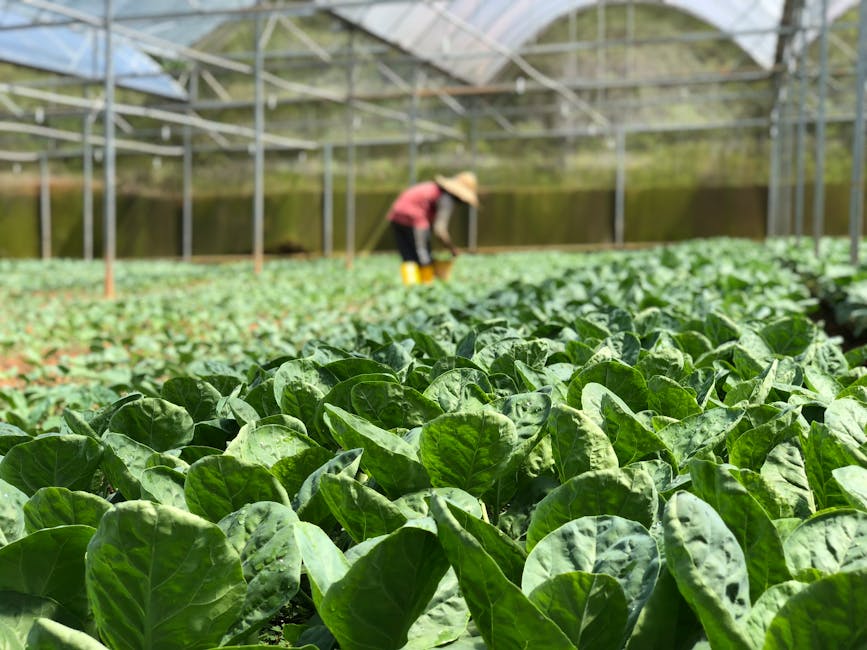
Continuous Lettuce Production: Genotypic Selection, Environmental Control, and Soilless Cultivation
Article details genotypic selection, environmental control, and soilless systems for continuous year-round lettuce production, ensuring consistent harvests.

Sweet Potato: Variety Selection, Optimized Cultivation, and Post-Harvest Strategies for Latin America
Enhance sweet potato production with selection, propagation, irrigation, nutrition, and post-harvest techniques to enhance yield and quality.