Crop Rotation: An Agroecological Strategy for Pest Cycle Disruption
Implementing crop rotation to disrupt pest cycles, optimize soil health, and promote agroecosystem resilience.
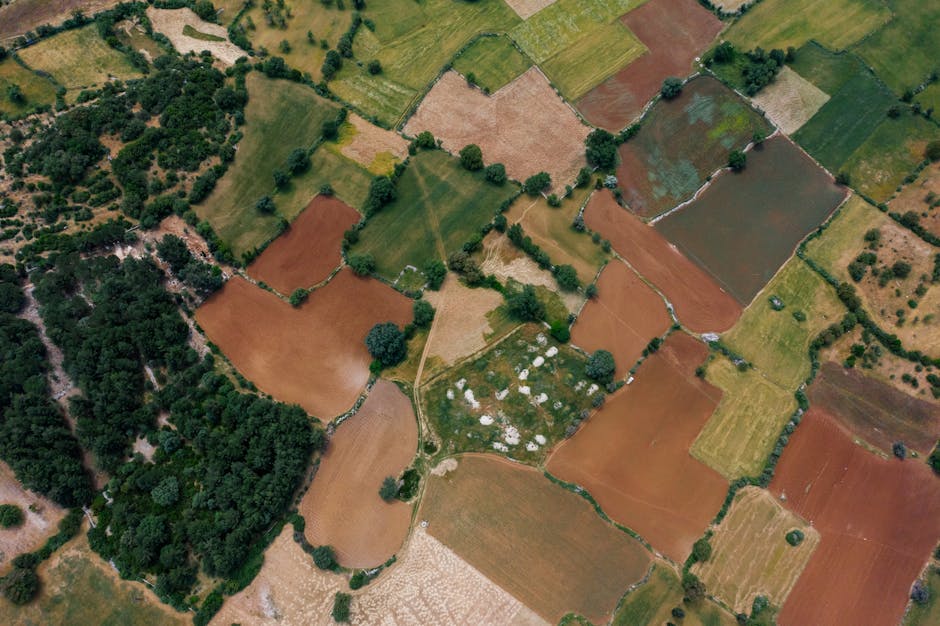
Agroecological Principles for Pest Cycle Disruption
Effective pest management is a cornerstone of sustainable and productive horticulture. In this context, crop rotation emerges as a proven agroecological strategy, designed not only to optimize soil health but specifically to disrupt the life cycles of pests and diseases. The systematic implementation of this practice reduces reliance on external inputs and fosters ecological balance within the agroecosystem, which is crucial for the resilience of urban and rural gardens in regions like Argentina and Latin America.
Crop rotation is based on alternating different plant species in the same plot over time. This technique exploits the specificities of pests, many of which are adapted to a limited range of hosts. By planting a non-host species after a host, the pest is deprived of its food source and shelter, interrupting its reproductive cycle and significantly reducing its populations. This principle is particularly effective against pests that have limited mobility or spend a phase of their life cycle in the soil, such as plant-parasitic nematodes, beetle larvae, and fungal pathogens that overwinter in plant debris.
The structuring of rotations considers crop groups by botanical family, nutritional requirements, and susceptibility to common pests and diseases. For example, crops from the Solanaceae family (tomato, potato, pepper) often share the same pests and diseases (e.g., Leptinotarsa decemlineata, Phytophthora infestans), making it essential to alternate them with Brassicaceae (cabbage, broccoli) or Fabaceae (peas, beans). This diversification breaks the accumulation of specific soil-borne pathogens and pest populations, contributing to a healthier environment for plant development.
Crop Alternation and Botanical Families for Pathogen Control
Crop rotation is a powerful tool against pests that reside or spend a phase of their life in the soil. Plant-parasitic nematodes, such as those of the genus Meloidogyne (root-knot nematodes), can cause severe damage. An effective strategy involves planting non-host or trap crops. For instance, rotation with marigolds (Tagetes patula) or calendula (Calendula officinalis) has demonstrated natural nematicidal effects, reducing the populations of these soil parasites. Similarly, wireworm larvae (Agriotes spp.), which attack roots and tubers, are controlled by avoiding consecutive planting of cereals or potatoes and opting for legumes or leafy greens.
A recent study by INTA Argentina (Instituto Nacional de Tecnología Agropecuaria) highlights the effectiveness of rotations with grasses and legumes in improving soil structure and reducing the incidence of soil-borne diseases in extensive crops, a practice that can be extrapolated to intensive horticulture. The inclusion of cover crops such as vetch (Vicia sativa) or white clover (Trifolium repens) not only contributes nitrogen and organic matter but also disrupts the life cycle of certain pests by not being suitable hosts or by creating a habitat for natural enemies.
Planning an effective crop rotation requires considering multiple factors: the pest and disease history of the plot, soil type, local climate, and production goals. Horticulturists can design 3- to 5-year sequences, alternating crops from different botanical families and with varying requirements. For example, a sequence could be: legumes (adds nitrogen) → brassicas (cleans soil of pathogens) → solanaceae (high-value crop) → grasses (improves structure). It is crucial to avoid planting crops from the same family or with similar susceptibilities in consecutive years on the same plot.
Strategies for Managing Soil Pests Using Trap Crops
Innovations in regenerative agriculture and permaculture are revitalizing interest in crop rotation, integrating it with other practices such as mulching, no-till farming, and the use of green manures. Current research focuses on identifying new crop varieties that, in addition to being productive, possess allelopathic characteristics or resistance to specific pests, further optimizing the benefits of rotation. Digital tools and mobile applications facilitate the planning of these rotations, allowing producers to keep detailed records and make informed decisions based on historical data and climate projections.
Crop rotation is more than an agricultural technique; it is a management philosophy that promotes biodiversity and agroecosystem resilience. Its conscious and planned application is indispensable for any horticulturist aspiring to sustainable and pest-free production, ensuring long-term plant health and soil fertility. By adopting this practice, producers actively contribute to building more robust and environmentally friendly food systems.
References:
- INTA - Crop Rotation: https://inta.gob.ar/documentos/rotacion-de-cultivos-1
- FAO - Pest Management Practices: https://www.fao.org/plant-protection/resources/fao-plant-protection-bulletin/es/
- USDA - Crop Rotation and Cover Cropping: https://www.nrcs.usda.gov/resources/conservation-practices/crop-rotation-and-cover-cropping
Related Articles

Home Organic Garden: Design, Substrate, and Ecological Management
Technical guide to establishing and maintaining home organic gardens, covering design, substrates, fertilization, and biological pest control.

Tomato Early Blight: Integrated Cultural & Biotech Management
Cultural, biological, and technological strategies for managing early blight in tomatoes, minimizing losses and optimizing yields.
Crop Rotation and Complementary Strategies for Nematodes in Sandy Soils
Evaluating crop rotation, biofumigation, and organic amendments for controlling plant-parasitic nematodes in sandy soils and improving soil health.

Pest Control in Vegetable Gardens: Natural Methods for Healthy, Sustainable Cultivation
Learn effective, eco-friendly techniques to protect your garden from pests without chemicals, promoting a balanced ecosystem and healthy harvests.