Edaphoclimatic Requirements and Sustainable Agronomic Management of Cupuaçu (*Theobroma grandiflorum*)
Details edaphoclimatic requirements, propagation methods, integrated pest management, and market potential of cupuaçu for sustainable production.
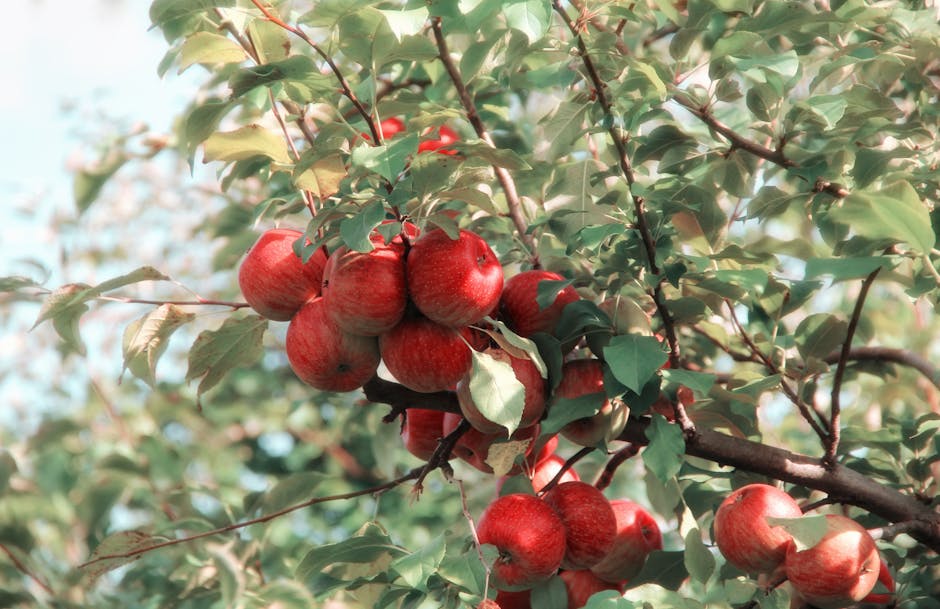
Edaphoclimatic Requirements for Theobroma grandiflorum
The cupuaçu (Theobroma grandiflorum), a botanical treasure from the Amazon rainforest, is emerging as a benchmark in the superfoods arena. Known for its unique flavor, which combines notes of chocolate, pineapple, and passion fruit, this fruit not only delights the palate but also offers an exceptional nutritional profile. Its growing global recognition fuels interest in its cultivation methods, which are essential for preserving its origin and enhancing its availability. Adapting sustainable agronomic practices is fundamental to integrating this crop into productive systems responsibly, benefiting both the environment and the local communities that have traditionally cultivated it.
The viability of establishing cupuaçu plantations depends on a precise understanding of its environmental needs. Native to the Amazon basin, Theobroma grandiflorum thrives in humid tropical climates, characterized by average temperatures between 22°C and 27°C and annual rainfall exceeding 1,800 mm, uniformly distributed. Constant relative humidity, ideally above 80%, is crucial for its optimal development and to mitigate water stress.
Regarding soil, cupuaçu requires deep substrates, rich in organic matter, with good drainage and moisture retention capacity. Loamy or clayey-loam soils, with a slightly acidic pH (5.0 to 6.5), are the most suitable. Incorporating compost or decomposed plant matter significantly improves soil structure and fertility, replicating the conditions of its natural habitat. During the initial growth phases, young plants benefit from partial sunlight exposure under the shade of larger trees, while mature specimens tolerate and require more sunlight for fruitful production.
Cupuaçu propagation is mainly done by seeds, although vegetative propagation through grafting is gaining ground due to its agronomic advantages. For sexual propagation, fresh seeds from ripe fruits are selected, as their viability diminishes rapidly. Pre-germination treatment, such as removing the pulp and brief soaking, can accelerate germination, which typically occurs between 15 and 30 days. Seedlings are grown in nurseries with enriched substrates under semi-shade conditions until they reach a height of 30-50 cm, the optimal time for transplanting to the field.
Propagation and Establishment of Cupuaçu Crops
Asexual propagation, especially scion or patch grafting, allows for the replication of desirable traits from mother plants, such as high productivity or disease resistance. This technique reduces the time to the first harvest and ensures the genetic uniformity of the plantation. Recent studies explore in vitro micropropagation as an alternative for mass production of elite plant material, offering an efficient solution for establishing new plantations with superior genotypes.
Site preparation for cultivation involves soil analysis and correction of nutritional deficiencies. Planting in agroforestry systems, integrating cupuaçu with other tree species, is recommended. This approach enhances biodiversity, improves soil structure, and provides the necessary shade during juvenile stages. Adequate spacing, generally 6x6 or 7x7 meters, allows for optimal canopy development and facilitates cultural practices.
Effective management of a cupuaçu plantation integrates nutrition, irrigation, and phytosanitary control practices. Organic fertilization, through regular application of compost, worm castings, or green manures, is fundamental for maintaining soil fertility and plant health. Periodic foliar analyses allow for adjustments to nutrition programs, ensuring adequate supply of nitrogen, phosphorus, potassium, and micronutrients.
Constant water availability is critical, especially during flowering and fruit development. Localized irrigation systems, such as drip irrigation, optimize water resource use, minimizing losses from evaporation and runoff—an essential practice in the context of current climate variability. Mulching with organic residues around the base of the plants helps conserve soil moisture and suppress weed growth.
Agronomic Management and Sustainability in Production
Pest and disease control is preferably addressed through Integrated Pest Management (IPM). Diseases such as witches’ broom (Moniliophthora perniciosa) and moniliasis (Moniliophthora roreri) represent significant challenges. Selecting resistant varieties, sanitary pruning, and applying biological fungicides are key strategies. The implementation of humidity and temperature sensors, along with remote monitoring platforms, represents an innovation for early detection of water stress or disease outbreaks, allowing for precise interventions and reduced input use.
Cupuaçu harvesting is done when the fruits reach physiological maturity, indicated by the change in peel color from green to reddish-brown and a characteristic aroma. Natural fruit drop to the ground is also an indicator, although manual harvesting directly from the tree can prevent damage. It is crucial to handle the fruits carefully to avoid bruising that compromises their quality and post-harvest shelf life.
Once harvested, the fruits must be processed quickly to extract the pulp, which is the most valued part. The pulp is used in making juices, nectars, ice creams, jams, and chocolates. The seeds, in turn, are the source of cupuaçu butter, an ingredient highly prized in the cosmetic and pharmaceutical industries for its emollient and moisturizing properties.
Cupuaçu holds a strong position in the global market for superfoods and natural products. The demand for sustainable ingredients with health benefits drives its value. Fair trade initiatives and organic certifications are increasingly relevant, ensuring that cultivation directly benefits Amazonian communities and promotes environmentally respectful agricultural practices. Continuous research into new applications and improvement of post-harvest processing methods constantly expands its economic and nutritional potential.
Harvest, Post-Harvest, and Market Potential
Cupuaçu cultivation represents a strategic opportunity for agricultural diversification in tropical areas, offering a fruit of high nutritional and economic value. Adopting agronomic techniques that respect Amazonian ecosystems, combined with innovation in propagation and management, is essential for its sustainable development. By integrating this superfood into responsible value chains, we not only contribute to food and nutritional security but also support biodiversity conservation and the well-being of the communities that safeguard this valuable resource.
Related Articles

Sustainable Silviculture of Urunday (*Astronium balansae*): Propagation, Management, and Conservation
Delve into Urunday's classification, ecological role, propagation methods, silvicultural practices, and its contribution to timber and ecosystem restoration.
Home Medicinal Garden: Cultivating, Harvesting, and Preserving Beneficial Herbs
Learn to cultivate medicinal plants at home, from selection to harvest, for natural well-being within reach.

Fundamentals of Organic Urban Horticulture: Soil, Sowing, and Ecological Management
Article details organic gardening, focusing on substrate prep, pest control, crop rotation, and sustainable harvesting for urban environments.

Sustainable Gardening in Calakmul: Water Management, Soils, and Native Species
Integrating water management, agroforestry systems, and native species for botanical resilience in the Calakmul Biosphere Reserve.