Botanical and Design Strategies to Encourage Parasitoid Wasps in Gardens
Integrating specific floral resources and ecosystem design to attract and sustain parasitoid wasps, optimizing natural biological control.

Floral and Dietary Requirements of Parasitoid Hymenoptera
The ecological balance in the garden or vegetable patch is a fundamental pillar of sustainability. In this context, the presence of beneficial insects, such as parasitoid wasps, represents a highly effective pest biological control strategy. These tiny, often imperceptible hymenopterans are natural predators of various pests, including aphids, caterpillars, and whiteflies, by depositing their eggs inside or on the bodies of host insects, ultimately leading to the pest’s demise. Attracting and retaining these wasps in our green spaces directly depends on the availability of specific floral resources that provide nectar and pollen, essential for their adult diet. A conscious and strategic botanical selection can transform any garden into a sanctuary for these valuable allies.
The effectiveness of a garden in attracting parasitoid wasps lies in understanding their nutritional requirements and floral morphological preferences. Adult wasps, unlike their larvae which feed on the host pest, depend on nectar as an energy source and pollen for egg production. Flowers with open and shallow structures, which facilitate access to these floral rewards, are prioritized. Species with tubular or complex corollas can hinder collection, given the small size of most parasitoid wasps. The arrangement of flowers in an umbel shape, characteristic of the Apiaceae family, is particularly attractive, as are the composite flowers of the Asteraceae, which offer multiple nectar and pollen sources on an accessible surface. Integrating plants with staggered blooms ensures a continuous provision of resources throughout the seasons.
The choice of plant species is crucial for establishing a conducive habitat. Certain botanical families stand out for their ability to attract a wide range of parasitoid wasps.
Key Plants for Attracting Parasitoid Wasps
Botanical Diversity for Parasitoid Conservation
- Apiaceae (Umbelliferae): This family includes carrots, dill, coriander, fennel, and parsley. Their flat umbel-shaped inflorescences, composed of numerous small flowers, are ideal for insects with short mouthparts to access. Planting these species at the edges of the garden or among crops can enhance the presence of parasitoids like braconid wasps.
- Asteraceae (Compositae): Sunflowers, marigolds, chamomile, and cosmos offer flower heads rich in nectar and pollen. Their prolonged blooming makes them a constant resource. The diversity of species within this family ensures a varied offering throughout the growing season.
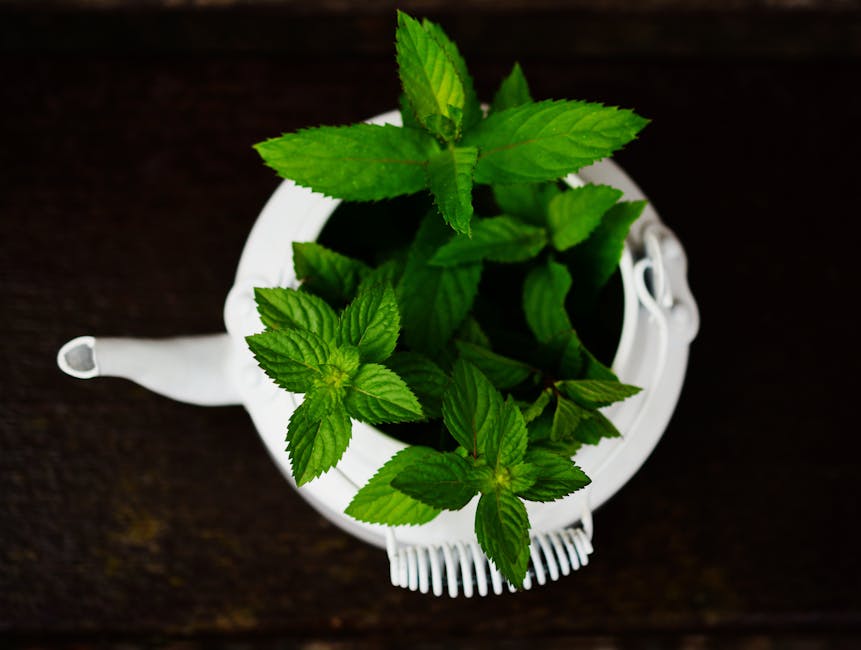
- Lamiaceae (Mint): Basil, oregano, mint, thyme, and lavender, in addition to their aromatic properties, produce small flowers that attract various wasp species. Their cultivation can also deter some pests.
- Brassicaceae (Crucifers): Mustard, arugula, and other flowering brassicas provide nectar when other resources are scarce, proving valuable for the early activation of wasp populations.
The incorporation of these plants not only benefits parasitoid wasps but also contributes to the overall biodiversity of the garden ecosystem.
The design of a garden focused on attracting parasitoid wasps transcends the mere selection of individual plants. It involves creating a resilient and diverse ecosystem. Implementing permaculture practices, such as polyculture and stratified planting, maximizes the availability of resources and shelter. The alternation of annual and perennial plants ensures continuous flowering from spring to autumn, crucial for maintaining stable wasp populations.
Cultivation Strategies for Sustainability
Habitat Design and Polyculture Strategies
- Crop Rotation: Prevents the accumulation of soil-borne pathogens and specific pests, contributing to a healthier environment for host plants.
- Cover Crops: Legumes such as vetch or clover not only improve soil fertility but can also harbor beneficial microfauna.
- Refuge Areas: Maintaining small areas with native vegetation or even some “weeds” can provide additional shelter and alternative nectar sources during times of scarcity.
- Integrated Pest Management (IPM): Combining the attraction of wasps with other techniques such as regular inspection, manual pest removal, and the use of low-impact biopesticides, if necessary, optimizes control.
Current trends in urban and regenerative agriculture emphasize the importance of these holistic approaches, recognizing that a healthy garden is an interconnected system.
Research in agricultural entomology continues to reveal new plant-insect interactions and optimize biological control strategies. Recent studies demonstrate that not only the presence of nectar is important, but also its chemical composition, which can vary significantly between plant species and affect the longevity and fecundity of wasps. Selecting plant varieties with specific nectar profiles represents a promising area of development.
New Perspectives and Technologies
Innovations in Plant Varieties for Biological Control
- Improved Varieties: The development of new ornamental and crop plant varieties that are not only attractive to pollinators but also to natural pest enemies is a growing trend. For example, certain varieties of buckwheat (Fagopyrum esculentum) are being studied for their high attraction of parasitoid wasps.
- Digital Monitoring: The implementation of humidity and temperature sensors, along with mobile applications for pest identification and planting scheduling, allows for more precise and efficient garden management, indirectly supporting the health of wasp populations.
- Ecosystem Modeling: Bioinformatics and predictive models are helping researchers better understand how plant configurations influence beneficial insect populations, offering tools for designing more effective gardens on a larger scale.
These advances underscore the evolution of gardening towards more scientific and data-driven practices, where the interaction between botany and entomology is key to agricultural and ornamental sustainability.
Creating a garden that attracts and sustains populations of parasitoid wasps is an investment in the health and resilience of our green environment. By consciously choosing plants with suitable floral characteristics, diversifying species, and applying ecological design principles, we not only reduce reliance on chemical interventions but also foster local biodiversity. This integrated and proactive approach to pest management represents a fundamental step towards more sustainable gardening in harmony with nature, benefiting both our crops and the ecosystem as a whole.
Related Articles

Attracting Pollinators to Your Garden: Strategies for Biodiversity and Productivity
Learn how to create a pollinator haven in your garden with native plants and sustainable practices to boost food production.
Home Medicinal Garden: Cultivating, Harvesting, and Preserving Beneficial Herbs
Learn to cultivate medicinal plants at home, from selection to harvest, for natural well-being within reach.

Adapting Gardens to the Cerrado Biome: Climate, Soils, and Biodiversity
Managing acidic, water-logged soils, integrating native flora, and sustainable techniques for resilient gardens in the Brazilian savanna.

Ecophysiology, Propagation, and Ethnobotanical Uses of Jarilla (Larrea spp.)
Ecophysiological adaptations, seed and cutting propagation methods, and ethnobotanical value of jarilla for restoration and gardening.