Agroecological Management on Ometepe's Volcanic Soils: Climate, Crops, and Sustainability
Adapting tropical and horticultural crops to Ometepe's volcanic soils, focusing on agroecology, water conservation, and biological control.
Climate and Soil Characterization of Ometepe
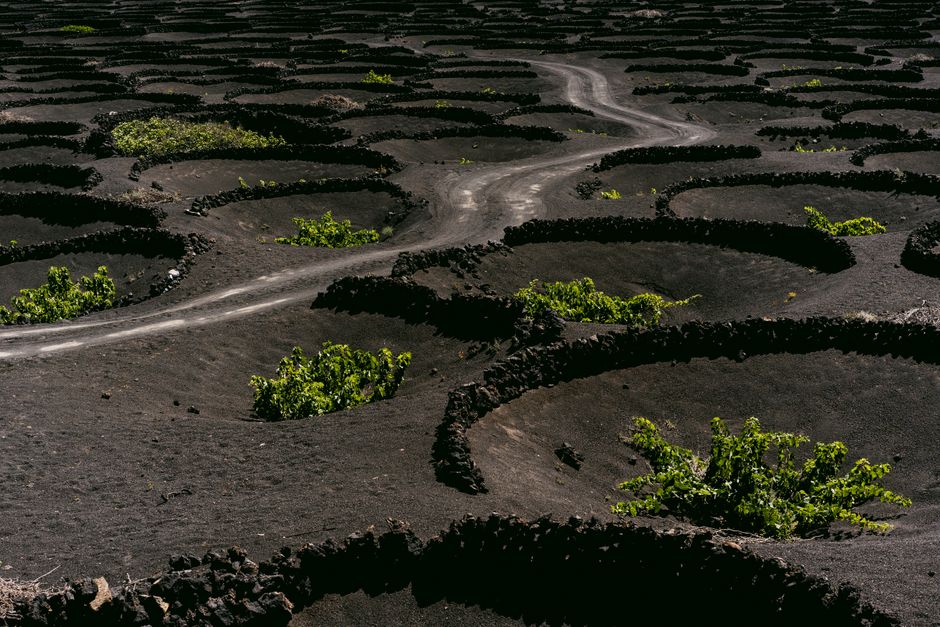
The Island of Ometepe, majestically emerging from Lake Cocibolca, offers a unique environment for gardening. Its two volcanoes, Concepción and Maderas, not only sculpt a breathtaking landscape but also deposit mineral richness into the soil, creating exceptional growing conditions. However, the tropical climate and specific biodiversity demand an adaptive and conscious approach. Understanding the peculiarities of this ecosystem is fundamental to developing successful and sustainable gardening practices that respect the natural balance of this Nicaraguan gem.
Analysis of the Tropical Climate and Volcanic Soil Composition
Ometepe’s climate is characterized by a distinct rainy season, generally from May to October, and a dry season from November to April. Average temperatures remain high year-round, fluctuating between 25°C and 32°C. This thermal consistency, combined with high humidity during the rainy season, directly influences crop selection and management strategies. Intense solar radiation also requires consideration for protecting certain delicate plants.
The soil composition in Ometepe is predominantly of volcanic origin, lending it a porous structure and remarkable mineral richness. These soils, derived from ashes and lava, exhibit good drainage capacity but can vary in their moisture retention. pH levels tend to be slightly acidic to neutral, ideal conditions for a wide range of plant species. Organic matter content is variable, and its increase through regenerative agriculture practices is crucial for boosting long-term fertility, mitigating erosion, and improving soil structure against torrential rains. Practices such as incorporating biochar and planting cover crops are proving effective in maintaining soil health in these environments. For more information on adapted agricultural techniques, the Nicaraguan Institute of Agricultural Technology (INTA) offers valuable resources on its official portal: https://www.inta.gob.ni/.
Adaptation of Plant Species and Polycultures
Adaptation of Crops and Specific Agroecological Methods
The selection of plant species in Ometepe should prioritize those adapted to the tropical climate and local soil characteristics. Tropical fruits such as plantain (Musa paradisiaca), mango (Mangifera indica), avocado (Persea americana), and citrus thrive in these conditions. For vegetables, cassava (Manihot esculenta), sweet potato (Ipomoea batatas), and bell pepper (Capsicum annuum) are examples of resilient, high-yield crops. Incorporating native or local varieties, which have evolved to adapt to the island’s specific conditions, represents a robust strategy against pests and diseases.
Cultivation techniques must focus on sustainability and resilience. Companion planting or polycultures, where different species benefit each other, is a well-established agroecological practice. For instance, growing legumes alongside corn or beans enriches the soil with nitrogen. Applying mulch with organic residues is essential for conserving soil moisture, suppressing weeds, and regulating temperature, especially during the dry season. The implementation of agroforestry systems, which integrate trees with annual crops, contributes to biodiversity, improves soil quality, and provides shade, a key factor for species sensitive to direct sun. These systems also promote carbon sequestration and the creation of beneficial microclimates. The Tropical Agricultural Research and Higher Education Center (CATIE) extensively researches these systems for the tropics: https://www.catie.ac.cr/.
Water Conservation Strategies and Biological Control of Harmful Organisms
Water Management and Biological Control in Tropical Ecosystems
Efficient water management is paramount in Ometepe, especially during dry periods. Rainwater harvesting through rooftop collection systems and storage in cisterns is a proven technique to ensure supply. Implementing drip or micro-sprinkler irrigation systems minimizes water waste by directing it precisely to the plant’s root zone. These methods are particularly relevant for small-scale agriculture and home gardening. Incorporating organic matter into the soil increases its water-holding capacity, reducing the need for frequent irrigation.
Integrated Pest Management (IPM) in the tropics requires a preventive and ecological approach. Ometepe’s high biodiversity can favor the proliferation of certain pests but also offers natural solutions. Biological control, using beneficial insects that prey on or parasitize pests, is an effective technique. Crop rotation disrupts the life cycles of specific soil-borne pests and diseases. Using botanical extracts as natural repellents or insecticides (e.g., neem, garlic) offers alternatives to synthetic chemical products. Constant crop monitoring allows for early problem identification and timely corrective measures, minimizing ecosystem impact.
Biodiversity Preservation and Sustainable Gardening Practices
Gardening in Ometepe transcends mere food production; it becomes an act of conserving and fostering local biodiversity. Integrating ornamental and useful native plants attracts pollinators and other beneficial organisms, establishing a more resilient garden ecosystem. The creation of community seed banks for local and native varieties is a vital initiative for preserving the island’s plant genetic heritage and ensuring the availability of adapted planting material.
Biodiversity Conservation and Agroecological Practices
Current trends in sustainable gardening emphasize permaculture and regenerative agriculture, philosophies that seek to design productive ecosystems mimicking natural patterns. This includes designing spiral gardens, raised beds with in-situ composting, and creating “food forests” that maximize production in a small space while building soil and biodiversity. Technology, such as mobile applications for plant and pest identification or the use of low-cost soil sensors, complements these practices by providing valuable information for decision-making. The Food and Agriculture Organization of the United Nations (FAO) actively promotes agroecology as a path to sustainability: https://www.fao.org/agroecology/es/. Collaboration among gardeners and the exchange of local knowledge are fundamental to advancing these practices in the region.
Gardening on Ometepe Island is a unique opportunity to connect with an exceptional natural environment. Adopting practices that respect its climate, volcanic soil, and biodiversity not only ensures abundant harvests but also contributes to the island’s ecological resilience. The combination of traditional knowledge and the integration of sustainable innovations forges a path toward productive gardening in harmony with the environment.
Related Articles

Bat Gardening: Botanical Design and Ecological Management of Urban Habitats
Bat garden design: selecting nocturnal flora, providing water and shelter, and pesticide-free management for biodiversity.

Ilex paraguariensis: Agroecology, Propagation, and Sustainable Management of Yerba Mate Cultivation
Enhance yerba mate production with agroecological practices, advanced propagation techniques, and sustainable management for quality and resilience.
Fruit Trees at Home: Essential Practices for Abundant and Healthy Harvests
Improve the health and productivity of your fruit trees with sustainable selection, pruning, nutrition, and irrigation techniques.

Home Composting: Transforming Organic Waste into Fertile Soil Amendment
Strategies for managing household organic waste, optimizing compost quality and its agronomic benefits for gardens and farms.