Propagation, Edaphoclimatic Requirements, and Management of the Ceibo Tree (*Erythrina crista-galli*)
Seed and cutting propagation techniques, soil-climate adaptability, strategic pruning, and plant health for cultivating the emblematic Ceibo.
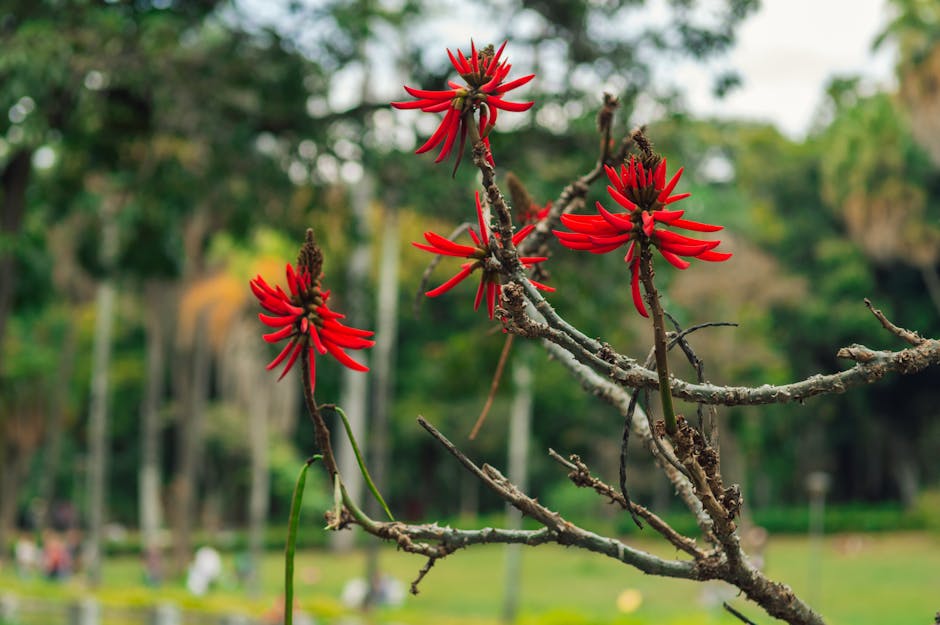
Vegetative Propagation and Seed Germination of Erythrina crista-galli
The Ceibo, Erythrina crista-galli, the national flower of Argentina and Uruguay, represents a significant cultural and botanical emblem. Its splendid red flowering, adorning riparian and urban landscapes, sparks growing interest in its cultivation. Adapted to diverse conditions, this native tree offers a unique opportunity to enrich local biodiversity and beautify green spaces with a species of deep identity significance.
The multiplication of Erythrina crista-galli is predominantly achieved through seeds or cuttings. Propagation by seeds requires specific preparation to overcome dormancy. A common process is scarification, which involves breaking the hard seed coat to allow water absorption. This can be accomplished by immersion in hot (not boiling) water for 24 hours or through light mechanical abrasion. Sowing is done in light, well-draining substrates, preferably in spring when temperatures are more stable and conducive to germination.
For propagation by cuttings, semi-hardwood branches about 20-30 cm in length, obtained from healthy plants, are selected. Applying rooting hormones can significantly increase the success rate. Cuttings are planted in a sandy substrate and maintained in conditions of high humidity and moderate temperature until root development occurs. This method yields plants with characteristics identical to the parent plant and is particularly useful for preserving specific varieties.
Edaphoclimatic Requirements and Environmental Tolerance
The Ceibo thrives in a wide range of soils, though it prefers those that are deep, fertile, and well-draining. It tolerates clayey and temporarily waterlogged soils, reflecting its origin in riparian and swampy areas. However, prolonged exposure to extremely compacted or poorly drained soils can hinder root development. Regarding pH, it shows good adaptability, although a slightly acidic to neutral range (pH 6.0-7.0) is ideal. For cultivation in pots or urban spaces with modified soil, incorporating organic matter and coarse sand improves substrate structure and drainage.
Sun exposure is a critical factor; the Ceibo requires full sun for abundant flowering and vigorous growth. Although it can tolerate partial shade, this usually results in reduced flowering and more etiolated growth. In terms of temperature, it is a subtropical species that withstands light frosts once established, but young plants are more sensitive. In regions with harsh winters, protection is recommended during the first few years, or container cultivation to bring them indoors during colder periods. The cold hardiness of mature Ceibo is an aspect being researched in genetic improvement programs to extend its cultivation area.
The nutrition of the Ceibo is relatively straightforward. During its early years, a balanced supply of nutrients, especially nitrogen, phosphorus, and potassium, promotes robust establishment. Subsequently, annual fertilization with compost or organic fertilizers in spring is sufficient to maintain its vitality. It is important to avoid excess nitrogen, which can promote foliar growth at the expense of flowering. Watering is crucial in the initial stages, keeping the substrate moist but not waterlogged. Once established, the Ceibo demonstrates remarkable drought tolerance, although sporadic watering during prolonged dry periods benefits its flowering and overall health.
Nutritional Management and Optimal Hydric Regime
Pruning is an essential cultural practice for the Ceibo, contributing to its shape, health, and flowering. Formative pruning is recommended in the early years to establish a strong, balanced structure, removing crossing or weak branches. Maintenance pruning is preferably done in late winter or early spring, before bud break. This involves removing dead, damaged, or diseased branches, as well as reducing canopy density to promote air circulation and light penetration. In some cases, more drastic pruning can rejuvenate old trees or control their size in limited spaces, though it should be done cautiously to avoid excessive plant stress. Recent studies explore pruning techniques that optimize flower production and the tree’s structural resistance to strong winds, especially in urban environments.
The Ceibo, like many native species, possesses good natural resistance to various pests and diseases. However, it can be susceptible to aphid and scale insect attacks, particularly on tender shoots. These sap-sucking insects are effectively controlled with biological insecticides based on neem oil or potassium soap. Fungal diseases, such as powdery mildew or certain leaf spots, can appear in conditions of high humidity and poor ventilation. Proper pruning and watering management, along with the application of organic fungicides if necessary, minimize their impact. Implementing Integrated Pest Management (IPM) strategies is crucial for sustainably maintaining the Ceibo’s health, prioritizing preventive and biological methods.
Innovations in botanical research focus on selecting Ceibo ecotypes with greater resistance to adverse urban conditions, such as pollution or soil compaction. Breeding programs are being developed to identify varieties with longer flowering periods or slightly different colors, without losing the essence of the species. Promoting its cultivation contributes to the conservation of native flora and the enhancement of biodiversity in gardens and parks, aligning with current trends in sustainable landscaping and ecological restoration. For more information on cultivating native plants, resources such as those from the National Institute of Agricultural Technology (INTA) in Argentina can be consulted, offering relevant guides and publications for the region. https://inta.gob.ar/
Plant Health and Pathogen Control Strategies
Cultivating Erythrina crista-galli is an investment in beauty and natural heritage. With appropriate techniques and conscious management, this emblematic tree can thrive in diverse environments, bestowing its vibrant bloom and strengthening the connection with the region’s botanical identity. Its presence in gardens and public spaces is a testament to the richness of our flora and a call for its preservation and appreciation.
Related Articles

Piquillín (*Condalia microphylla*): Propagation, Management, and Valorization
Study of propagation methods, edaphoclimatic adaptability, agronomic management, and ecological/economic applications of piquillín.

Rain Gardens: Green Infrastructure for Sustainable Urban Water Management
Rain gardens mitigate urban runoff, improve water quality, and foster biodiversity through hydrological design and plant selection.

Homegrown Carrots: Preparation, Care, and Harvest for a Successful Garden
Learn essential techniques for growing quality carrots in your garden: from soil preparation to harvest and storage.

Unlock Bountiful Harvests: Your Definitive Guide to Thriving Tomato Plants
Master the art of cultivating exceptional tomatoes in your home garden with this comprehensive guide to planting, care, and harvesting.