Pitanga (*Eugenia uniflora*): Propagation, Agronomic Management, and Gastronomic Applications
Details propagation methods, soil-climate factors, phytosanitary management, pruning, and culinary uses of pitanga for gardening and production.
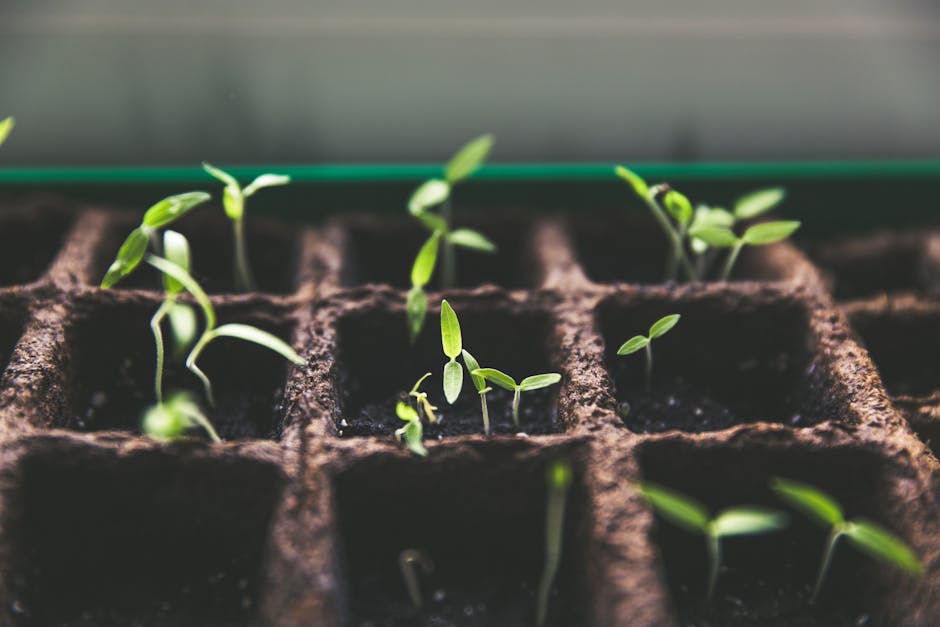
Vegetative Propagation and Seed Germination of Eugenia uniflora
The pitanga (Eugenia uniflora), a botanical gem native to South America, is distinguished by its vibrant reddish fruits and adaptability, making it a preferred choice for gardens and urban orchards in regions like Uruguay and Argentina. This shrub, or small tree, not only beautifies the landscape with its perennial foliage and delicate flowers but also offers a harvest of edible berries, rich in vitamins and antioxidants. Its cultivation represents an opportunity to integrate resilient native species, contributing to local biodiversity and home food production. Growing awareness of the importance of native plants and agroecology positions pitanga as a crop of increasing interest for the contemporary gardener. Implementing sustainable cultivation practices ensures its optimal development and consistent fruit production.
The successful establishment of pitanga in the garden begins with proper propagation. Seed sowing is the most common method, although it requires patience. Seeds, obtained from ripe and clean fruits, have optimal viability when sown fresh. A cold stratification process for 30-60 days can improve germination, simulating winter conditions. Sowing is done in light, well-drained substrates, maintaining constant moisture and warm temperatures. Germination can take between 30 and 90 days.
For faster multiplication and to ensure the preservation of specific characteristics of a mother plant, propagation by semi-hardwood cuttings is a viable alternative. It is recommended to take cuttings 10 to 15 cm in length from healthy branches, removing the lower leaves and applying rooting hormones to enhance success. The use of propagation chambers with high humidity or intermittent misting systems, a trend in modern horticulture to improve rooting rates, has proven highly effective for new varieties.
Soil and Climate Parameters for Optimal Pitanga Development
Pitanga exhibits remarkable hardiness, adapting to various soil and climate conditions, though it thrives best under specific parameters. It requires full sun exposure for abundant fruiting, though it tolerates partial shade, which can be beneficial in very hot climates to protect it from intense afternoon sun. Regarding soil, it prefers fertile, deep, well-drained substrates with a slightly acidic to neutral pH (between 5.5 and 7.0). Incorporating organic compost or worm castings during the planting phase enriches the soil, improves its structure, and enhances moisture retention capacity, reflecting principles of regenerative agriculture.
Pitanga’s resistance to light frosts makes it suitable for most temperate zones in Uruguay and Argentina. However, young plants may benefit from protection during harsher winters. Prolonged drought can affect fruit production, so regular watering, especially during flowering and fruit development, is essential. Implementing drip irrigation systems or using organic mulching are efficient strategies to conserve soil moisture and reduce water consumption, a practice increasingly valued in times of climate change.
Proper maintenance of pitanga involves applying pruning techniques and constant monitoring for early detection of pests and diseases. Formative pruning is done on young plants to establish a strong and balanced structure, while maintenance pruning focuses on removing dry, diseased, or crossing branches, improving air circulation and light penetration. This not only prevents fungal diseases but also stimulates the production of new fruiting branches. Rejuvenation pruning may be necessary for older trees to revitalize their growth and productivity.
Pruning Protocols and Phytosanitary Disease Management
Regarding plant health, pitanga is relatively resistant. However, it can be susceptible to aphid or mealybug infestations, especially under stress conditions. Biological control, by introducing beneficial insects like ladybugs, or applying organic solutions such as neem oil or potassium soap, are effective and environmentally friendly methods. Prevention, through balanced nutrition and good cultural management, is key to keeping the plant healthy and vigorous, in line with integrated pest management principles in permaculture.
The harvest of pitanga fruits generally occurs in late spring and early summer in the Southern Hemisphere, although it can vary by region and variety. The fruits are ready to be collected when they acquire a deep red or almost black color and detach easily from the peduncle with a gentle pull. It is crucial to harvest them at their optimal maturity point to ensure the best flavor and nutritional content. Harvesting should be done carefully to avoid damaging the delicate fruits.
Fresh pitangas are delicious consumed directly, but they are also extremely versatile in the kitchen. Their sweet and sour, slightly resinous flavor makes them ideal for making jams, jellies, juices, and desserts. In Argentina and Uruguay, they are commonly used in homemade liqueurs, sauces for meats, or even in artisanal ice creams. Their high vitamin C and antioxidant content makes them a local superfood, whose incorporation into the daily diet offers significant health benefits.
Harvest Cycle and Culinary Applications of Pitanga
The cultivation of pitanga in gardens and orchards represents a valuable addition, combining aesthetics, resilience, and the production of nutritious fruits. Its adaptability and relatively low maintenance requirements make it accessible to gardeners of all experience levels. By integrating this native species, one not only enriches the table with fresh and healthy products but also contributes to the conservation of native flora and promotes a more sustainable approach to home gardening, a fundamental pillar of urban agriculture and local biodiversity movements.
Related Articles

Floral Biointegration for Ladybug Conservation and Biological Control
Strategic plant selection to attract ladybugs: diet, shelter, and oviposition, promoting resilient, agrochemical-free gardens.

Allelopathic Interaction and Crop Rotation: Synergies for Sustainable Agricultural Ecosystems
Manage allelopathic effects through crop rotation, enhancing positive interactions and mitigating negative ones for resilient and productive gardens.
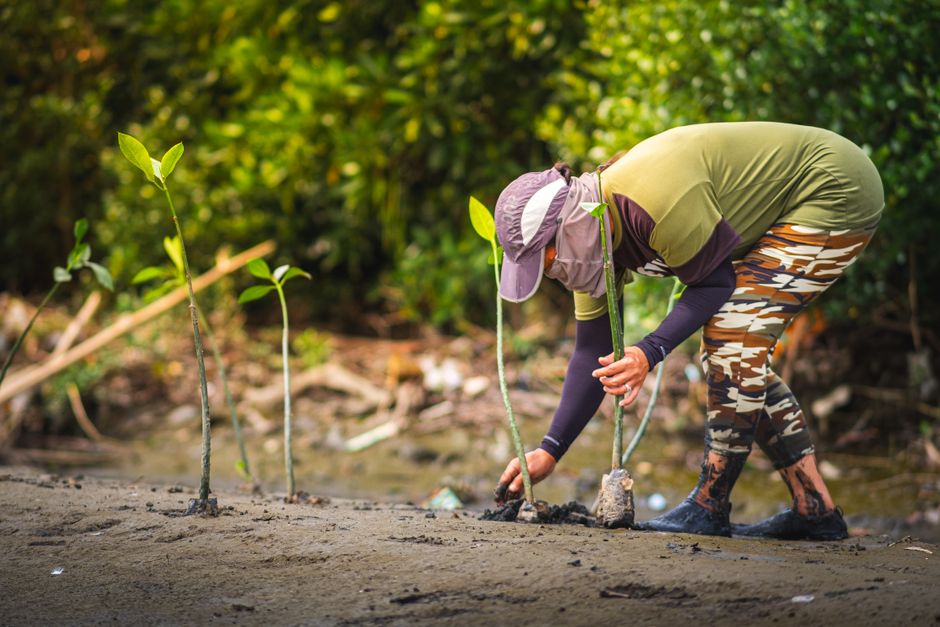
Mangrove Restoration and Sustainable Management in Central America
Morphological, physiological adaptations and propagation strategies vital for active restoration and monitoring of Central American mangroves.

Pindo Palm (*Butia capitata*): Propagation, Management, and Adaptability
Establishment, nutrition, and health of *Butia capitata*, highlighting its adaptability, resilience, and ecological benefits for sustainable landscaping.