Optimizing Blueberry (*Vaccinium corymbosum*) Container Cultivation: Substrate, Management, and Health
Details acid substrate formulation, quality water irrigation, specific nutrition, and pruning for potted blueberries. Addresses health and pests.
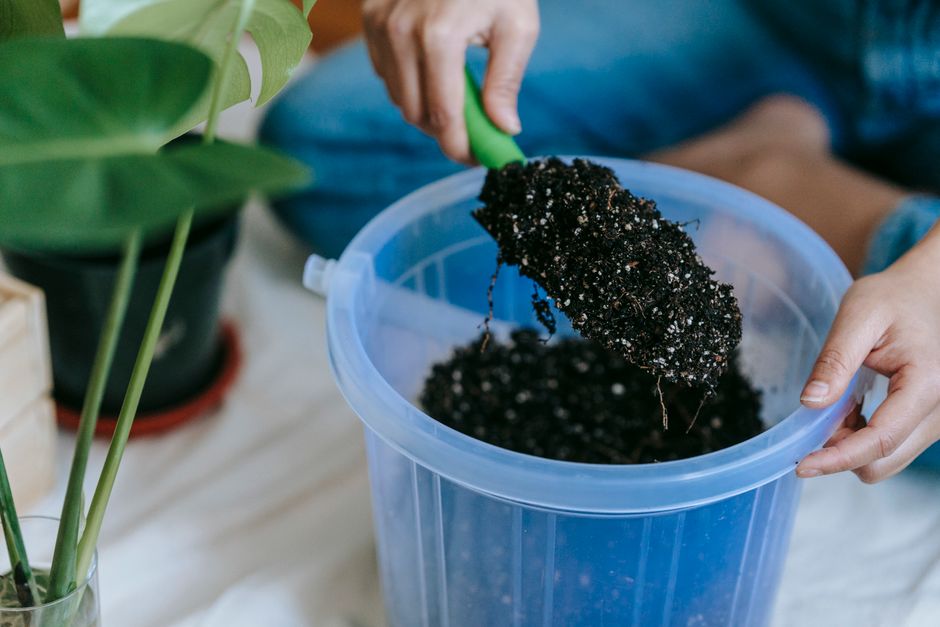
Formulating Acidic Substrate Mixes for Vaccinium corymbosum
Growing blueberries (Vaccinium corymbosum) in pots is a viable alternative for those wishing to enjoy this fruit in urban settings or with limited space. The adaptability of certain varieties and precise control over growing conditions make this practice an increasingly popular option among domestic horticulture enthusiasts. The key lies in understanding and applying specific substrate and management requirements, which differ notably from other fruit species.
The formulation of a suitable substrate is the fundamental pillar for success in growing blueberries in pots. These plants thrive in acidic soils, with an ideal pH range between 4.5 and 5.5. An inadequate pH restricts the absorption of essential nutrients, particularly iron, leading to chlorosis and poor development. The mix must ensure excellent drainage and good aeration, preventing waterlogging that can cause root rot.
Optimizing Watering and Nutritional Regimes for Potted Plants
An effective composition frequently includes: sphagnum peat moss (50-60%) due to its moisture retention capacity and acidic nature; pine needles or composted pine bark (20-30%) to provide acidity, improve structure, and drainage; and perlite or vermiculite (10-20%) to optimize aeration and cation exchange capacity. Recent local studies, such as those from the National Agricultural Technology Institute (INTA) in Argentina, suggest incorporating small proportions of coarse sand to increase structural stability in large pots. The current trend in sustainable horticulture also explores the use of acidified coco coir as a partial component, although it requires constant pH monitoring due to its tendency towards neutrality.
The irrigation regime for potted blueberries demands constant attention. The roots of Vaccinium corymbosum are shallow and sensitive to drought, but also to excess moisture. The substrate must be kept uniformly moist, never saturated. Water quality is a critical factor; tap water with a high concentration of lime (hardness) or a high pH will progressively neutralize the substrate’s acidity. Rainwater or filtered and acidified water is recommended if tap water is unsuitable. Technologies like moisture sensors for pots, available on the market for urban gardeners, facilitate precise irrigation, reducing water consumption and optimizing plant health.
Pruning Techniques and Plant Health Strategies in Blueberry Cultivation
Nutrition must be specific for acid-loving plants. Fertilizers formulated for rhododendrons, azaleas, or blueberries are ideal, as they contain the appropriate proportions of nitrogen, phosphorus, and potassium, along with micronutrients like chelated iron, crucial for preventing iron chlorosis. Applying slow-release fertilizers at the beginning of the growing season (spring) can simplify management. Alternatively, liquid fertilization every 2-4 weeks during the active growth phase is effective. Recent research in plant nutrition, such as that from the University of California, highlights the importance of the calcium-magnesium ratio for root health in container-grown blueberries.
Pruning is an essential practice for maintaining the productivity and health of potted blueberries. It is primarily performed in winter, during the dormancy period. There are three types of pruning: formative (on young plants to establish a strong structure), maintenance (to remove old, diseased, or damaged branches, and to open up the center of the bush for improved air circulation and light penetration), and rejuvenation (on mature plants to stimulate the growth of new, productive shoots). Removing the oldest branches, which are usually less productive, redirects the plant’s energy towards fruit development on young shoots.
Adapting Varieties and Container Considerations
Regarding plant health, potted blueberries can be susceptible to pests such as aphids or spider mites, and fungal diseases if humidity conditions are excessive. Regular monitoring allows for early detection. For control, organic methods are prioritized: botanical insecticides based on neem or potassium soap for pests, and biological fungicides for diseases. Selecting blueberry varieties with genetic resistance to common diseases, an area of active research in specialized nurseries, represents an effective preventive strategy. Maintaining good hygiene in the cultivation area and ensuring adequate ventilation minimizes risks.
Growing blueberries in pots, while demanding particular attention to substrate, irrigation, and nutrition, offers the gratification of harvesting fresh, healthy fruit. Applying appropriate cultural practices, along with incorporating innovations in container crop management, allows urban gardeners to transform their balconies and patios into small productive oases. The experience of growing Vaccinium corymbosum at home connects with the growing movement of sustainable urban agriculture, fostering greater food autonomy and a deep understanding of the plant’s life cycle.
Related Articles

Horticultural Adaptation in Sierra Nevada de Santa Marta: Climate, Soil, and Sustainability
Mastering Sierra Nevada horticulture: delve into thermal zone-specific water conservation, organic nutrient cycling, and fostering resilient ecosystems.

Unleash Your Roses' Potential: The Art and Science of Pruning for Spectacular Blooms
Master rose pruning techniques to ensure healthier plants, more vigorous growth, and an abundance of breathtaking flowers in your garden.

Squash Cultivation: Soil Preparation, Genotype Selection, and Nutritional Management
Enhance squash production with substrate techniques, adapted genotypes, and nutritional strategies for abundant, quality harvests.

Hydroponics: Fundamentals, Systems, and Nutrient Control for Urban Cultivation
Analysis of hydroponic systems, nutrient solution formulation, inert substrates, and pH/EC control for domestic and urban horticulture.