Termites: Biology, Wood Biodegradation, and Ecosystemic Impact
Examines termite social biology, their role in cellulose decomposition, and their ecological impact as ecosystem engineers.
Social Biology and Castes of the Isoptera Colony
Termites, often perceived solely as pests, play a fundamental and often underestimated role in terrestrial ecosystems, particularly in wood decomposition. Their xylophagous activity not only recycles essential nutrients but also shapes soil structure and significantly contributes to biodiversity. Understanding the complexity of their society and biological processes allows for a more balanced perspective on their presence, distinguishing between their ecological function and the challenges they present in urban environments and constructions.
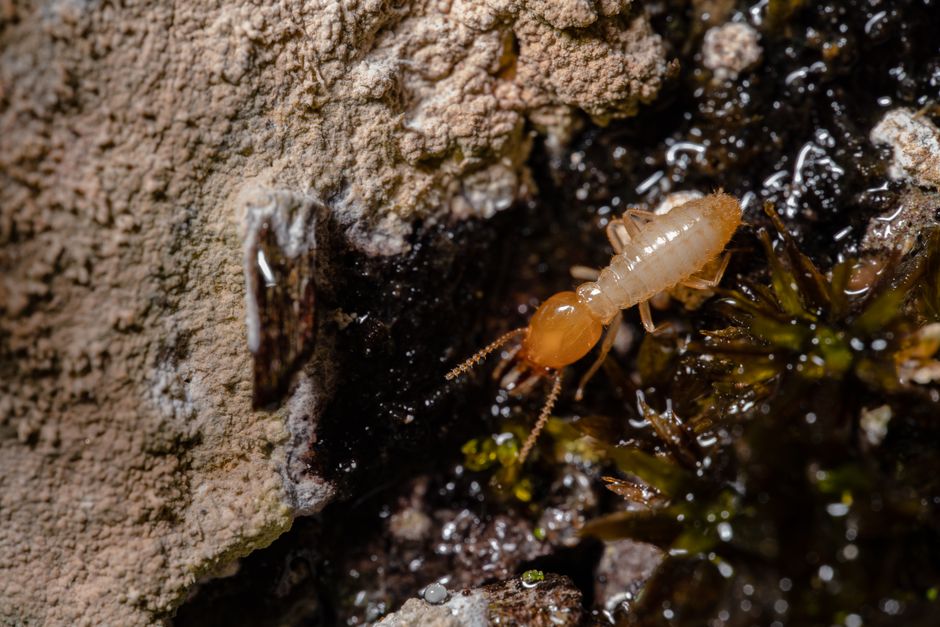
Termites belong to the order Isoptera, characterized by social insects living in highly organized colonies. The social structure of a termite colony includes various castes with specific functions: workers, soldiers, and reproductives (queen and king). Workers are the most numerous and are responsible for food collection, nest construction, and brood care. Their diet focuses on cellulose-rich materials, with wood being their primary source. Termites’ ability to digest cellulose is due to a mutualistic symbiosis with microorganisms (protozoa and bacteria) that inhabit their hindgut. These symbionts produce enzymes that hydrolyze cellulose into simple sugars, accessible for termite nutrition. This intricate biological relationship is key to their decomposer role and is the subject of intense research in fields such as biotechnology.
Enzymatic Processes in Cellulose Degradation
The process of wood decomposition by termites involves a combination of mechanical and biochemical actions. Workers use their strong mandibles to chew and fragment wood, creating galleries and tunnels within the woody substrate. This physical fragmentation increases the surface area for enzymatic action. Subsequently, gut microorganisms, primarily flagellated protozoa and bacteria, are responsible for the chemical digestion of cellulose and hemicellulose. Recent studies have identified enzymatic complexes in the termite gut that are extraordinarily efficient in degrading lignocellulosic biomass, even surpassing some industrial systems. This process not only releases nutrients for the colony itself but also breaks down wood into its basic organic components, reintegrating them into the ecosystem’s carbon and nutrient cycles. Unlike fungal decomposition, which often requires specific moisture conditions, termites can operate in a broader range of environments, accelerating nutrient cycling in arid and semi-arid soils.
In their natural habitat, termites are vital ecosystem engineers. Their foraging and nest-building activities contribute to soil aeration, improve water infiltration, and increase nutrient availability for plants. By decomposing dead wood and other plant debris, termites facilitate the release of carbon and nitrogen, which are recycled by other soil organisms. This process is crucial for soil fertility, especially in forests and savannas. Furthermore, their nests and galleries create microhabitats that host a wide diversity of invertebrates and microorganisms, increasing local biodiversity. However, in the context of human structures, the same decomposition capability that makes them ecologically valuable also makes them agents of deterioration. Understanding their colonization and feeding patterns is fundamental for developing integrated pest management strategies that minimize economic impact without compromising their global ecological function. Current research focuses on how their activities can be managed sustainably, even in agricultural settings, where they can contribute to soil health.
Ecological Role in Soil Structure and Fertility
Technological and scientific advancements are transforming our understanding and management of termites. Genomic and metagenomic sequencing has allowed for in-depth analysis of the termite gut microbiome, revealing novel enzymes with potential for biofuel and biomaterial production. For example, studies from the University of Buenos Aires and CONICET in Argentina are exploring the diversity of symbionts and their enzymatic capabilities. Regarding management, current trends lean towards more ecological and sustainable solutions. This includes the development of baits with insect growth regulators, which disrupt the colony’s life cycle without the use of broad-spectrum insecticides. Low-environmental-impact physical and chemical barriers, as well as biological control approaches with entomopathogenic fungi, are also being investigated. Permaculture and regenerative agriculture, growing movements in Argentina and the region, often consider termite activity in system design, seeking to balance their soil benefits with the protection of critical infrastructure. Remote sensing and acoustic sensors are also emerging as tools for early, non-invasive detection of termite activity, allowing for more precise interventions and minimizing the use of chemical treatments.
In summary, termites are much more than simple wood destroyers. They are ecosystem architects and indispensable nutrient recyclers. While their interaction with human constructions demands attention and management strategies, their ecological role in the organic matter cycle is irreplaceable. An informed, science-based perspective allows for an appreciation of the complexity of these social insects and fosters the development of solutions that promote sustainable coexistence, leveraging their ecological benefits while mitigating their negative impacts on the built environment.
Related Articles

Pollinators in the Vegetable Garden: Plant Diversity and Ecological Management for Productivity
Learn to attract and sustain pollinators in your garden through plant diversity and ecological practices to enhance crops and biodiversity.

Sustainable Design and Management of Garden Aquatic Ecosystems
Techniques for creating garden ponds that promote local biodiversity, improve microclimate, and ensure ecological self-sufficiency.

Piptochaetium napostaense: Propagation, Management & Adaptation
Explore the botany, cultivation techniques, and establishment of Piptochaetium napostaense, crucial for ecosystem restoration and productive systems.

Morphology, Ethology, and Agronomic Role of Bumblebees (*Bombus* spp.)
Explore the unique characteristics of bumblebees, their importance in buzz pollination, and their economic impact on key crops.