Integrated Management of Ceratitis capitata: Biology, Monitoring, and Control in Fruit Cultivation
Integrated pest management strategies for Ceratitis capitata, covering its life cycle, monitoring, and control techniques.
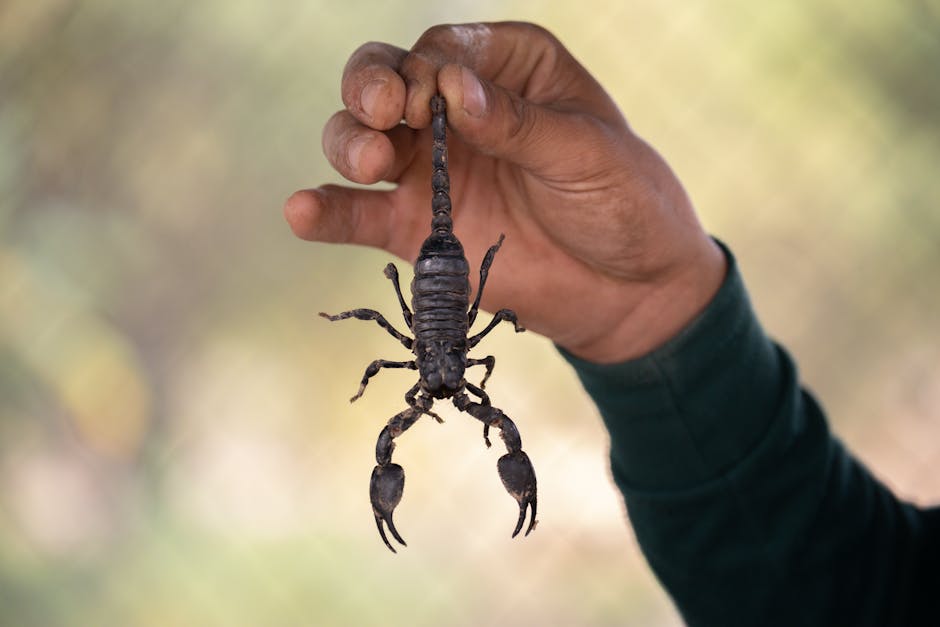
Biological Cycle and Morphogenesis of Ceratitis capitata
The fruit fly, Ceratitis capitata, is one of the most devastating pests in global fruit cultivation, causing significant economic losses in crops such as peaches, citrus, figs, and apples across Latin America, including the vast region of Buenos Aires. This dipteran, of African origin, has successfully adapted to diverse climates, becoming a constant challenge for producers and gardeners. Effective management of this pest not only protects harvests but also contributes to agricultural sustainability and biodiversity, a fundamental pillar in the regenerative agriculture and permaculture practices gaining traction in the region.
Understanding the fruit fly’s life cycle is essential for its control. The adult Ceratitis capitata is a small fly, approximately 4-5 mm in length, with a grayish thorax and black spots. Its wings are transparent with a distinctive pattern of yellow, brown, and black bands. Females possess a robust ovipositor which they use to deposit their eggs under the epidermis of ripe or ripening fruits. Each female can lay hundreds of eggs during her lifetime. Upon hatching, the legless, creamy-white larvae feed on the fruit pulp, causing it to rot and drop prematurely. Larval development lasts between 6 and 10 days, depending on temperature. Subsequently, the larvae leave the fruit to pupate in the soil, where they remain for 10 to 20 days before emerging as adults, completing a cycle that can repeat several times a year under favorable conditions. This detailed knowledge facilitates early identification and the application of precise management strategies.
Detection Methodologies and Population Quantification
Constant monitoring is the cornerstone of any successful pest control strategy. Early detection of Ceratitis capitata allows for the implementation of preventive measures before populations reach critical levels. An effective technique is the use of monitoring traps, such as yellow chromatic traps with specific pheromones or food attractants (like diammonium phosphate solutions or hydrolyzed proteins). These traps are strategically placed in fruit trees and checked regularly to quantify the presence and population density of adults. Currently, innovations include the development of smart traps that use sensors and IoT connectivity to report captures in real-time, enabling a more agile response and optimizing resources. In addition to trapping, periodic visual inspection of developing fruits is crucial to identify stings or signs of larval infestation, indicating the need to intensify control measures.
The control of Ceratitis capitata is based on an Integrated Pest Management (IPM) approach, which combines various tactics to minimize environmental impact and ensure long-term effectiveness. The most relevant techniques include:
Integrated Management Approaches and Physical Barriers
- Cultural Control: This is the first line of defense. It consists of the systematic collection and destruction of all fallen or infested fruits, both from the ground and the tree. This interrupts the life cycle by eliminating larvae before they pupate. Proper pruning to improve aeration and sunlight exposure of fruits can also deter the pest. Selecting early or late-maturing varieties can help avoid population peaks of the fly.
- Physical Control: The use of fine-mesh insect screens to cover trees or plots is a highly effective physical barrier, especially in small or family orchards. “Mass trapping” (mass trapping) devices, which use potent attractants to capture large numbers of adult flies, are another valuable tool for reducing the population.
- Biological Control: Current research focuses on the use of natural enemies. Some parasitoids, such as Fopius arisanus or Diachasmimorpha longicaudata, are wasps that parasitize the larvae or pupae of the fruit fly. While their large-scale application is complex, advances in mass rearing and controlled release of these organisms offer promising solutions. The use of entomopathogenic nematodes for controlling pupae in the soil is another emerging technique.
- Chemical Control (selective): When populations are high and other measures are insufficient, specific toxic baits can be employed, combining a low-toxicity insecticide with a food attractant. These are applied at specific points on the plant, minimizing exposure to beneficial insects and the environment. The sterile insect technique (SIT), which involves the mass release of sterile male flies to reduce wild population reproduction, represents a significant advancement, although its implementation is regional and requires considerable infrastructure.
The implementation of a long-term management plan and the adoption of resilient practices are crucial to mitigate the impact of Ceratitis capitata. Diversifying crops and promoting biodiversity in the orchard environment can foster populations of beneficial insects. Research into fruit varieties resistant to the fruit fly is an active field, seeking genotypes with harder skins or natural repellent compounds. Collaboration among producers and the dissemination of knowledge about best practices are essential for effective regional control. In the context of climate change, adapting management strategies to face changing weather patterns, which can influence pest population dynamics, is a continuous challenge driving innovation in plant health and sustainable agriculture.
Related Articles
Ipomoea batatas: Botanical Characteristics, Cultivation, and Post-Harvest in Temperate Climates
Master sweet potato (Ipomoea batatas) cultivation: from variety selection and environmental conditions to harvesting and storage techniques.

Magnesium Deficiency in Lettuce: Diagnosis, Factors, and Management
Addresses symptoms of interveinal chlorosis, soil availability factors (pH, texture, antagonism), and correction strategies (amendments, foliar).

Sustainable Landscape Design: Principles for Minimizing Garden Maintenance
Master key principles and practical strategies for designing a beautiful, resilient garden that requires significantly less ongoing care and resource input.

Pollinator Gardens: Ecological Principles and Practical Implementation
Master ecological principles and practical strategies for designing gardens that attract and support vital pollinator populations, enhancing biodiversity and garden productivity.