Petunia Cultivation Optimization: Selection, Propagation, and Sustainable Management
Establishment, propagation (seeds/cuttings), irrigation, nutrition, and plant health for vigorous and prolonged petunia flowering.

Genotype Selection and Regional Climate Adaptation
Petunias, with their lush blooms and wide color palette, are an essential element in parks, gardens, and balconies across Argentina and all of Latin America. Their visual appeal makes them a favorite choice for beautifying spaces, but successful cultivation requires specific techniques and a deep understanding of their needs. Adopting informed and sustainable practices ensures vigorous growth and prolonged flowering, transforming any corner into a floral spectacle.
The foundation for prosperous petunia cultivation lies in proper site preparation and the selection of suitable cultivars. Substrate quality is a determining factor; petunias thrive in well-drained soils, rich in organic matter, and with a slightly acidic pH between 6.0 and 7.0. Incorporating compost or worm castings significantly improves soil structure, nutrient retention, and aeration. Regarding sun exposure, these plants require at least six hours of direct sunlight daily for optimal flowering. In regions with intense summers, such as some areas of Buenos Aires, partial shade during the hottest hours can prevent heat stress.
The genetic diversity of petunias has led to the development of numerous modern hybrids, offering advantages like increased disease resistance, tolerance to adverse climatic conditions, and an extended range of flower shapes and sizes. Varieties such as the ‘Wave’ or ‘Supertunia’ series exhibit a trailing growth habit, ideal for pots and baskets, while others are more compact, suitable for borders and beds. Variety selection should consider the local microclimate and available space, seeking adapted cultivars that optimize floral yield and plant longevity.
Substrate Formulation and Drainage Parameters
Petunia propagation can be done via seeds or cuttings, each method with its peculiarities. Seed germination, while requiring patience, allows for obtaining a large number of plants. It is recommended to sow in trays with sterile, light substrate, maintaining a constant temperature of 22-24°C and high humidity, lightly covering the seeds with a thin layer of vermiculite. Light is crucial for the germination of many petunia varieties, so they should not be buried deeply. Transplanting to individual pots is done once seedlings have developed two or three pairs of true leaves.
Propagation by cuttings is an efficient method for faithfully replicating the characteristics of a desired parent plant, especially in hybrid varieties. Young, non-flowering stems of approximately 10-15 cm in length are selected, making a clean cut below a node. Removing the lower leaves and applying rooting hormones significantly increases success rates. Cuttings are inserted into a light, moist substrate, such as perlite or a peat and sand mixture, and kept in a warm, high-humidity environment until roots develop, which usually takes between two and four weeks. This technique is particularly useful for gardeners seeking to maintain a specific variety year after year.
Adequate water management is fundamental for the health of petunias. These plants prefer soil that is constantly moist but not waterlogged, which can lead to root rot. Irrigation frequency varies depending on temperature, ambient humidity, substrate type, and pot size. In hot, dry climates, daily watering may be necessary. Implementing drip irrigation systems or using self-watering pots are innovations that optimize water consumption and ensure constant, efficient hydration, crucial for sustainability in urban gardening. Soil moisture sensors represent another technological tool that allows for precise watering, avoiding both deficit and excess.
Irrigation Protocols and Foliar Fertilization Schedules
Balanced fertilization is essential to sustain vigorous petunia flowering. A water-soluble liquid fertilizer with a balanced nitrogen, phosphorus, and potassium (N-P-K) formulation, applied every two weeks during the growing season, promotes foliage and flower development. Applying slow-release fertilizers at the beginning of the season is also beneficial. For organic approaches, incorporating compost or worm castings into the substrate and using compost teas as liquid fertilizers provide nutrients gradually and improve long-term soil health. Iron deficiency can manifest as chlorosis (leaf yellowing), requiring the application of iron chelates.
Regular pruning is a critical maintenance practice for petunias, as it stimulates continuous flower production and maintains a compact, attractive shape. Removing spent flowers (deadheading) prevents seed formation, redirecting the plant’s energy towards producing new flower buds. Periodic pinching of long, leggy stems encourages lateral branching, resulting in a denser plant with more flowers. This practice is especially important in vigorous growing varieties.
Integrated pest and disease management is vital for the plant health of petunias. Common pests include aphids, spider mites, and whiteflies. Regular inspection allows for early detection. Biological control methods, such as introducing beneficial insects (e.g., ladybugs for aphids) or applying natural insecticides like neem oil, are preferable to synthetic chemicals, aligning with sustainable gardening trends. Fungal diseases like powdery mildew or root rot can be prevented through adequate watering, good air circulation, and avoiding excess foliage moisture. Recent research focuses on developing new petunia varieties with improved genetic resistance to diseases and pests, reducing the need for external interventions.
Pathogen Management and Biological Insect Control
Advances in petunia cultivation also include the use of mobile applications for plant health tracking, automated environmental monitoring systems, and optimizing LED lighting in protected cultivation. These innovations allow gardeners, both amateur and professional, to implement more precise and efficient practices, adapting to the challenges of climate change and the demand for more conscious and productive gardening.
Cultivating vibrant and healthy petunias is a rewarding process that combines botanical knowledge with the application of proven techniques. From proper substrate preparation and selecting suitable varieties to implementing efficient water and nutritional management, each step contributes to success. Constant attention to pruning and plant health, along with incorporating the latest innovations in the sector, ensures that these flowers continue to adorn our spaces with their unparalleled beauty. Dedication to these practices not only beautifies the environment but also fosters a deeper connection with the natural plant cycle and promotes more conscious and sustainable gardening.
Related Articles

Home Greenhouses: Design, Materials, and Environmental Management for Controlled Cultivation
Enhance home horticulture with DIY greenhouses: design, material selection, and environmental management for year-round growing.

Urban Adaptive Horticulture: Principles and Strategies of Garabato Cultivation
Garabato Cultivation optimizes urban spaces with flexibility, resilient species selection, and efficient water and waste management.
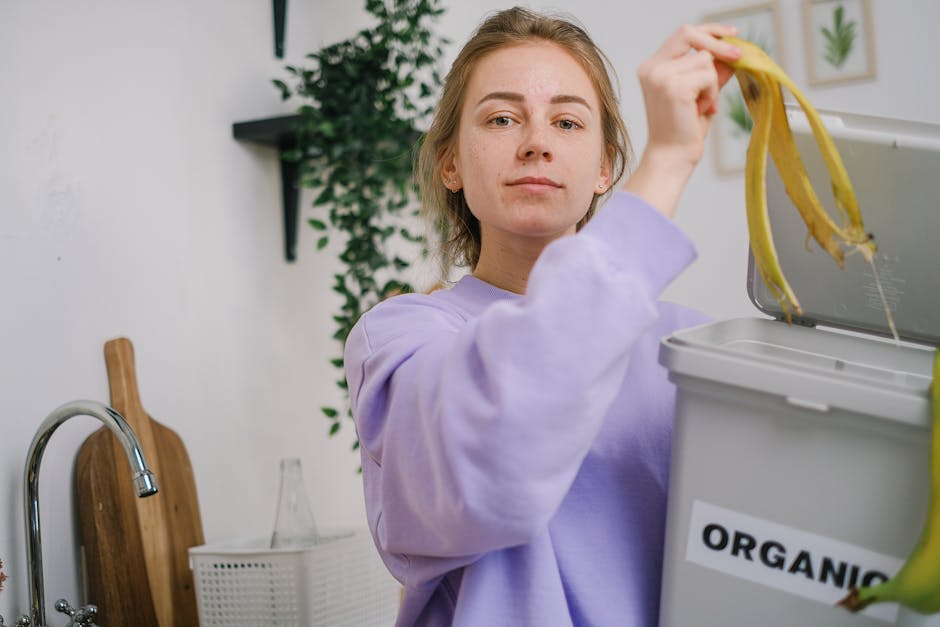
Home Composting: Transforming Organic Waste into Fertile Soil Amendment
Strategies for managing household organic waste, optimizing compost quality and its agronomic benefits for gardens and farms.
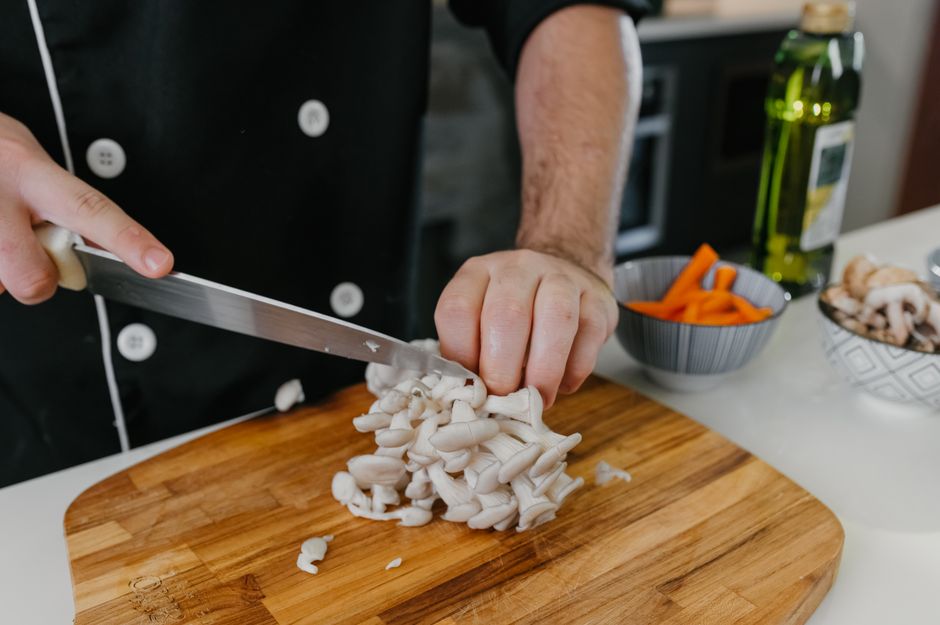
Oyster Mushroom Cultivation (Pleurotus ostreatus): Substrates, Incubation, and Fruiting
Detailed guide to home cultivation of oyster mushrooms, covering substrates, inoculation, incubation, and fruiting techniques for successful harvests.