Integrated Management of Fusarium oxysporum f. sp. lycopersici in Tomato: Biology, Prevention, and Control
Analysis of tomato Fusarium wilt: pathogen, symptoms, molecular diagnosis, and preventive, biological, and chemical strategies.
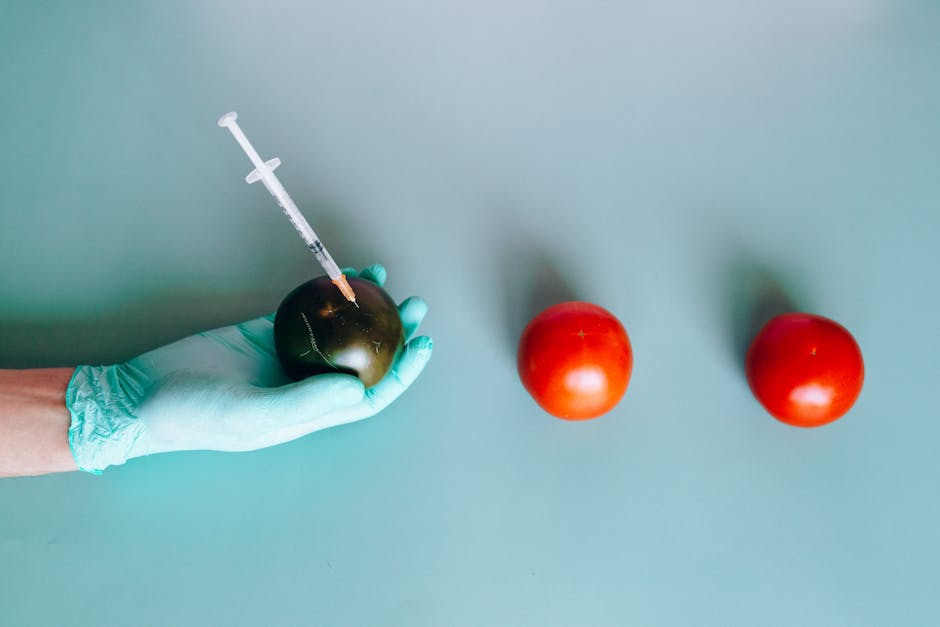
Molecular Characterization and Genetics of Solanum lycopersicum Varieties
Fusarium wilt, caused by the fungus Fusarium oxysporum f. sp. lycopersici, represents one of the most destructive diseases for tomato cultivation globally. Its ability to persist in the soil for years and the difficulty of its eradication pose significant challenges for growers in regions like Argentina and the rest of Latin America. Effective management of this phytopathology requires a deep understanding of its biology and the implementation of integrated strategies ranging from prevention to the application of innovative solutions, aiming for sustainability and productive resilience.
Fusarium wilt primarily manifests as vascular wilting in tomato plants, affecting their capacity to transport water and nutrients. The causal agent, Fusarium oxysporum f. sp. lycopersici, is a soil-borne fungus that penetrates plant roots and colonizes the xylem vessels, obstructing vital flow. Initial symptoms include yellowing and wilting of older leaves on one side of the plant, progressing to complete wilting and death. A longitudinal cut of the stem reveals brown discoloration in the vascular tissue.
The precise identification of pathogen races is crucial, as tomato variety resistance is often specific to certain races (e.g., Race 1, Race 2, or Race 3). Currently, molecular techniques such as PCR allow for rapid and accurate characterization of races present in the soil or plant tissue, surpassing traditional, more time-consuming inoculation methods. This advanced diagnostic capability is fundamental for selecting the most suitable resistant varieties and designing specific management strategies, a significant advancement in modern phytopathology.
Substrate Design and Irrigation Regimes for Root Pathogen Mitigation
Prevention is the cornerstone of Fusarium wilt management. Implementing appropriate cultural practices drastically reduces the risk of infection and inoculum buildup in the soil.
- Crop Rotation: Practicing rotations with non-host crops for at least three to five years is essential. This helps decrease the pathogen population in the soil. Cereals, legumes, or brassicas are viable options not affected by Fusarium oxysporum f. sp. lycopersici.
- Selection of Resistant Varieties: The availability of tomato varieties with genetic resistance is a powerful tool. Varieties exist that incorporate resistance genes (such as the I-2 or I-3 gene) conferring immunity to one or more races of the fungus. Current genetic research focuses on developing hybrids with multiple resistance, offering growers more robust options against pathogen diversity.
- Soil Management: Maintaining soil pH between 6.5 and 7.0 can reduce disease severity. Good drainage is essential, as excess moisture favors fungal development. Soil solarization, a technique that uses solar energy to disinfect the soil, is effective in warm climates, reducing pathogen and weed loads. This involves covering moist soil with a clear polyethylene sheet for several weeks in summer, raising the temperature to lethal levels for the fungus.
- Seed and Seedling Health: Using certified, pathogen-free seeds is indispensable. Seed disinfection through thermal treatments or with biological products can also be an effective preventive measure.
- Crop Hygiene: Regular disinfection of tools, equipment, and greenhouse structures (pots, stakes) with solutions like sodium hypochlorite or quaternary ammonium compounds prevents the spread of the fungus between plants and plots. Promptly removing and destroying infected plants is crucial to avoid inoculum propagation.
When preventive measures are insufficient, integrating biological control and, in specific cases, chemical control is necessary.
Implementation of Biological Agents and Selective Antifungal Compounds
- Biological Control: The use of antagonistic microorganisms represents a growing trend in sustainable agriculture. Species such as Trichoderma harzianum and Bacillus subtilis are widely studied and commercially available. These biological agents act by competing with Fusarium for nutrients and space, producing antifungal compounds, or even directly parasitizing the pathogen. Applying these products to the root zone, either through irrigation or as seed treatment, can establish a protective barrier. Recent research in Argentina and Brazil explores the efficacy of native strains of these microorganisms, adapted to local conditions, to improve their performance.
- Chemical Control: Systemic fungicides can be an option for managing Fusarium wilt, especially in situations of high disease pressure. However, their use must be rational and part of an integrated management program to prevent pathogen resistance development and minimize environmental impact. Treatments should be carried out strictly following manufacturer recommendations and local regulations, prioritizing low-toxicity and high-specificity products. Localized or drench application can be more efficient and reduce the amount of product used.
The future of Fusarium wilt management in tomatoes is shaped by the incorporation of advanced technologies and precision agriculture approaches.
- Smart Monitoring and Remote Sensing: Soil sensors measuring moisture, temperature, and pH, combined with data analysis platforms, allow for the identification of conditions favorable to the pathogen and alert about risks. Drone-based remote sensing equipped with multispectral cameras can detect subtle changes in vegetation indicating stress or disease before symptoms are visible to the human eye, facilitating early and localized interventions.
- Advanced Genetic Improvement: Beyond natural resistance, gene editing (CRISPR-Cas9) offers the possibility of introducing or enhancing resistance genes more quickly and precisely. Ongoing research aims to identify and manipulate key genes conferring durable, broad-spectrum resistance against multiple Fusarium races, a strategy that could revolutionize tomato protection.
- Bio-inputs and Regenerative Agriculture: The trend towards regenerative agriculture promotes soil health by increasing organic matter and microbial biodiversity. This creates an environment less conducive to pathogens like Fusarium. The development and adoption of customized bio-inputs, formulated from microbial consortia specific to the soil conditions of each region, represent a promising frontier.
- Sustainability and Climate Change: Climate change can alter the geographic distribution and virulence of pathogens. Current research focuses on understanding how temperature and humidity variations impact Fusarium wilt and on developing more resilient tomato varieties for these new scenarios, adapted to water or thermal stress conditions.
Epidemiological Surveillance and Early Detection Technologies for Fusarium Wilt
Conclusion
Managing Fusarium wilt in tomatoes is a complex challenge demanding a holistic and adaptive approach. The strategic combination of resistant varieties, preventive cultural practices, biological control, and the rational use of fungicides, along with the incorporation of technological innovations, are essential to protect crops and ensure production sustainability. Continuous research, often supported by institutions like INTA in Argentina and recommendations from the FAO, and the adoption of new tools offer a path to mitigate the impact of this disease, ensuring the productivity and resilience of tomato farms in Argentina and throughout the region.
Related Articles

Integrated Powdery Mildew Control in Cucurbits: Strategies
Explore preventive and control methods for powdery mildew in cucurbits, integrating cultural practices, bio-inputs, and technological advancements for effective management.
Crop Rotation for Streptomyces scabies Management in Potatoes
Implement crop rotation with cereals, legumes, and brassicas to suppress Streptomyces scabies and improve potato soil health.

Legumes in Sustainable Agriculture: Fundamentals, Management, and Ecological Benefits
Strategies for growing legumes (beans, peas, lentils) in gardens: preparation, selection, management, nitrogen fixation, and harvesting.

Cultivate Garden Gold: The Essential Guide to Homemade Composting Success
Learn how to effortlessly transform kitchen scraps and garden waste into nutrient-rich compost, enriching your soil and boosting plant health sustainably.