Crop Rotation and No-Till Farming: Pillars of Latin American Sustainable Agriculture
Maximize soil health and productivity with crop rotation and no-till farming: improve structure, biodiversity, and agricultural resilience.
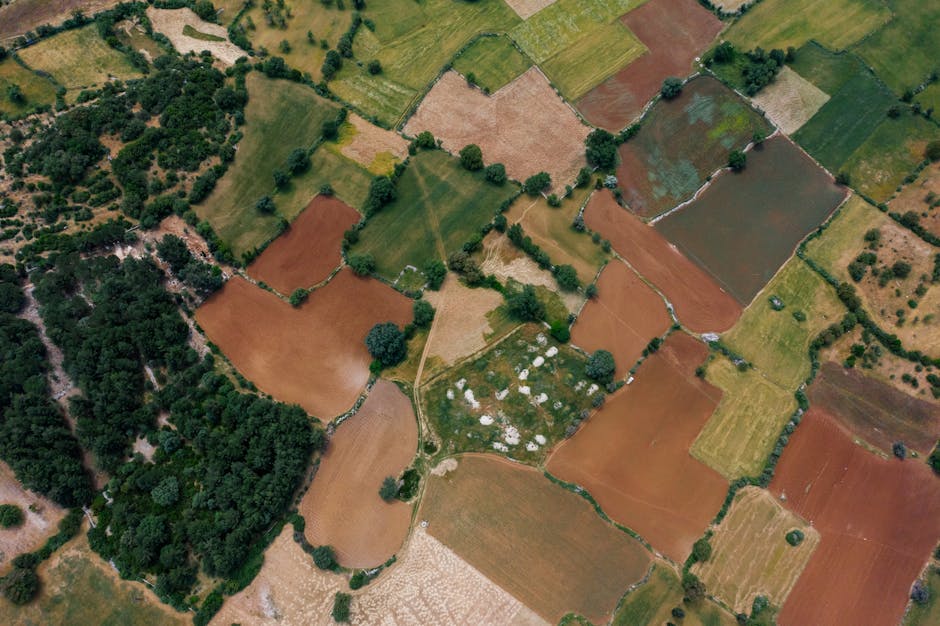
Diversifying Soil Microbiota Through Crop Alternation
The implementation of crop rotation within no-till farming systems stands as a cornerstone for modern agricultural sustainability. This practice, which focuses on keeping the soil covered and minimizing disturbance, enhances the health of the soil ecosystem and optimizes long-term productivity. In regions like Argentina and other parts of Latin America, where no-till farming has gained significant traction, appropriate crop rotation is crucial for mitigating challenges such as erosion, organic matter degradation, and the proliferation of pests and diseases.
No-till farming, by eliminating tillage, promotes the formation of a stable soil structure and the accumulation of surface residues. Within this framework, crop rotation gains even greater relevance, serving as the primary mechanism to diversify soil microbial flora, interrupt pest and weed cycles, and optimize nutrient utilization. A well-planned rotation involves alternating species with different root architectures (e.g., taproots like soybeans or sunflowers, and fibrous roots like cereals), varying nutrient demands, and diverse botanical families.
This approach allows for exploration of different soil profile strata, improving aeration and water infiltration, and mobilizing nutrients that would otherwise remain inaccessible. For instance, legumes, such as vetch or clover, are essential for their ability to fix atmospheric nitrogen, naturally enriching the soil and reducing reliance on synthetic fertilizers. The inclusion of grasses, on the other hand, contributes significant biomass that increases organic matter and improves soil structure through their dense root systems. A study by INTA (National Agricultural Technology Institute) on no-till systems in the Humid Pampa region has demonstrated that crop sequences with high diversity contribute significantly to soil aggregate stability and resilience against extreme weather events.
Root Architecture and Nutrient Mobilization in Zero Tillage
Designing an effective crop rotation sequence in no-till systems requires careful planning. It is fundamental to consider the integration of cash crops with cover crops (also known as green manures or service crops). Cover crops not only protect the soil from erosion and compaction but also suppress weeds, improve soil structure, contribute organic matter, and can even recycle nutrients. The choice of species for rotation should be based on local climate, soil type, and specific agronomic objectives.
A common strategy includes alternating summer crops (corn, soybeans, sunflowers) with winter crops (wheat, barley, oats) and interposing cover crops. For example, after harvesting a summer crop, a mixture of vetch and oats can be sown as a cover. This biomass is left to decompose in the soil before the direct seeding of the next cash crop. This practice not only enriches the soil with nitrogen and carbon but also contributes to agroecosystem biodiversity, attracting beneficial insects and pollinators. Recent research in regenerative agriculture emphasizes the importance of keeping the soil constantly covered and with living roots, which is optimally achieved through diverse rotations and the strategic use of cover crops.
The benefits of crop rotation in no-till systems extend beyond improved productivity. At an ecosystem level, this combination of practices contributes to climate change mitigation by increasing soil carbon sequestration. Improvements in soil structure and increased organic matter result in greater water-holding capacity, which is vital in regions with erratic rainfall patterns or drought periods. Furthermore, crop diversity reduces pest and disease pressure, decreasing the need for phytosanitary inputs and fostering a natural balance in the field.
Integration of Cover Crops and Biomass for Soil Structure
The soil’s microbial biodiversity is significantly enriched, which in turn enhances the decomposition of organic matter and nutrient availability for plants. This biological resilience is a fundamental pillar for the long-term sustainability of agricultural systems. Producers adopting these practices report greater yield stability and a progressive reduction in production costs as soil health improves. An example of this is the growing adoption of these techniques in the Pampas region, where improvements in water use efficiency and crop resistance to adverse conditions are observed. For more information on these practices, organizations like the FAO and INTA offer valuable resources and updated studies on conservation agriculture and its impacts.
In summary, crop rotation in no-till systems is not just an agronomic technique but a management philosophy that promotes soil health and agroecosystem resilience. By integrating species diversity with minimal soil disturbance, a more robust, efficient, and environmentally friendly production system is built, laying the foundation for truly sustainable agriculture in the future.
Maximizing Soil Health and Productivity with Crop Rotation and No-Till Farming No-Till Farming and Crop Rotation in the Humid Pampa
Related Articles

Deep Water Culture: Hydroponic Principles, Components, and Nutritional Optimization
Explore the DWC hydroponic system: oxygenation principles, essential components, and pH/EC management for optimized production.

Home Medicinal Garden: Cultivating Plants for Wellness and Their Benefits
Learn how to grow medicinal plants at home to enhance your well-being and lifestyle. A practical guide for your home.

Urban Home Horticulture: Nutritional, Ecological, and Technological Benefits
Understand the impact of home gardens on nutrition, biodiversity, and the economy, integrating urban techniques and automation.

Integrating Hoverflies in Gardens for Biological Control and Pollination
Attract hoverflies with strategic botanical design: accessible flowers, continuous bloom, and safe habitats for pest control and pollination.