Misiones Rainforest Gardening: Edaphoclimatic Adaptation and Sustainable Cultivation Strategies
Investigates edaphoclimatic factors, native species selection, fertility management, and permaculture techniques for resilient rainforest gardens.
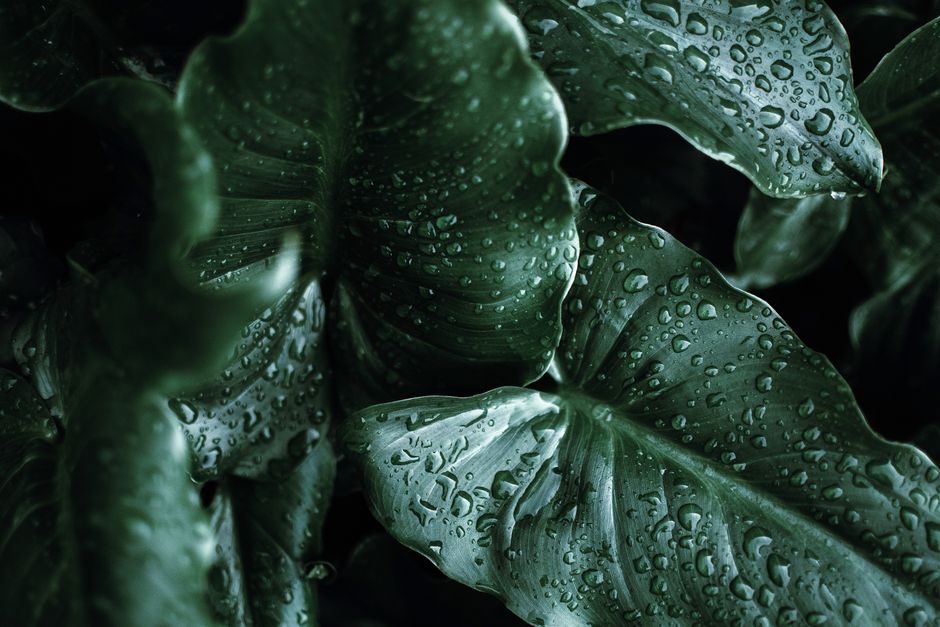
Edaphoclimatic Factors and Their Impact on the Misiones Rainforest
The Misiones rainforest, an ecosystem of immense biodiversity in northeastern Argentina and bordering regions, presents a unique setting for gardening. This biome, characterized by its exuberance and complexity, imposes particular challenges but also offers exceptional opportunities for those seeking to create green spaces in harmony with nature. Adapting to the extreme conditions of humidity, shade, and acidic soils is fundamental for success, transforming each garden into a living laboratory of sustainability and resilience.
Analysis of the edaphoclimatic factors of the Misiones rainforest: fundamental understanding for crop development.
Misiones’ subtropical climate without a dry season is distinguished by abundant rainfall, exceeding 1,800 mm annually, and consistently high relative humidity. While these conditions promote dense vegetation, they also bring challenges such as accelerated nutrient leaching and poor drainage in certain soils. The region’s edaphology is characterized by lateritic soils, generally acidic (pH between 4.5 and 5.5) and with a surface layer rich in constantly decomposing organic matter. However, this superficial richness can be misleading, as nutrients are rapidly recycled and soil structure can become compacted at depth. The dense tree canopy of the rainforest drastically limits sunlight penetration, creating an understory with permanent shade conditions. Understanding these factors is crucial for selecting appropriate species and applying cultivation techniques that respect and leverage the ecosystem’s natural dynamics. Careful water management, both to ensure adequate drainage and to capture excess, becomes a priority in this environment.
Plant Adaptation and Sustainable Cultivation Strategies
Proposals for native plant species and sowing methods adapted for local ecosystem conservation.
The key to successful gardening in the Misiones rainforest lies in prioritizing native plant species or those naturally adapted to similar conditions. Plants such as epiphytic orchids, tree ferns, bromeliads, indigenous palms (e.g., the Pindó or Syagrus romanzoffiana), and wild yerba mate (Ilex paraguariensis) are examples of local flora that thrive under these conditions. Implementing agroforestry or permaculture techniques allows for mimicking the rainforest structure, cultivating in different strata: an upper canopy with tall trees, a middle layer of shrubs and climbing plants, and an understory of herbaceous and groundcover species. This maximizes the use of available light and fosters biodiversity. To improve drainage in heavy or acidic soils, raised beds (elevated planters) are an effective solution, allowing greater control over the substrate and its properties. Propagating these resilient species, whether by seed or cuttings, ensures the garden’s long-term continuity and adaptation. For more information on native species, the Misiones Botanical Garden offers valuable resources. [https://www.misiones.tur.ar/jardin-botanico-de-posadas/]
Soil fertility management: organic techniques to optimize plant nutrition in tropical climates.
Soil Fertility Management and Organic Nutrition
The rapid decomposition of organic matter in warm, humid climates demands a constant strategy to maintain soil fertility. Composting, especially rapid composting, is essential for recycling organic waste and providing humus, thereby improving the substrate’s structure and nutrient-holding capacity. The use of mulch with dry leaves, pruning waste, or wood chips not only helps retain soil moisture and suppress weeds but also gradually contributes organic matter and nutrients as it decomposes. Given the natural acidity of Misiones soils, amendments such as agricultural lime or wood ash may be considered to adjust pH, always in moderation and after soil analysis to prevent imbalances. Incorporating biofertilizers, like worm castings, and promoting effective microorganisms (EM) enriches soil life, enhancing nutrient availability and overall plant health. Conducting periodic soil analyses, available through entities like INTA, allows for informed decisions regarding the garden’s specific needs. [https://inta.gob.ar/]
Implementation of technological innovations and permaculture principles: more resilient tropical gardening systems.
Gardening in the Misiones rainforest benefits greatly from the integration of innovations and sustainable design principles. Efficient rainwater harvesting systems are crucial for supplementing irrigation during atypical dry spells or for ensuring quality water. Adapted drip irrigation, with moisture sensors, optimizes water resource use, preventing waterlogging and excessive leaching. Biological control of pests and diseases, using beneficial insects or plant extracts, minimizes reliance on chemical products, protecting the environment’s rich biodiversity. Applying permaculture principles, such as zone design and energy efficiency, allows for the creation of productive and aesthetically pleasing systems that require minimal intervention. Current research focuses on identifying and developing native varieties resistant to climate change, a global trend aimed at strengthening the resilience of local ecosystems. Connecting these efforts with ecotourism and regional biodiversity conservation, as promoted by the Argentine Wildlife Foundation, enhances the positive impact of each garden. [https://www.vidasilvestre.org.ar/]
Innovation in Resilient Gardening Systems and Biodiversity
Gardening in the Misiones rainforest biome is an exercise in adaptation and respect for nature. By understanding its inherent challenges and leveraging the opportunities offered by its vast biodiversity, gardeners can cultivate spaces that not only beautify but also contribute to ecosystem sustainability. Integrating ancestral techniques with modern innovations, selecting appropriate species, and conscious soil management are pillars for a thriving and resilient garden in this unique environment. Each cultivated plant becomes a testament to the possible balance between human intervention and the magnificence of the rainforest.
Related Articles
Amazon Gardening: Soil, Agroforestry & Water Management
Analyzes Amazonian soil science, agroforestry, and water management, highlighting `terra preta`, native species, and permaculture for resilient cultivation.
Domestic Medicinal Gardens: Cultivation, Sustainability, and Technological Monitoring
Master cultivation, propagation, and biological control techniques for medicinal plants, integrating permaculture and sensors to optimize your garden.

Crop Association: Ecological Synergy for Resilient and Productive Gardens
Principles of plant interactions, biological control, soil fertility, and successful combinations to optimize your garden.

Homemade Organic Fertilization: Composting, Vermicomposting, and Leachate for Sustainable Gardens
Master composting, vermicomposting, and leachate methods to create homemade organic fertilizers for eco-friendly crop nutrition.