Rain Gardens: Design, Biofiltration & Maintenance for Stormwater
Urban biofiltration structures: design, components (soil, plants, mulch), and maintenance to mitigate runoff and improve water quality.

Structural Components and Stormwater Biofiltration
Efficient stormwater management represents a crucial challenge in urban and suburban environments. The growth of impervious surfaces intensifies surface runoff, generating problems of flooding, erosion, and contamination of water bodies. Rain gardens offer an innovative and ecological strategy to mitigate these impacts. These functional landscaping structures not only beautify but also act as micro-ecosystems that intercept, absorb, and filter rainwater, reducing the load on drainage systems and recharging aquifers. Their adoption aligns with trends in climate resilience and sustainable urban agriculture, offering practical solutions for homes and communities, reflecting a commitment to responsible water management.
A rain garden is a shallow depression designed to capture runoff from impervious surfaces. Its function is based on biofiltration and temporary storage. The typical structure includes several essential components. The excavated depression forms the retention basin, with a depth of 15 to 30 centimeters, allowing water to accumulate for infiltration. The soil composition is fundamental; a mix that optimizes infiltration and aeration is recommended, combining native topsoil with coarse sand and organic compost. This amendment improves structure, moisture retention, and permeability, facilitating absorption and root development. The compost enriches soil microbiology, essential for pollutant decomposition. The selection of plant species is critical. Native or locally adapted plants tolerant to waterlogged conditions and drought are chosen. These stabilize the soil, prevent erosion, and absorb nutrients/pollutants, purifying the water. Additionally, they provide habitat for pollinators and increase biodiversity. Recent studies, such as those by the National Institute of Agricultural Technology (INTA) in Argentina, highlight the effectiveness of indigenous species in phytoremediation.
Finally, a mulch layer (organic covering) on the surface suppresses weeds, retains moisture, regulates temperature, and prevents erosion. It decomposes slowly, contributing organic matter and nutrients. The integration of these elements creates a resilient system that processes stormwater naturally and sustainably.
Topographic Design and Plant Species Selection
Effective rain garden design begins with a meticulous site assessment. Strategic location is key: at a safe distance from foundations (3 meters) and in an area that intercepts maximum runoff, such as near downspouts. Site topography influences placement; a slight slope is preferable for controlled flow. Determining the size depends on the impervious area to be managed and the soil’s infiltration capacity. Generally, the garden area should be 5% to 10% of the catchment area. For example, for a 100 m² roof, a 5 to 10 m² garden is suitable. Clay soils might require a larger area. The excavation depth is adjusted to the water volume and plant tolerance. The existing soil composition is determinant. A simple percolation test provides crucial data for deciding on amendments. Clay soils require more sand and compost; sandy soils, more compost.
The selection of plant species should prioritize functionality and resilience. For the climate of Argentina and Latin America, native plants that tolerate water fluctuations are considered. Examples include Pennisetum alopecuroides, Equisetum giganteum, or various species of Cyperus and Juncus for wet areas. In drier edges, Salvia guaranitica or Baccharis articulata can thrive. Diversifying the flora contributes to ecosystem stability and attracts beneficial fauna.
The construction of a rain garden involves several phases. First, the area is marked, and the depression is excavated, leveling the bottom for uniform water distribution. The excavated soil can form an elevated border to contain water. Then, soil modification within the basin is carried out, incorporating the mix of sand, compost, and topsoil according to needs. This step is crucial for establishing infiltration capacity. After that, the planting of selected species is done, grouping them according to their water requirements (higher moisture in the center, drier at the edges). Following planting, a 5 to 10 cm layer of organic mulch is applied. This minimizes evaporation, suppresses weeds, and contributes to soil health. Initial maintenance is fundamental. During the first few months, regular watering is required for establishment. Once mature, it is low-maintenance: occasional weeding, replenishing mulch, and pruning. It is vital to monitor drainage after heavy rains to ensure infiltration within 24-48 hours, preventing mosquito breeding. If drainage is slow, the soil should be aerated, or the substrate re-evaluated.
The integration of technologies is an emerging trend. Moisture sensors connected to smart irrigation systems optimize water use. The development of permeable paving materials complements the garden’s function, allowing more infiltration in the surrounding landscape. Adopting these systems improves stormwater management, promotes urban biodiversity, and creates green spaces resilient to climate change.
Substrate Modification and Infiltration Techniques
The implementation of rain gardens is an effective and aesthetically pleasing strategy for sustainable stormwater management in urban and peri-urban environments. These bio-engineered systems reduce surface runoff and flood risk, improve water quality by filtering pollutants, recharge aquifers, and beautify the landscape. Their design and construction are accessible, and their maintenance, once established, is minimal, making them a practical and economical solution. By integrating principles of permaculture and urban ecology, rain gardens contribute significantly to environmental resilience and the creation of healthier, more functional urban ecosystems. Investing in these green infrastructures is a commitment to a more sustainable future, in harmony with the natural water cycle.
Related Articles
Rain Gardens: Sustainable Water Management and Urban Biodiversity
Learn how rain gardens manage urban water, improve water quality, and foster biodiversity.

Permaculture: Designing Resilient Gardens with Ecological Principles
Learn how permaculture optimizes your garden through smart design, soil management, and biodiversity for sustainable harvests.
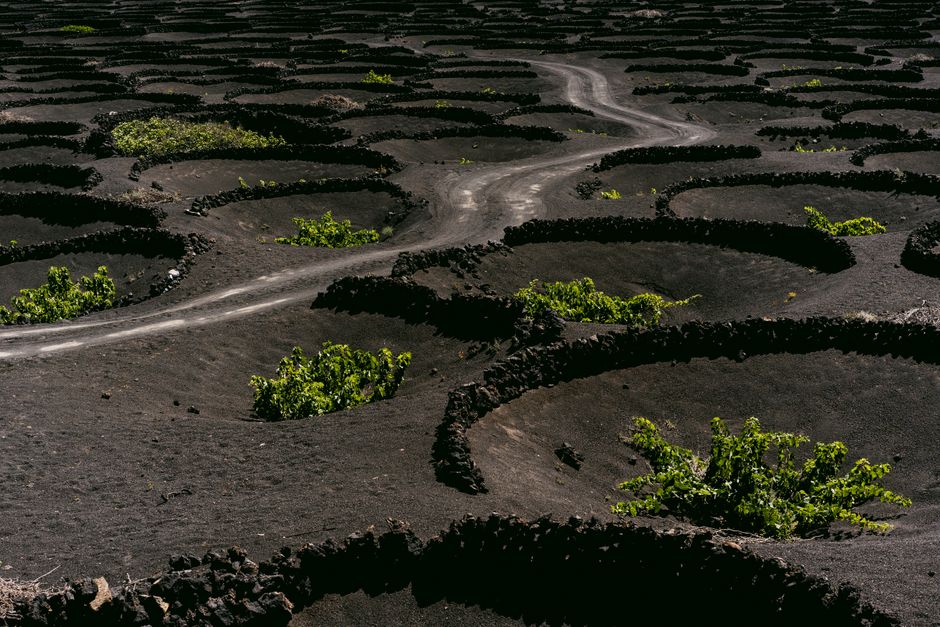
Sustainable Horticulture in Volcanic Ecosystems: Challenges and Solutions in the Galápagos
Managing invasive flora, optimizing water use, and employing regenerative techniques are key to resilient gardening in this fragile archipelago.

Iberá Sustainable Gardening: Native Species & Resource Management
Applying eco-friendly horticultural practices in wetlands: native flora, efficient irrigation, organic soil management, and biological control.