Ecological Garden Design and Management for Monarch Butterfly Conservation
Establishing sanctuaries for Danaus plexippus: selecting milkweed, nectar sources, habitat, and sustainable management practices.

Selecting Plant Species for the Danaus plexippus Life Cycle
Creating a garden focused on the monarch butterfly (Danaus plexippus) represents a significant contribution to pollinator conservation and urban biodiversity. These spaces not only beautify the surroundings but also provide vital habitat for monarchs throughout their life stages, from egg-laying to metamorphosis and migration. Designing a functional garden for these butterflies requires an understanding of their specific biological needs, integrating host plants for larvae and nectar sources for adults within a balanced and sustainable ecosystem.
The establishment of a monarch butterfly garden fundamentally depends on the choice of appropriate flora. Plants from the genus Asclepias, commonly known as milkweed, are essential as they constitute the sole food source for monarch larvae. Including native Asclepias species, such as Asclepias curassavica (though not native to all regions, it is widely used and tolerated) or Asclepias tuberosa (if the climate permits), optimizes the butterflies’ adaptation to the local environment and avoids the introduction of invasive exotic species. Ensuring a continuous supply of these plants during the butterflies’ active season is crucial.
Habitat Structuring and Abiotic Components for Pollinators
Complementarily, providing nectar sources rich in sugars is vital for adult butterflies. Species like Lantana camara, Verbena bonariensis, various Salvia cultivars, and Buddleja davidii (though its invasive potential in certain areas warrants monitoring) offer prolonged blooms and attract a wide range of pollinators. Planning for seasonal flowering ensures nectar availability from spring through fall, supporting monarch migration and reproduction. Floral diversity not only benefits butterflies but also enhances the resilience of the garden ecosystem.
The success of a monarch butterfly garden transcends mere plant selection; habitat configuration and consideration of abiotic factors are determining elements. Asclepias and most nectar-producing plants thrive in full sun, requiring at least six hours of direct light daily. Locating the garden in a sunny spot is therefore a priority. Soil composition also significantly influences growth; a well-drained substrate with a neutral to slightly acidic pH, enriched with organic matter, promotes root development and nutrient uptake. Incorporating mature compost improves soil structure and water retention capacity.
Ecological Management and Sustainability in Monarch Gardens
In addition to sun and soil, water availability is critical. Shallow water sources, such as dishes with pebbles or damp sand (known as ‘butterfly puddling stations’), allow monarchs to hydrate safely without the risk of drowning. Including shelter elements like large rocks, fallen logs, or dense shrubs provides protection from predators and adverse weather conditions, offering places for rest and roosting. These microhabitats are essential for the butterflies’ natural behavior and contribute to the garden’s stability as an ecosystem.
Maintaining a monarch butterfly garden demands a holistic and ecological approach, minimizing chemical intervention. Pest control is preferably managed through biological and manual methods, completely avoiding the use of systemic or broad-spectrum insecticides, which are lethal to monarch larvae and other beneficial insects. Encouraging natural predatory insects, such as ladybugs (Coccinellidae) and lacewings (Chrysopidae), and implementing companion planting techniques contribute to a natural balance. Regular plant observation allows for early and localized identification and management of pest issues.
Integrating Nectar Sources and Host Plants
Efficient irrigation practices, such as drip systems or organic mulching with wood chips or straw, conserve soil moisture, reduce the need for frequent watering, and suppress weed growth. These techniques not only optimize water usage, an increasingly valuable resource, but also enrich the soil over time. Incorporating homemade compost and organic amendments sustainably enhances soil fertility, promoting robust plant growth without resorting to synthetic fertilizers. Participation in citizen science projects, such as monarch population monitoring, provides valuable data for regional conservation and connects gardeners with a broader community of enthusiasts and scientists.
Creating a monarch butterfly garden is an act of conscious gardening that transcends aesthetics, forging a direct link with wildlife conservation. Through careful flora planning, habitat structuring, and the adoption of ecological management practices, gardeners can establish thriving sanctuaries that support the life cycle of these iconic butterflies and contribute to the health of our ecosystems.
Related Articles

Designing and Managing Dry Gardens: Adapting to Limited Water Conditions
Botanical and design criteria for resilient gardens: xerophytic species selection, water management techniques, and substrate optimization.

Rain Gardens: Green Infrastructure for Urban Water Resilience
Analysis of rain garden implementation, structural components, and ecosystem benefits for sustainable urban water management.
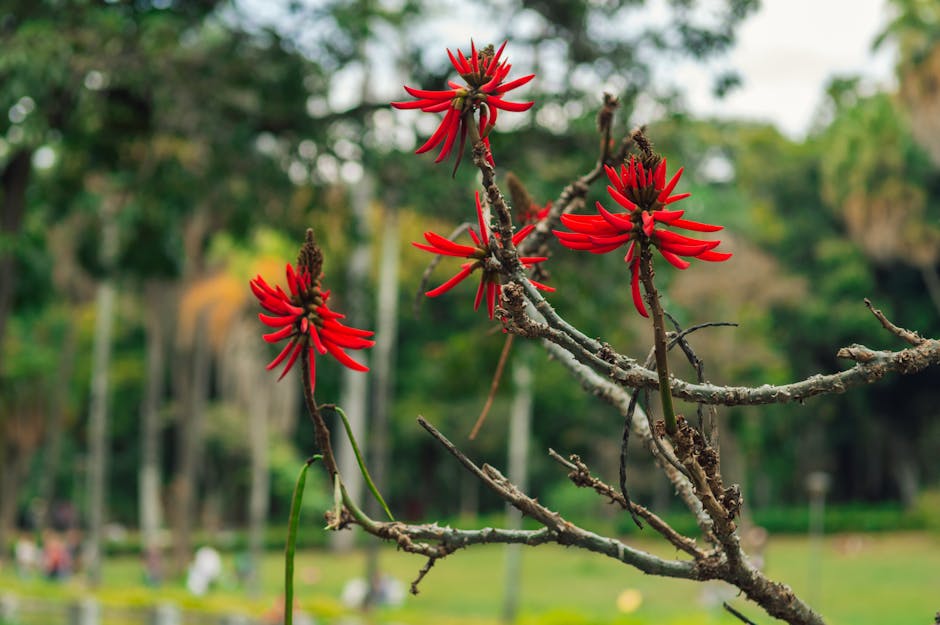
Erythrina crista-galli: Care, Propagation & Sustainable Management
Detailed analysis of climatic conditions, substrate, propagation methods, transplanting, and sustainable agronomic management of the Cockspur Coral Tree.
Sustainable Gardening: Design and Techniques for Low-Maintenance, High-Resilience Spaces
Integrate xeriscaping, smart irrigation, and biological control for an aesthetically pleasing, ecologically robust garden with minimal intervention.