High-Altitude Horticulture: Adaptation and Sustainability in the Colca Canyon
Farming strategies in the Colca Canyon: adapting to extreme altitude, managing volcanic soils and water, and employing ancestral/modern techniques.

Environmental and Edaphic Factors in High-Altitude Horticulture
The Colca Canyon, in the Arequipa region of Peru, is not only a landscape of majestic beauty but also a unique environment for horticulture. This article addresses the specificities of gardening in this high-mountain area, where climatic and edaphic conditions present unique challenges. We will explore cultivation strategies that enable food production in a fragile ecosystem, integrating ancestral knowledge with contemporary innovations for sustainable practice. Adaptation to altitude, intense solar radiation, and extreme thermal variations are fundamental pillars for the success of any agricultural initiative here.
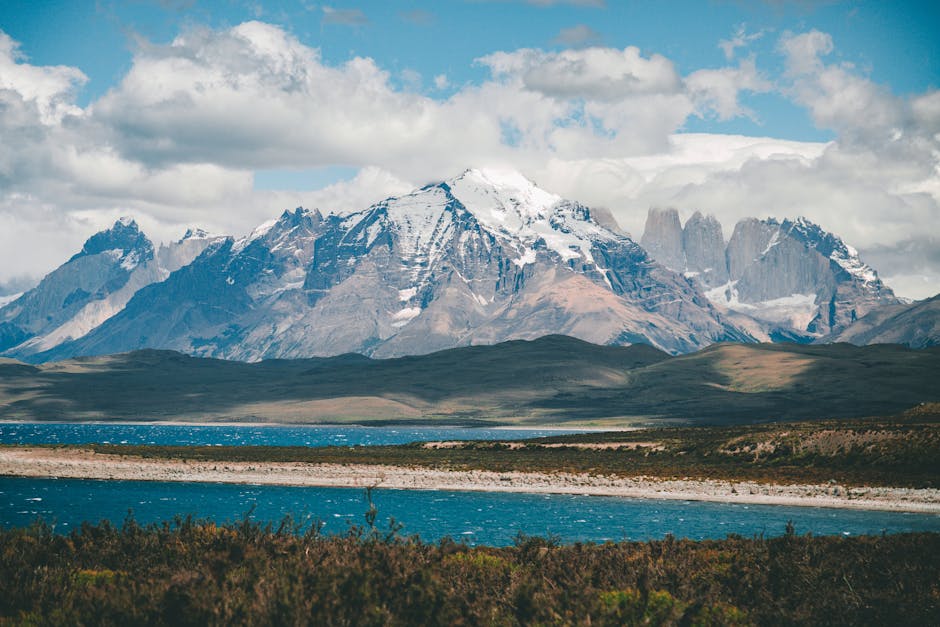
The Colca Canyon region is characterized by an average altitude ranging between 3,000 and 4,000 meters above sea level, imposing specific conditions for plant growth. Ultraviolet radiation is significantly high, and temperature fluctuations between day and night can be drastic, with frequent frosts. The soils, often of volcanic origin, have variable textures and low organic matter concentration, requiring careful management to enhance their fertility.
Adaptation of Andean Species and Ancestral Cultivation Techniques
Water availability is another critical factor. Although the area has water sources from glacier melt, its efficient management is essential. Ancestral irrigation systems, such as canals and ditches, demonstrate millennia-old hydraulic engineering that is today complemented by modern technologies to optimize resource use. Understanding these elements is the first step in developing resilient and productive gardening in the Colca.
The selection of suitable species is crucial for gardening in the Colca Canyon. Native Andean plants, such as quinoa (Chenopodium quinoa), potatoes (Solanum tuberosum) in their various varieties, corn (Zea mays), and cañihua (Chenopodium pallidicaule), are naturally adapted to these extreme conditions. These species not only withstand low temperatures and intense radiation but also form the basis of local food security.
Innovations in Water Management and Plant Nutrition
Traditional cultivation techniques, such as andenes or agricultural terraces, are fundamental. These structures not only prevent soil erosion but also create microclimates that mitigate cold effects and optimize water retention. To protect crops from frost, fabric covers or cultivation tunnels are used, especially on colder nights. Water management benefits from drip irrigation systems that complement traditional canals, ensuring precise and efficient water distribution. Regarding soil nutrition, composting organic waste and using animal manure are widespread practices that enrich the soil and promote plant health. Recent studies on Andean potato varieties, such as those conducted by the International Potato Center (CIP), demonstrate improvements in resistance to pests and diseases, a key innovation for the region.
Gardening in the Colca is evolving towards more sustainable models, integrating principles of permaculture and regenerative agriculture. These approaches aim to create productive ecosystems that mimic nature’s resilience, minimizing human intervention and maximizing biodiversity. Crop rotation, companion planting, and the conservation of native seeds are practices that contribute to soil health and natural pest and disease prevention.
Agroecological Approaches and Sustainability Trends
In terms of trends, the incorporation of environmental monitoring technologies is increasingly relevant. Soil moisture sensors and compact weather stations allow farmers to make informed decisions about irrigation and frost protection, optimizing resources. Biological pest control, by promoting beneficial insects and using plant extracts, represents an ecological alternative to agrochemicals. Furthermore, agritourism and the valorization of local products with cultural identity are driving sustainable economic development for the Colca communities. Initiatives to revalue ancestral crops and diversify production with an agroecological focus are growing trends that promise to strengthen the region’s resilience.
Gardening in the Colca Canyon is a testament to human resilience and nature’s adaptability. Facing the challenges of altitude and climate requires a combination of ancestral wisdom and the latest innovations in agronomy. By prioritizing the selection of native species, implementing adapted cultivation techniques, and adopting sustainable practices such as permaculture and the use of monitoring technologies, gardeners and horticulturists in the Colca not only ensure their livelihood but also contribute to the conservation of invaluable agricultural and cultural heritage. The integration of this knowledge is essential for a prosperous and ecologically balanced future in this iconic Andean region.
Related Articles

Harvest Health: Unlock the Secrets of Your Thriving Home Organic Garden
Learn how to cultivate a flourishing organic garden at home, embracing sustainable practices for fresh, healthy produce and a greener lifestyle.

Integrated Strategies for Managing Botrytis cinerea in Lettuce Crops
Control gray mold in lettuce through early identification, cultural, biological, and chemical management, prioritizing sustainability and resilience.

Ipomoea batatas: Edaphoclimatic Requirements and Cultivation Techniques for Sustainable Production
Understand the key factors for successful sweet potato cultivation: climate, soil, propagation, nutrition, and phytosanitary management.
Daucus carota: Soil and Agronomic Factors for Carrot Cultivation
Analysis of optimal soil, planting, irrigation, and nutrition conditions for successful carrot cultivation.