Arachnid Habitat Design: Microclimates, Substrates & Plants
Designing scorpion/pseudoscorpion biotopes: native plant selection, microclimates, varied substrates, and sustainable design.

Microclimates and Substrates: Essential Factors for Arachnids
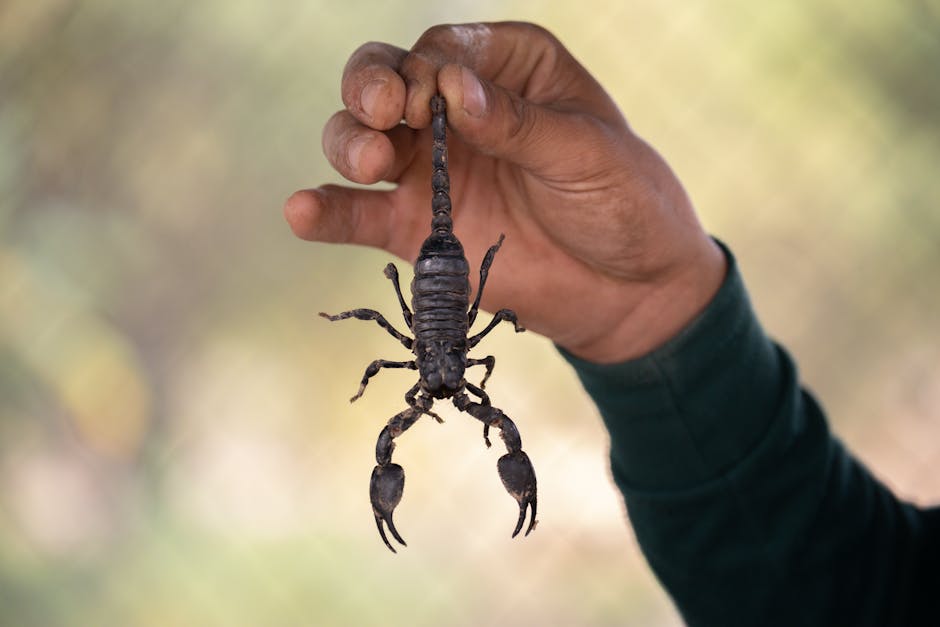
The integration of wildlife into garden design is a practice that enriches local biodiversity and promotes ecological balance. Specifically, creating specialized habitats for arachnids such as scorpions and pseudoscorpions offers considerable benefits, including natural pest control. These often-misunderstood small predators play a crucial role in ecosystems by regulating insect and other invertebrate populations. A garden designed for them not only encourages their presence but also contributes to the overall health of the environment. Selecting appropriate plants is fundamental to establishing a safe and functional refuge, replicating the conditions of their natural habitats and ensuring their survival and proliferation in controlled environments.
The establishment of optimal environmental conditions for the proliferation of scorpions and pseudoscorpions in gardens requires a deep understanding of their microclimatic and edaphic needs. These arachnids thrive in environments that offer refuge from extreme temperatures, predators, and humidity fluctuations. Creating specific microclimates within the garden is crucial, involving the strategic arrangement of elements that generate shaded areas, retain moisture, and provide moderate thermal variations. Priority is given to incorporating varied substrates, such as flat rocks, decaying logs, dense leaf litter, and layers of bark. These elements not only provide physical shelter but also contribute to thermal stability and moisture retention, vital aspects for molting and reproduction. Soil composition, preferably well-draining yet capable of retaining some subterranean moisture, mimics their natural arid or semi-arid habitats found in many regions of Argentina and Latin America. Recent research in conservation arachnology highlights the importance of substrate heterogeneity for scorpion species diversity, a factor to consider in garden design.
Plant Diversity for Garden Shelter and Food Sources
Evaluating plants that offer dense cover, retain moisture, and attract prey is a cornerstone in configuring a biotop for scorpions and pseudoscorpions. Plant species are selected to provide complex structures and conducive microenvironments. Succulent plants, such as aloes (Aloe vera) or succulents from the Sedum and Echeveria genera, are excellent for creating low-lying areas that retain water in their leaves, offering shelter and humidity. Dense ground cover plants, like some native grasses (e.g., Stipa tenuissima) or low-growing shrubs (e.g., Baccharis trimera, native to the Río de la Plata region), provide hiding places and reduce soil evaporation. Shrubs with dense foliage or cracked trunks, such as Espinillo (Acacia caven) or Molle (Schinus molle), offer vertical and horizontal shelter. It is essential to integrate species that, in turn, attract small insects and other invertebrates, which constitute the primary diet of these arachnids. Prioritizing native plant species of the region is recommended, as they are better adapted to the local climate and ecological cycles, minimizing the need for interventions and fostering autochthonous biodiversity. The use of plants with extensive root systems also contributes to substrate stability, preventing erosion and providing natural subterranean chambers.
The implementation of landscaping techniques that replicate natural environments and minimize environmental impact is essential for the long-term success of an arachnid garden. A layered design is recommended, incorporating a low canopy with shrubs, a middle layer of herbaceous plants, and a ground cover of leaf litter and rocks. The arrangement of rocks, preferably flat and safely stacked, creates chambers and thermal refuges. Fallen logs or thick decaying branches not only offer shelter but also serve as a substrate for fungi and insects, enriching the food chain. Water management is critical; drip irrigation or micro-sprinkler systems allow for maintaining substrate moisture without waterlogging, crucial for preventing the proliferation of harmful fungi and for the comfort of arachnids. Xeriscaping, which prioritizes low-water-requirement species, aligns perfectly with this approach, especially in semi-arid climates. The complete elimination of pesticides and herbicides is non-negotiable, as these substances are lethal to arachnids and their prey. Instead, biological control and integrated pest management practices are applied, such as the use of beneficial insects or physical traps. Incorporating permaculture principles, such as zoning and observation, allows for optimizing the interaction between garden elements and wildlife.
Design Strategies for a Sustainable Arachnid Biotop
Observing and monitoring arachnid population dynamics and habitat conditions are fundamental to ensuring the long-term viability of the garden ecosystem. Periodic inspections, preferably at night, are advised to detect the presence of scorpions and pseudoscorpions. Plant health, soil moisture, and the presence of natural prey are key indicators of design success. Adaptation is a continuous process; if low activity or signs of stress in the fauna are observed, factors such as plant cover density, irrigation frequency, or the addition of new shelter elements should be adjusted. Current trends in ecological gardening emphasize ecosystem resilience and self-sufficiency. This involves fostering natural plant succession and organic decomposition, allowing the garden to evolve with minimal human intervention. Research in landscape ecology and the development of species identification apps can assist in monitoring. Encouraging a network of gardeners with similar interests, such as those found on citizen biodiversity platforms, can enrich knowledge and practices. The garden’s sustainability is reinforced by ensuring the long-term health of plants through soil nutrition with organic compost and mulching, which also benefits soil microfauna and arachnids.
Creating a garden that hosts scorpions and pseudoscorpions transcends conventional gardening; it represents a commitment to biodiversity and ecological health. Through careful planning and strategic plant selection, it is possible to establish a vibrant ecosystem that benefits both these fascinating arachnids and the natural balance of your green space. This approach fosters more resilient and enriching gardening, demonstrating that coexistence with wildlife is an achievable and rewarding goal. Investing in this specialized type of gardening not only beautifies the environment but also actively contributes to species conservation and the vitality of local ecosystems, promoting a deeper understanding of the complex web of life that surrounds us.
Related Articles

Rain Gardens: Bioengineering for Sustainable Urban Stormwater Management
Implementing urban rain gardens: hydrological principles, components, plant selection, and ecosystem benefits for climate resilience.
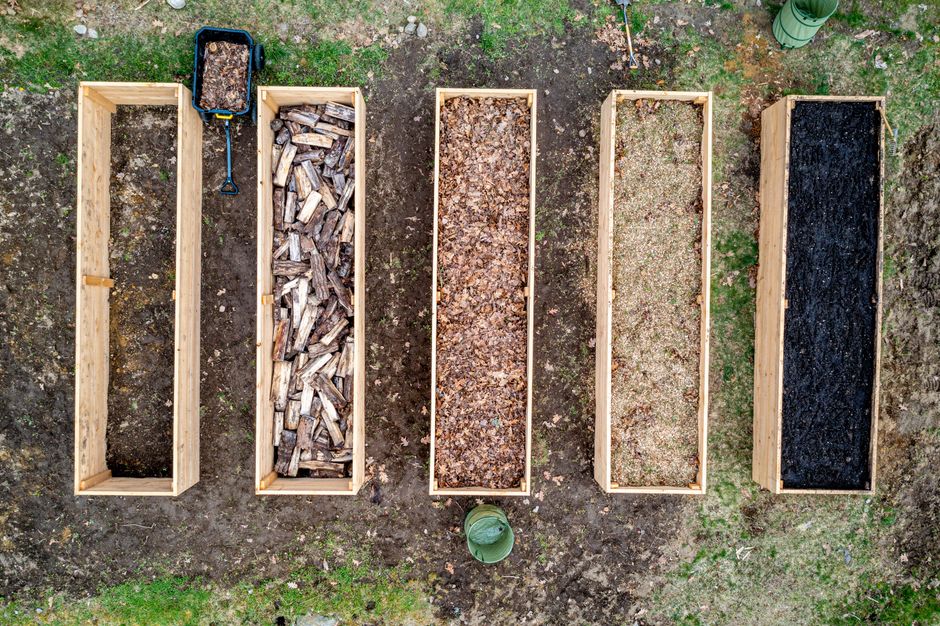
Optimizing Raised Beds for Spring Planting: Soil Evaluation and Morphology
Preparing raised beds with soil analysis, organic amendments, morphological design, and mulching for peak plant health and yield.

Indigenous Flora in Home Gardens: Ecological Benefits and Sustainable Cultivation Practices
Understand the ecological advantages and practical methods for integrating native plant species into your garden, fostering biodiversity and resilience.
Integrated Management of Ceratitis capitata: Biology, Monitoring, and Control in Fruit Cultivation
Integrated pest management strategies for Ceratitis capitata, covering its life cycle, monitoring, and control techniques.