Collective Thermoregulation and Bioengineering in Social Insect Nests
Exploring passive and active mechanisms in social insect nests, architecture, behavior, and biomimicry for sustainability.
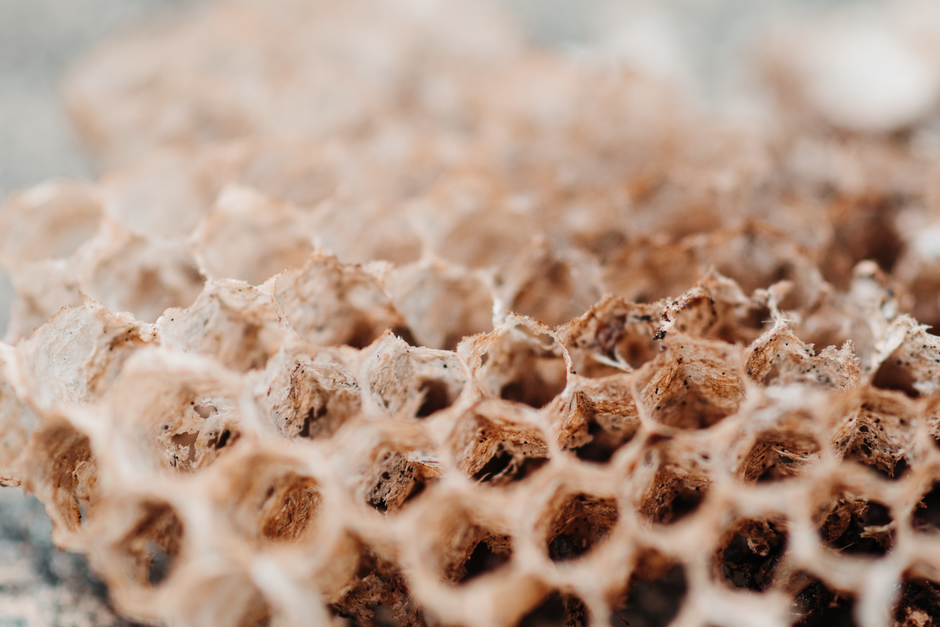
Nest Architecture and Passive Thermal Regulation
The ability of social insects to maintain a stable temperature within their nests is a fascinating phenomenon. These controlled microenvironments are crucial for the development of their young, the survival of the colony, and the efficiency of their metabolic activities. From termites that build imposing mounds to bees that regulate the hive, thermoregulation represents a feat of collective biological engineering. This article explores the intricate mechanisms that allow these colonies to thrive in a wide range of climatic conditions, highlighting the sophistication of their adaptive strategies.
Social insect nests employ a combination of passive and active strategies to manage their internal temperature. Passive mechanisms rely on the physics of nest design and site selection. For instance, the orientation of the nest relative to the sun, the choice of materials with insulating properties, and the depth of underground chambers are determining factors. African termites, for example, construct their mounds with a structural complexity that allows for convective ventilation, regulating airflow and temperature without significant direct energy expenditure by individuals.
On the other hand, active mechanisms involve the direct behavior of colony individuals. Honeybees are a classic example, where workers employ coordinated wing fanning to ventilate the hive when the internal temperature is high, evaporating water and dissipating heat. When it is cold, they cluster densely, generating metabolic heat to maintain the colony’s core at a constant temperature, vital for incubating the brood.
Collective Behaviors for Colony Homeostasis
The physical structure of the nest is, in itself, a marvel of bioengineering. Termites from the genera Macrotermes and Odontotermes build mounds with intricate chimneys and tunnels that act as a passive ventilation system. Hot air rises through the central chimneys, while cooler air descends through the peripheral tunnels, creating a constant flow that ventilates and cools the nest. The composition of the nest material, a mixture of soil, saliva, and feces, also contributes to its insulating capacity and structural integrity.
In the case of ants, many species build underground nests with multiple chambers connected by galleries. These chambers can be at different depths, allowing the colony to move brood to levels where temperature and humidity are optimal throughout the day or according to the seasons. Formica rufa ants, known as red wood ants, build large mounds of pine needles that capture solar heat, while the underground chambers provide thermal stability.
Beyond architecture, the collective behavior of insects is fundamental to thermoregulation. Bees, for example, exhibit a behavior known as “fanning,” where thousands of individuals position themselves at the entrance and within the hive, using their wings to generate air currents. This process not only cools the nest but also helps evaporate excess moisture.
Biophysical Mechanisms of Insulation and Ventilation
In cold environments, bees form a “winter cluster.” Bees in the center of the cluster generate heat through muscle contractions, while those on the periphery act as an insulating layer. This mechanism allows them to maintain a core temperature of approximately 34°C, even when the outside temperature drops below freezing. Some species of ants and termites also regulate humidity within the nest, a factor that directly influences evaporative thermoregulation.
The understanding of thermoregulation principles in social insect nests has inspired significant advancements in the field of bioconstruction and sustainable architectural design. Researchers are exploring how the passive engineering of termite mounds can be applied to human buildings to reduce the need for air conditioning and artificial heating. The Eastgate Centre building in Harare, Zimbabwe, designed by Mick Pearce, is a pioneering example that utilizes a ventilation system inspired by termite mounds, achieving considerable energy savings.
Recent studies also delve into the computational modeling of airflow and heat transfer within nests, revealing the incredible efficiency of these natural systems. Current research focuses on how climate change might affect these insects’ ability to maintain their microclimates, and how their strategies could become even more relevant for ecosystem resilience and technological innovation. Biomimicry, by studying these natural solutions, offers vast potential for the development of intelligent materials and structures that adapt to environmental conditions autonomously.
Architectural Biomimicry: Applications in Sustainable Building
Thermoregulation in social insect nests is a testament to the complexity and efficiency of natural evolution. Through a masterful combination of sophisticated architecture and coordinated collective behaviors, these colonies ensure their survival and prosperity in diverse environments. Continued research in this field not only deepens our understanding of the natural world but also provides valuable lessons for human engineering, sustainability, and adaptation to future environmental challenges. The observation of these tiny engineers invites us to rethink our own solutions for a more harmonious coexistence with the environment.
Related Articles

Dew Harvesting: Mechanisms, Systems, and Applications in Sustainable Agriculture
Dew harvesting strategies using biomimetic and passive surfaces to supplement irrigation and enhance crop resilience.

Antlion Life Cycle: Metamorphosis, Hunting, Ecology
Details the antlion's metamorphosis: larval traps, hidden pupation, and adult reproduction, addressing its ecological role.

Fungal Mutualism and Social Organization in Leaf-Cutter Ants
Ecosystem engineering by leaf-cutter ants: fungal cultivation, caste division, and foraging/defense strategies.