Aguaribay (Schinus areira): Propagation, Cultivation & Value
Details the morphology, optimal conditions, propagation, cultural practices, and applications of Aguaribay, highlighting its gastronomic and ecological value.

Botanical Characterization and Geographic Distribution of Schinus areira
The Aguaribay, scientifically known as Schinus areira, is a tree species native to South America that has gained recognition not only for its ornamental value but also for its fruits, commonly called “pink pepper.” This tree, highly adaptable and resistant, represents a valuable option for sustainable landscaping and ecosystem restoration. Its presence in gardens and urban parks in Argentina and other regions of Latin America is increasingly notable, consolidating it as a key element in the design of resilient and low-maintenance green spaces. Understanding its requirements and cultural management allows for enhancing its development and leveraging its multiple benefits, aligning with current trends of revaluing native flora. This approach contributes to local biodiversity and the creation of more harmonious and sustainable environments.
Schinus areira, a perennial tree with an elegant stature and a wide canopy, is distinguished by its pendulous and aromatic foliage. Its compound leaves, deep green in color, release a characteristic aroma when rubbed. The flowers are small, yellowish-white, grouped in terminal panicles, and give rise to the distinctive pink to reddish spherical fruits, known as “pink pepper” or “aguaribay berry.” These fruits, although not true pepper (Piper nigrum), possess a pungent and aromatic flavor that has popularized them in gastronomy. Its natural distribution covers semi-arid and arid regions of the central and southern Andes, including vast areas of Argentina, Bolivia, Peru, and Chile. In these ecosystems, the Aguaribay plays a vital role in soil stabilization and serves as a refuge and food source for local fauna, demonstrating its importance in the region’s ecological fabric.
Climatic and Soil Requirements and Environmental Tolerance of Aguaribay
The adaptability of Schinus areira to diverse environmental conditions is one of its main virtues. Regarding substrate, Aguaribay is not demanding; it thrives in various soils, from sandy to clayey, as long as they have good drainage. It avoids prolonged waterlogging, which can compromise root health. In terms of sun exposure, it requires full sun for vigorous growth and abundant fruiting. It tolerates drought periods once established, making it an ideal species for low-water-consumption gardens or xeriscaping. Its resistance to low temperatures, including moderate frosts, and to hot summers, expands its cultivation range in different climatic zones of the region. Soil or water salinity also does not pose a significant impediment, demonstrating its robustness and versatility in diverse environments.
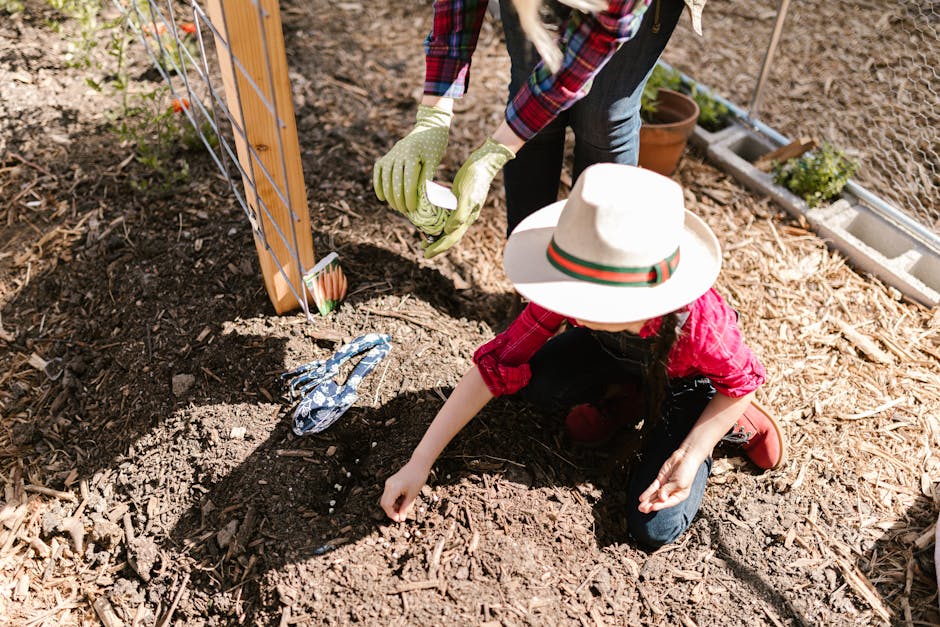
The multiplication of Aguaribay is mainly done by seeds, although it is also possible through cuttings. For sexual propagation, Aguaribay seeds exhibit dormancy that can be overcome by gentle scarification or immersion in warm water for 24 hours before sowing. Germination usually occurs in 20 to 40 days under optimal temperature conditions (20-25°C) and constant humidity. It is recommended to sow in trays or seedbeds with light, well-drained substrate. Once the seedlings reach an adequate size (10-15 cm), they can be transplanted into individual pots for initial development. Final planting in the ground is advised during autumn or spring, avoiding months with intense frosts or extreme heat. At the time of planting, it is crucial to prepare a hole of adequate size, enrich the soil with compost, and ensure abundant initial watering to facilitate rooting. The use of protectors for young plants is recommended in areas with herbivorous fauna, thus ensuring successful establishment.
Propagation Methods and Plantation Establishment
Aguaribay is a low-maintenance tree, but certain cultural practices contribute to its vigor and form. Formative pruning is important in the early years to establish a proper structure, removing low or crossing branches. Subsequently, maintenance pruning is limited to removing dead, damaged, or diseased branches. It is crucial to prune with disinfected tools to prevent pathogen transmission. Regarding irrigation, young plants require regular moisture to establish, but mature specimens are very drought-tolerant and only need supplementary watering during prolonged periods without rainfall. Fertilization is usually not necessary in medium-fertility soils, but an annual application of compost at the base of the trunk can improve soil structure and nutrient availability. Aguaribay exhibits remarkable resistance to most pests and diseases. Occasionally, it may be affected by scale insects or aphids, which can be controlled with organic methods such as soapy solutions or neem oil. Regular observation is key for early detection of any problems, allowing for minimal and effective interventions.
Beyond its ornamental appeal, Schinus areira possesses a diversity of uses that position it as a multifunctional species. Its fruits, the “pink pepper,” are highly valued in gourmet cuisine for their sweet and slightly spicy flavor, ideal for meats, fish, desserts, and beverages. This popularity has driven its cultivation in some regions for spice production. Traditionally, various cultures have used its leaves and resins for medicinal purposes, attributing anti-inflammatory and antiseptic properties to them. In landscaping, its resistance and adaptability make it ideal for xeriscaping projects and native landscapes, contributing to biodiversity conservation and reducing water consumption in urban areas. Current trends in gardening and landscape design emphasize the incorporation of native species to create ecosystems resilient to climate change. Aguaribay aligns perfectly with these principles, offering solutions for reforestation, erosion control, and the creation of habitats for wildlife. Recent research explores its potential in the phytostabilization of degraded soils, reinforcing its relevance in ecological restoration strategies and natural resource management. For more information on native species and their importance, one can consult the native forests section on the Argentine government website: Native Forests of Argentina.
Cultural Management and Pathogen Control in Schinus areira
The Aguaribay (Schinus areira) stands as a tree of extraordinary value, combining aesthetic beauty with remarkable ecological resilience and multiple practical benefits. Its ability to thrive in challenging conditions, its role in biodiversity, and its aromatic fruits make it an outstanding choice for gardeners, landscapers, and growers. By integrating Aguaribay into our spaces, we not only beautify the environment but also contribute to sustainability and the promotion of more robust ecosystems adapted to current environmental challenges. Promoting native species like Aguaribay is fundamental to building more harmonious and functional landscapes, marking a path toward more conscious and responsible gardening and landscaping.
Related Articles

Rain Gardens: Design, Biofiltration & Maintenance for Stormwater
Urban biofiltration structures: design, components (soil, plants, mulch), and maintenance to mitigate runoff and improve water quality.
Living Fences: Ecology, Species, & Sustainable Management
Analyzes the ecological role, species selection criteria, establishment and pruning techniques, and technological integration of living fences for landscaping.

Morphology, Propagation, and Health of Citrus Flowers and Paraguayan Jasmine
Details floral characteristics, climate requirements, propagation methods, phytosanitary management, and ecological roles of citrus and Paraguayan jasmine.

Sustainable Design and Management of Garden Aquatic Ecosystems
Techniques for creating garden ponds that promote local biodiversity, improve microclimate, and ensure ecological self-sufficiency.