Highland Guatemalan Horticulture: Climate, Soils, and Biodiversity in Atitlán
Adapting crops in Atitlán through water management, volcanic soils, permaculture, and technologies for ecological and productive resilience.
Microclimatic Characterization and Volcanic Soil Properties
The region of Lake Atitlán in Guatemala, an area of exceptional biodiversity and varied microclimates, presents a fertile canvas for adapted horticulture. Gardening in this volcanic landscape demands a deep understanding of its geographical and climatic particularities, enabling the development of productive and sustainable cultivation systems that respect the delicate local ecological balance.
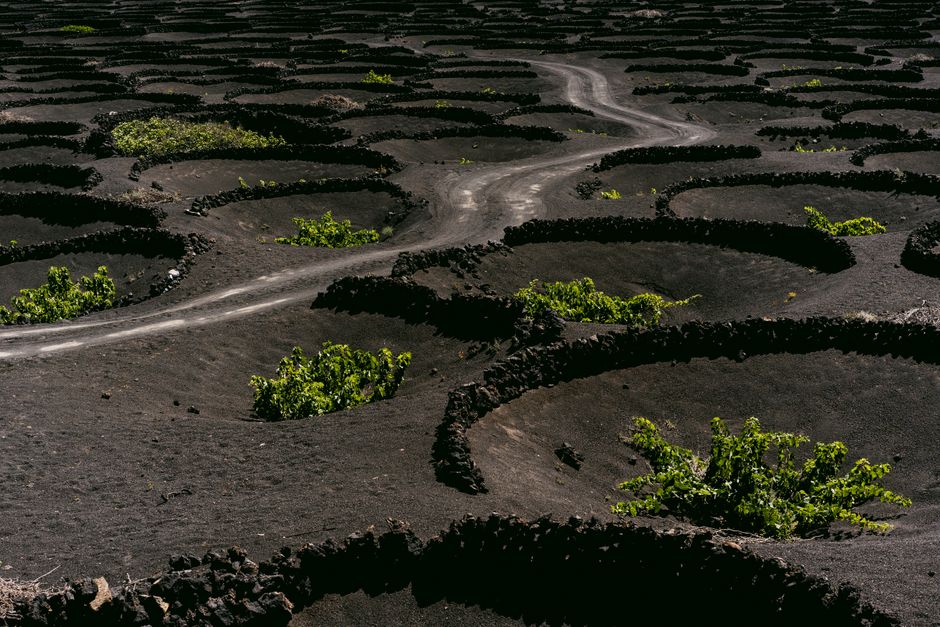
The Guatemalan highlands, where Lake Atitlán is situated, are characterized by a complex interplay of altitude, topography, and precipitation patterns. The presence of volcanoes such as Atitlán, Tolimán, and San Pedro generates distinct microclimates that directly influence the selection of plant species and cultivation techniques. Volcanic soils, rich in minerals, offer a fertile base, but their structure and drainage vary, requiring organic amendments to optimize moisture retention and nutrient availability. The rainy season, from May to October, provides the majority of moisture, while the dry season necessitates efficient water management strategies. The acclimatization of local varieties and the introduction of climate-resilient species are fundamental for horticultural success in this zone, prioritizing resilience and sustainable production.
Implementation of Agroecology and Local Biodiversity
The implementation of permaculture and regenerative agriculture principles is essential for the health of the lake’s ecosystem. Techniques such as mulching with local organic materials and incorporating compost made from plant waste improve soil structure, conserve moisture, and gradually supply nutrients, reducing the need for synthetic fertilizers. Crop rotation, along with planting legumes as green manure, enriches nitrogen fixation and prevents nutrient depletion. Promoting biodiversity in the garden, through the integration of native plants and the creation of habitats for pollinators and beneficial insects, enhances the agroecosystem’s resilience. Recent studies demonstrate that crop diversification in small plots significantly increases productivity and pest resistance, a model applicable to the region’s gardens.
Gardening in Atitlán benefits from the adoption of technological innovations adapted to rural and urban contexts. Drip irrigation systems, for example, maximize water efficiency, which is crucial during periods of drought or when managing limited resources. Vertical farming and raised garden beds offer solutions for optimizing space on small plots or steep slopes, a growing trend in densely populated communities. Soil moisture sensors, although not yet widespread, represent a promising advancement for even more precise water management, minimizing waste. The selection of new seed varieties, developed to resist common pathogens or adapt to climatic fluctuations, complements traditional practices, ensuring more stable and abundant harvests. Disseminating these tools and knowledge through community workshops can empower local farmers.
Adoption of Irrigation and Spatial Cultivation Technologies
Integrated Pest Management (IPM) in Atitlán focuses on ecological methods to protect crops. Identifying and encouraging beneficial insects, such as ladybugs and lacewings, which act as natural predators of pests, is a key strategy. The implementation of chromatic traps or specific pheromones helps monitor and reduce populations of harmful insects without resorting to chemicals. Preparing botanical concoctions based on plants with insecticidal or fungicidal properties, such as neem or chili, offers organic and sustainable alternatives. Choosing companion plants that repel pests or attract their natural predators enhances garden protection. These practices, supported by agroecological research, contribute to maintaining crop health and the integrity of the lake ecosystem, preventing water source contamination and exposure to toxic substances.
Gardening in the Lake Atitlán region is a testament to adaptation and sustainability. By integrating ancestral knowledge with modern practices and innovative approaches, it is possible to cultivate vibrant and productive gardens that not only feed communities but also preserve the natural richness of this Guatemalan landscape. Investment in education and the implementation of environmentally friendly techniques are crucial steps to ensure a prosperous and green future in the heart of the highlands.
Related Articles

Bellis perennis Cultivation: Substrate, Nutrition, Propagation, Health
Addresses substrate requirements, light, propagation methods, watering, nutrition, and phytosanitary management for maximizing daisy bloom and health.

Permaculture for Home Gardens: Design, Soil, Water, and Pest Management
Optimize your garden with ecosystem design, regenerative soil management, water efficiency, and biological pest control. Foster sustainability.
Soil Water Conservation: Mulch & Physical Mechanisms
Examines physical principles of mulching, categorizes organic and inorganic materials, and details application strategies for maximizing water retention.

Earwig Ecology & Biological Pest Control
Promote biodiversity in your garden. Integrate earwigs through plant selection and habitat management for natural pest control.