Contemporary Roman Landscaping: Adapted Structure, Flora, and Water Resources
Reinterpreting Roman garden design: applying geometry, resilient plant selection, and efficient water management for modern spaces.

Architectural Foundations and Stone Materials
The configuration of a garden transcends the mere arrangement of plants; it represents an extension of the home and a reflection of aesthetic principles. Roman-style gardens, with their emphasis on symmetry, order, and the integration of nature with architecture, offer a timeless model for contemporary landscaping. These spaces, conceived as havens of serenity and contemplation, continue to inspire designers and enthusiasts in creating outdoor environments with a profound sense of harmony and history.
The design of a Roman-inspired garden is founded on a rigorous geometric structure. Planning involves clear visual axes, well-defined pathways, and the use of regular shapes such as circles, squares, and rectangles to organize parterres and transit areas. The symmetrical arrangement of elements, like statues or fountains, along a central axis, generates a sense of balance and grandeur. This architectural approach to landscaping establishes a robust framework upon which vegetation is integrated in an orderly fashion.
The choice of materials for hardscaping is crucial. Stone elements such as natural stone, marble, or travertine, used in paving, low walls, and columns, impart durability and an authentic character. In the current context, selecting sustainable and locally sourced materials, like flagstone or paving stones from regional quarries, allows for the replication of this aesthetic while minimizing environmental impact. The incorporation of wooden or wrought-iron pergolas, which offer shade and define spaces, also aligns with Roman functionality and style, adapting to the climatic conditions of various regions, including those in the Río de la Plata basin.
Plant Selection and Sculptural Pruning Techniques
The flora in a Roman garden is characterized by its resilience and its capacity for shaping. Mediterranean species such as Buxus sempervirens (boxwood), Cupressus sempervirens (cypress), Laurus nobilis (laurel), and Rosmarinus officinalis (rosemary) are fundamental. These plants allow for the practice of topiary, creating sculptural forms that reinforce the garden’s geometric structure. Dense, well-pruned hedges delineate spaces and direct the gaze, while fruit trees, such as fig and citrus, are often trained espaliered, combining productivity with aesthetics.
Currently, adapting this plant selection involves considering sustainability and climate resilience. The integration of native species from Argentina or regions with Mediterranean-like climates, which offer analogous aesthetic characteristics and require less water consumption, is a growing trend. For example, some varieties of lavender (Lavandula angustifolia) or agapanthus (Agapanthus africanus) can provide color and texture with lower water demands. Promoting biodiversity by including plants that attract pollinators and implementing permaculture principles in small integrated vegetable gardens complements the Roman vision of a self-sufficient and harmonious garden.
The presence of water is a pillar in Roman garden design, providing freshness, sound, and a visual focal point. Ornamental fountains (fontes), reflecting pools (piscinae), and nymphaea, often decorated with mosaics and sculptures, were essential elements that provided an atmosphere of calm and luxury. The constant murmur of water contributed to the garden’s contemplative ambiance.
Water Management and Ornamental Aquatic Elements
Today, the integration of aquatic elements is carried out with a strong focus on water efficiency. Closed recirculation systems for fountains and waterfalls minimize water consumption. Rainwater harvesting for irrigation, managed through underground tank systems, represents a sustainable practice that honors Roman hydraulic functionality. Furthermore, the creation of small ponds with aquatic plants and fish contributes to local biodiversity, offering a habitat for beneficial fauna. Modern technology, such as smart irrigation systems and moisture sensors, allows for precise water management, optimizing its use in all areas of the garden.
Beyond vegetation and water, Roman gardens were enriched with a variety of ornamental and functional components. Classical statues, busts, terracotta amphorae, stone benches, and sundials not only decorated but also invited rest and reflection. Mosaics, often embedded in pavements or fountain walls, added an artistic touch and color, reflecting the cultural sophistication of the era.
The reinterpretation of these elements in contemporary landscaping can involve the use of replicas of classical art or the integration of modern sculptures that engage with Roman aesthetics. The choice of garden furniture, such as wrought-iron or wooden benches with clean designs, maintains functionality and style. A relevant trend is the incorporation of low-consumption LED lighting, which highlights architecture and vegetation during nighttime hours, creating magical and safe environments. The use of recycled or upcycled materials to create amphorae and planters, often with designs inspired by antiquity, aligns with sustainable practices and adds a personal, conscious touch to the design.
Integration of Decorative and Functional Components
The conception of a Roman-style garden, with its emphasis on structure, pruned vegetation, and the presence of water, offers a valuable aesthetic and functional framework. Adapting these classical principles to the climatic and cultural conditions of the region, along with incorporating innovations in sustainability and technology, allows for the creation of outdoor spaces that are not only beautiful and orderly but also environmentally respectful and relevant to current lifestyles. The enduring beauty of these gardens demonstrates that order and nature can coexist in perfect harmony, providing a sanctuary of peace in any home.
Related Articles
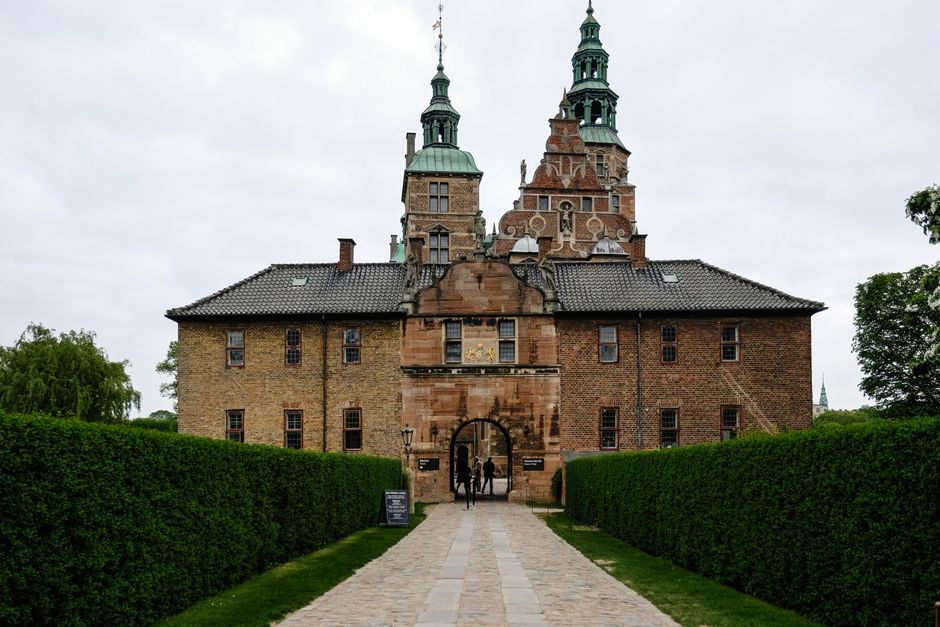
Renaissance Garden Design: Classic Principles and Contemporary Sustainable Adaptation
Recreate Renaissance formality with geometry, symmetry, and adapted botanical selection, integrating sustainability and technology in modern spaces.

Sustainable Landscape Design: Principles for Minimizing Garden Maintenance
Master key principles and practical strategies for designing a beautiful, resilient garden that requires significantly less ongoing care and resource input.

Art Deco Landscaping: Geometry, Botany, Sustainability
Art Deco design principles applied to landscaping: geometry, symmetry, materials, architectural flora, and efficient water management.

Tuscan Garden Design & Botany: Structure, Sustainability, and Water Integration
Structural and botanical foundations of Tuscan landscaping, optimizing species selection and water management for resilience.