Bromeliad & Tillandsia Care: Environment, Watering, Propagation
Covers light, temperature, and air requirements; substrates, anchoring, watering, nutrition for bromeliads and tillandsias, and propagation methods.
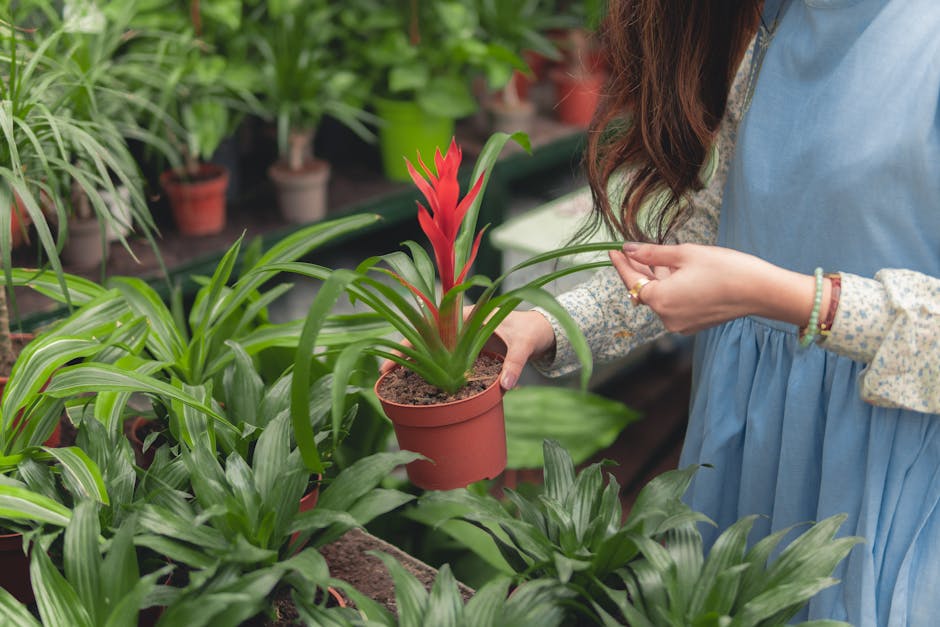
Light and Temperature Requirements for Epiphytic Bromeliads
The interest in bromeliads and tillandsias has grown exponentially among gardening enthusiasts and professionals. These plants, known for their unique beauty and remarkable adaptability, offer a diversity of forms and colors that enrich any green space, from urban balconies in Buenos Aires to specialized greenhouses. Their epiphytic nature, in many cases, distinguishes them from other species, requiring a particular approach to their care. This article delves into the essential methodologies for their successful cultivation, addressing everything from environmental requirements to the most effective propagation techniques, integrating sustainable practices and the latest innovations in the sector.
The prosperity of bromeliads and tillandsias fundamentally depends on recreating conditions close to their natural habitats. Lighting is a critical factor; most of these species prefer bright, indirect light. Direct exposure to strong sun, especially during the midday hours, can cause leaf scorch. In regions like Argentina’s Litoral, where temperatures can be high, sun protection during summer is indispensable.
The ideal temperature ranges between 18°C and 28°C (64°F and 82°F). While many tillandsias tolerate wider ranges, frost is generally detrimental. Air circulation is as vital as light, preventing the buildup of excessive moisture that leads to fungal problems. A well-ventilated environment is key to replicating the breezes found in their native surroundings.
The choice of substrate or anchoring method defines the health of these plants. Terrestrial bromeliads require mixes with excellent drainage, such as a combination of peat, pine bark, and perlite. For epiphytes, the substrate is more of a support than a nutrient source. Pieces of wood, cork, or coconut fiber are used to allow roots to anchor and water to drain quickly.
Tillandsias, known as “air plants,” require no substrate, obtaining nutrients and moisture directly from the air. They are anchored onto inert supports like rocks, driftwood, or hanging structures, avoiding materials that retain excessive moisture or decompose quickly. In urban vertical gardening, innovations in modular panels facilitate the installation and maintenance of tillandsia collections, optimizing space and aesthetics.
Substrate Design for Optimal Anchoring and Drainage
The watering strategy for bromeliads varies by type. Those that form a central rosette, such as Neoregelia or Guzmania, store water in this “tank.” It is essential to keep this tank filled with clean water, preferably rainwater or demineralized water, and to renew it every few weeks to prevent the proliferation of algae and mosquito larvae. The substrate for these bromeliads should dry out between waterings to prevent root rot.
For bromeliads that do not form a tank, watering is applied directly to the substrate when it feels dry to the touch. Fertilization should be done moderately. Highly diluted liquid fertilizers (1/4 or 1/8 of the usual dose) applied foliarly or into the tank are recommended, especially during the growing season. Excess nutrients can damage leaves and roots.
Bromeliad multiplication is primarily achieved through the separation of their “pups” or offsets. These basal shoots emerge from the base of the mother plant after it has flowered. The optimal time for separation is when the pups reach at least one-third the size of the mother plant and have developed their own roots.
Using a disinfected cutting tool, a clean cut is made near the base of the mother plant. The pups are then planted in a suitable substrate or anchored according to the species. This technique ensures genetic continuity and allows for collection expansion. Recent advances in horticulture have refined the use of rooting hormones to improve the success rate in propagating more delicate varieties.
Tillandsias obtain all their moisture from the air, through specialized trichomes. Hydration is carried out using two main methods: misting and soaking. Daily or every-other-day misting with demineralized or rainwater is effective in humid environments. However, in drier climates, such as some central regions of Argentina, weekly soaking is crucial.
Hydration and Foliar Nutrition Protocols
For soaking, tillandsias are fully submerged in water for 20-60 minutes, depending on the species and level of dehydration. After soaking, it is imperative to shake off excess water and allow the plant to dry completely in a well-ventilated area within 2-4 hours. Water retention at the base or between leaves can lead to rot.
The anchoring of tillandsias is both an aesthetic and functional component of their cultivation. They can be attached to driftwood, dry branches, rocks, seashells, or wire structures using non-toxic plant adhesives, fine wire, or fishing line. The key is to ensure good air circulation around the plant.
Regarding light exposure, most tillandsias thrive in bright, indirect light. Species with more silvery leaves (higher trichome count) generally tolerate higher light intensity and even some direct morning or late afternoon sun, such as Tillandsia xerographica. Species with greener leaves prefer partial shade. Strategic placement indoors, near east or west-facing windows, or outdoors under the protection of a tree, is fundamental.
Regular observation is the first line of defense against pests and diseases in bromeliads and tillandsias. Mealybugs and aphids are the most common pests. Their presence manifests as small white or brown spots attached to the leaves. Early treatment with diluted isopropyl alcohol or potassium soap is effective. For larger infestations, specific organic insecticides can be used.
Basal or tank rot is a fungal problem resulting from excess moisture and lack of air circulation. It is prevented by ensuring adequate drainage, renewing the water in bromeliad tanks, and allowing tillandsias to dry completely after watering. Monitoring the plant’s overall health allows for timely intervention, minimizing damage.
Propagation Techniques via Pups and Offsets
Adaptation to climatic variations presents a challenge for growers in regions with distinct seasons. During cold winters, frost protection is vital; moving plants indoors or using thermal covers are common practices. In hot summers, additional shade and increased ambient humidity through misting or the use of humidifiers can mitigate thermal stress.
Current research in horticulture focuses on developing bromeliad and tillandsia varieties with greater tolerance to extreme conditions, as well as intelligent cultivation systems that automatically adjust environmental parameters like humidity and ventilation, optimizing the growth and resilience of these fascinating plants.
The cultivation of bromeliads and tillandsias offers a rewarding experience, transforming any space into an oasis of greenery and exoticism. Understanding their specific needs for light, humidity, and anchoring, along with proper water and nutrient management, are pillars for their optimal development. Applying propagation techniques and constant monitoring for pest prevention ensure the vitality of these species. By adopting informed and sustainable cultivation practices, gardeners can fully enjoy the beauty and uniqueness of these botanical jewels, while also contributing to urban biodiversity.
Related Articles

Zantedeschia Management: Substrate, Irrigation, Nutrition, Phytoprotection
Optimizing Calla Lily cultivation: substrate, light, irrigation, nutrition, propagation, and phytosanitary control with sustainable and biotechnological approaches.

Plant Propagation by Cuttings: Effective Techniques for Gardeners
Master the ancient art of propagation by cuttings. Learn types, selection, and care to expand your plant collection.

Butia capitata: Morphology, Propagation, Management, and Landscape Applications
Study on the Yatay palm: morphology, propagation requirements, nutrition, irrigation, health, and integration into sustainable landscaping and conservation.

Container Urban Farming: Species Selection, Substrates, and Water Management
Enhance your container garden with the right species, balanced substrates, and efficient water management for maximum yield.