Selection, Establishment, and Management of Sustainable Hedges and Living Fences
Evaluate edaphoclimatic, functional, and morphological factors to optimize the selection and implementation of resilient and biodiverse plant barriers.

Edaphoclimatic Analysis and Species Selection for Hedges
Living fences and hedges not only delineate spaces but also enrich biodiversity, offer refuge to local fauna, and enhance the aesthetics of any environment. Their correct selection is crucial to ensure optimal development and long-term functionality, transforming a simple boundary into a vital landscape element. This analysis explores the fundamental principles and recent innovations in species selection, guaranteeing the creation of robust and sustainable plant barriers that integrate harmoniously with the surrounding ecosystem.
The viability of a living fence is intrinsically dependent on a detailed site assessment. Soil composition, solar exposure, and the water regime are determinants for the survival and vigor of plants. In regions like Argentina’s Humid Pampa, for example, soils can be rich but require adequate drainage for certain species.
Analysis of Edaphoclimatic Conditions
Soil quality, including its pH, texture, and nutrient content, directly influences selection. A recent study published by INTA (National Institute of Agricultural Technology) [https://www.inta.gob.ar/documentos/el-suelo-y-su-manejo] highlights the importance of adapting species to local edaphic conditions to minimize the need for amendments. Solar exposure (full sun, partial shade, or shade) and tolerance to wind or frost are also primary considerations. Newly developed varieties, many with increased resistance to extreme climatic conditions, offer innovative solutions for areas with thermal fluctuations or prolonged droughts, a growing challenge in the context of climate change.
Determination of Functionality and Composition of Living Fences
The purpose of the living fence shapes plant selection. A privacy hedge requires species with dense foliage and rapid growth, such as Ligustrum lucidum (though it’s important to consider its invasive potential in some ecosystems), or native alternatives like Dodonaea viscosa. For wind protection, shrubs with a robust structure and compact branching are prioritized. Ornamental hedges, on the other hand, can incorporate species with attractive flowering or varied foliage, such as Crinum americanum or Cestrum nocturnum. The current trend leans towards using species that, besides fulfilling their primary function, contribute to local biodiversity by attracting pollinators and birds.
Botanical diversity offers a wide range of options, each with specific attributes making them suitable for different types of living fences. Prioritizing native or naturalized species that demonstrate good performance in the local ecosystem is a sustainable and efficient practice.
Selection of Native and Adapted Taxa
In the Southern Cone, species like Myrsine laetevirens (Maitén), Schinus molle (Pepper Tree) in its young shrub form, or Aloysia citrodora (Lemon Verbena) for low, aromatic hedges, present excellent alternatives. Duranta erecta (Duranta), while not native, is widely naturalized and commonly used for its rapid growth and resilience, although it requires regular pruning. For more robust defenses, Pyracantha coccinea (Firethorn) offers an impenetrable barrier with the appeal of its berries. Research in genetic improvement is generating cultivars of native species with enhanced characteristics, such as greater foliage density or resistance to region-specific pathogens.
Morphological and Phenological Considerations
Establishment Protocols and Planting Techniques
Growth habit, foliage density, development speed, and the presence of thorns are key morphological aspects. Phenology, which includes flowering and fruiting cycles, adds aesthetic and ecological value. Mixed hedges, combining several species with different characteristics, offer greater resistance to pests and diseases, as well as prolonged visual interest throughout the year. This approach fosters ecosystem resilience and reduces reliance on chemical treatments.
Correct implementation and adequate maintenance are essential for the longevity and health of the living fence. Modern practices incorporate technologies and approaches that optimize resource use and promote sustainability.
Planting Techniques and Density
Spacing between plants is critical to achieve the desired density. Generally, a distance of 50 to 80 cm between shrubs is recommended to form a dense hedge, although this varies depending on the species and its adult size. Site preparation, including improving soil structure with organic compost, is a fundamental practice. The incorporation of drip irrigation systems [https://www.fao.org/land-water/overview/irrigation/drip-irrigation/es/] has proven highly efficient, reducing water consumption by up to 70% compared to traditional methods and ensuring a constant water supply directly to the root zone.
Phytopathological Management and Sustainable Maintenance of Plant Barriers
Regular pruning is vital to maintain the shape and density of the hedge, as well as to stimulate new foliage growth. Pruning frequency and type vary by species; for example, Ligustrum tolerates drastic pruning, while other species prefer lighter trimming. Integrated pest management, through the use of natural enemies (biological control) and crop rotation, is preferable to chemical pesticides. Applying organic mulch at the base of hedges helps conserve soil moisture, suppress weeds, and gradually provide nutrients—a practice aligned with permaculture principles. Smart monitoring systems, using soil moisture and temperature sensors, allow for data-driven irrigation and fertilization management, optimizing resources and minimizing environmental impact.
Creating functional and aesthetically pleasing hedges and living fences transcends mere space demarcation. It requires a deep understanding of the interactions between plants and their environment, as well as the application of innovative design and maintenance techniques. By selecting suitable species, prioritizing native and adapted ones, and implementing sustainable practices, we build plant barriers that not only fulfill their purpose but also enrich biodiversity, contribute to ecological resilience, and offer incalculable landscape value. Investing in careful planning and conscious management results in living fences that endure, evolve, and thrive, reflecting a commitment to responsible gardening and respect for the environment.
Related Articles
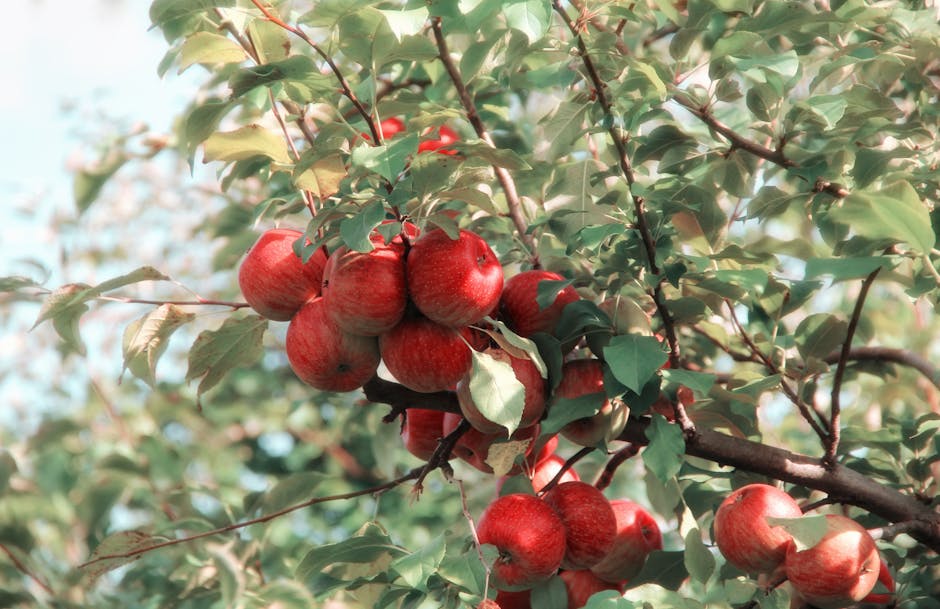
Fruit Trees at Home: Essential Practices for Abundant and Healthy Harvests
Improve the health and productivity of your fruit trees with sustainable selection, pruning, nutrition, and irrigation techniques.

Cottage Garden Design: Floral, Structure & Sustainability
Integrating textures, heights, and plant species for a lush cottage garden, prioritizing biodiversity, sustainable materials, and natural harmony.

Sclerotinia in Lettuce: Biology, Prevention & Control
Cultural, biological, and chemical strategies to mitigate Sclerotinia in lettuce, optimizing horticultural production in Latin America.
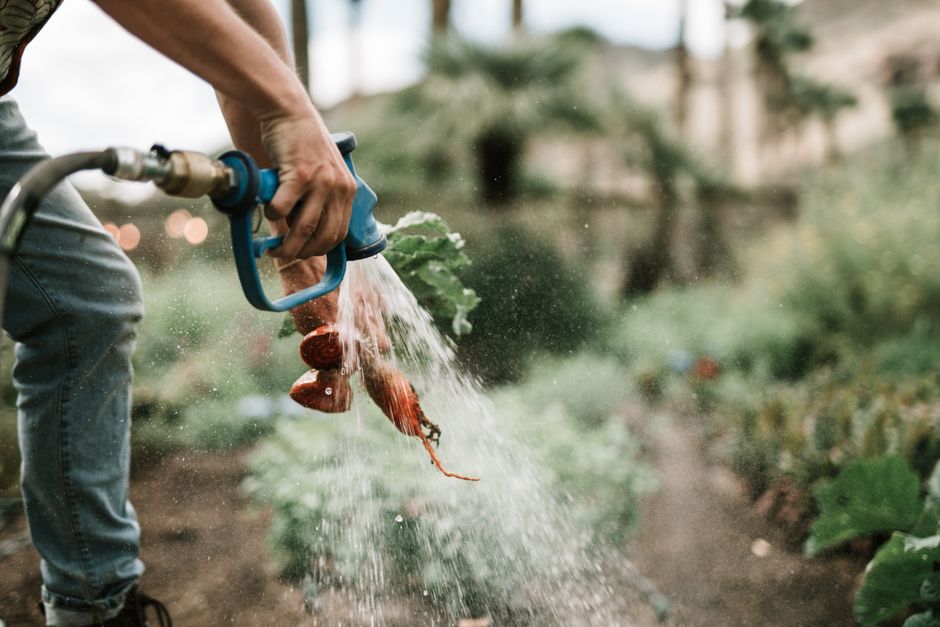
Maximize Harvests, Minimize Water: Drip Irrigation Setup for Every Gardener
Understand the transformative power of drip irrigation to conserve water, boost plant health, and simplify your gardening. Learn its benefits and how to install it for a vibrant garden.